



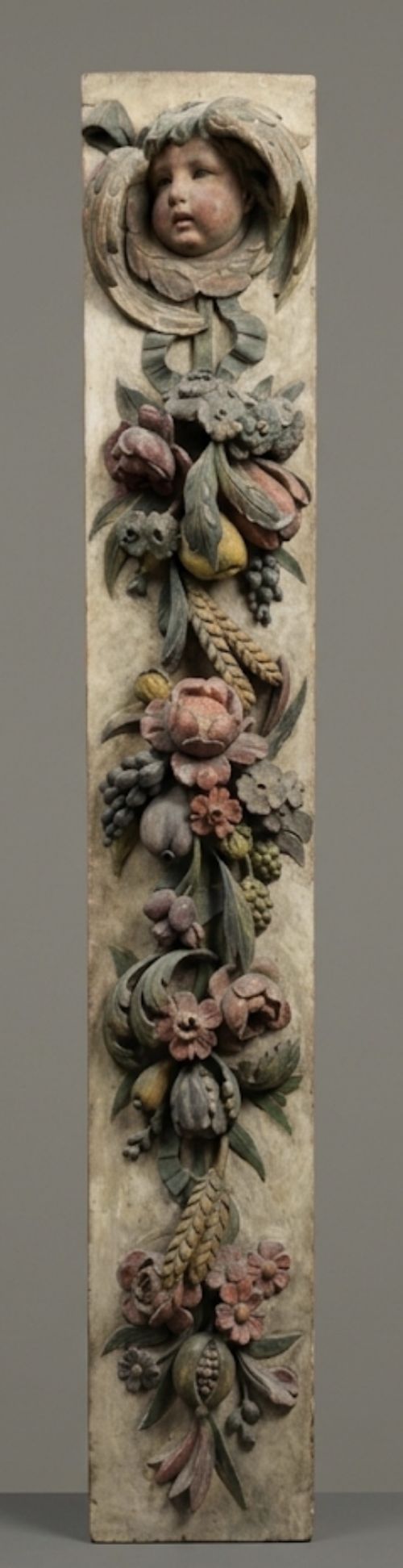

Italian Wood Sculpture
An italian wood sculpture brings centuries of Mediterranean devotion, theatre and craft directly into a room.
Italian Wood Sculpture
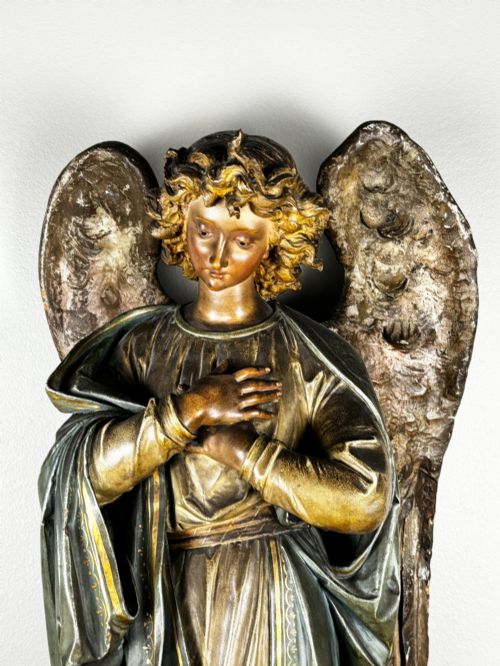
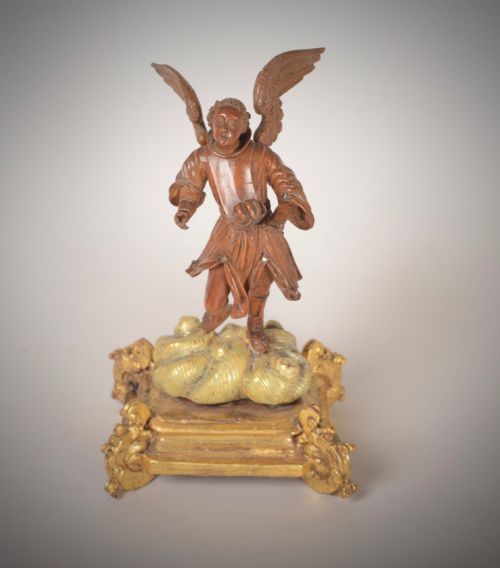
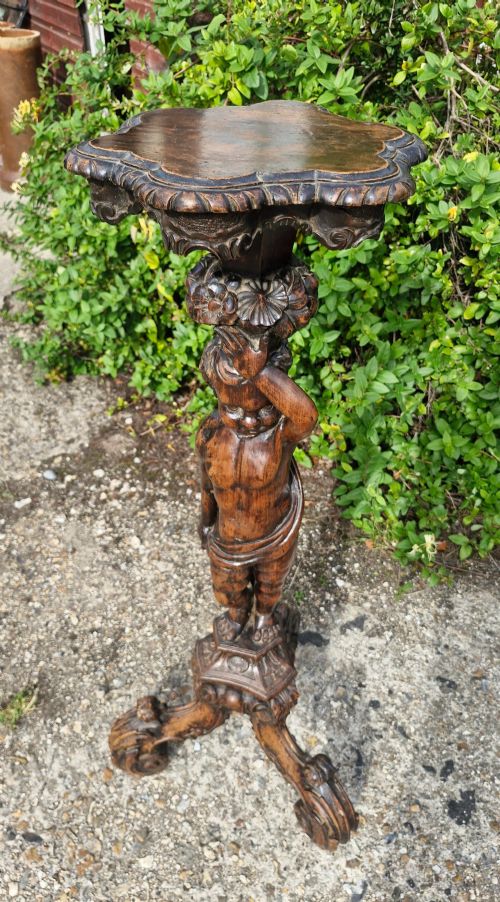
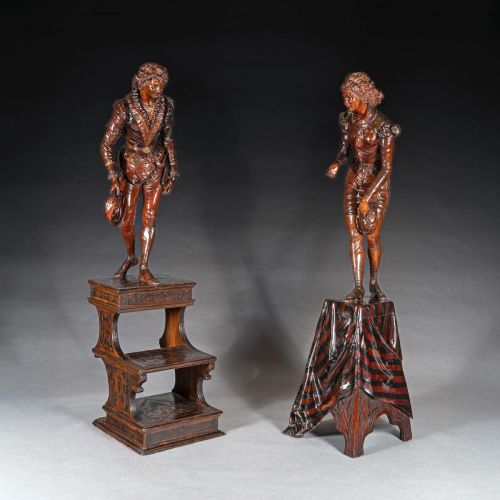
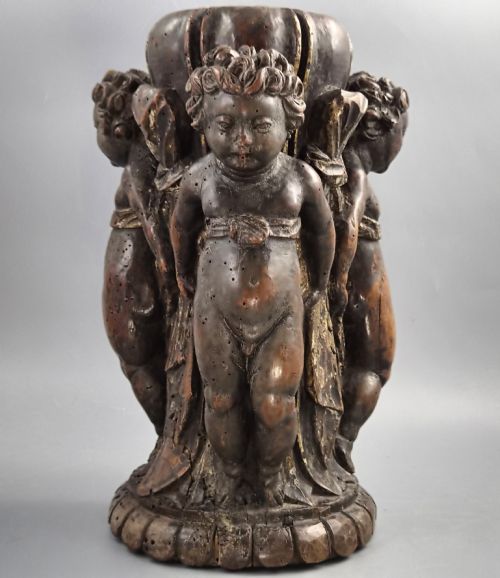
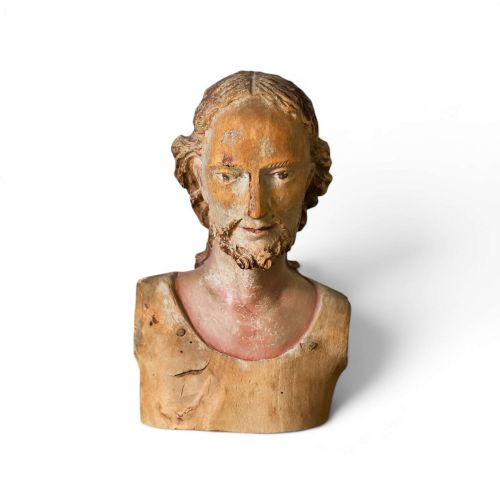
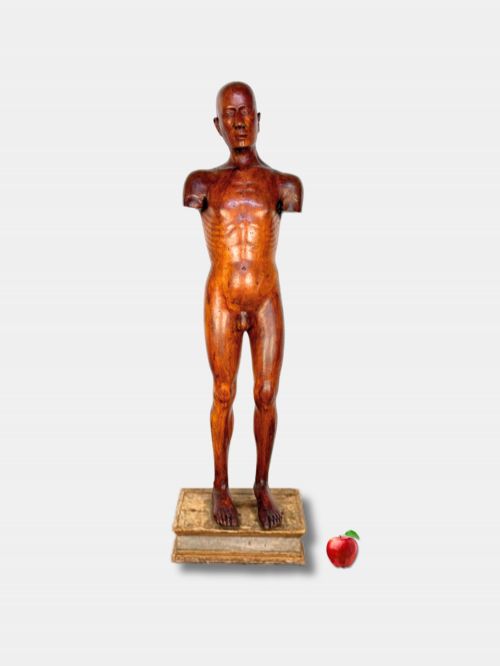
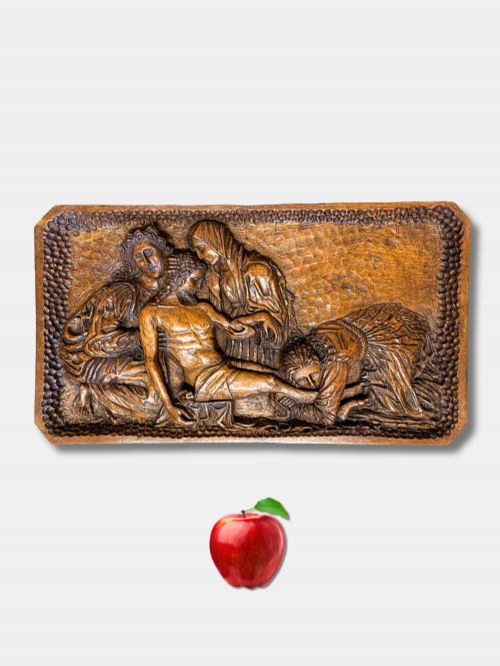
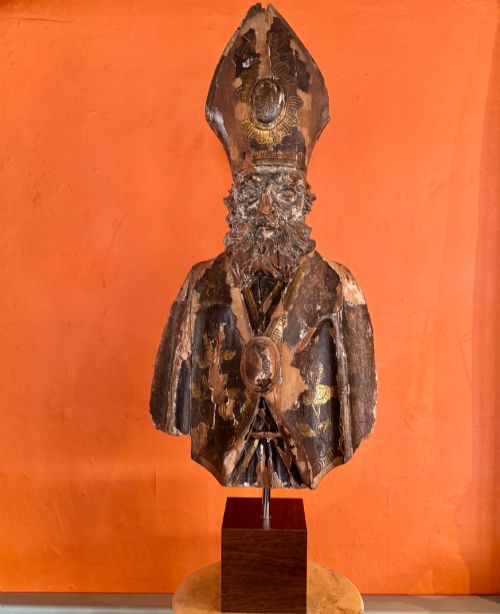
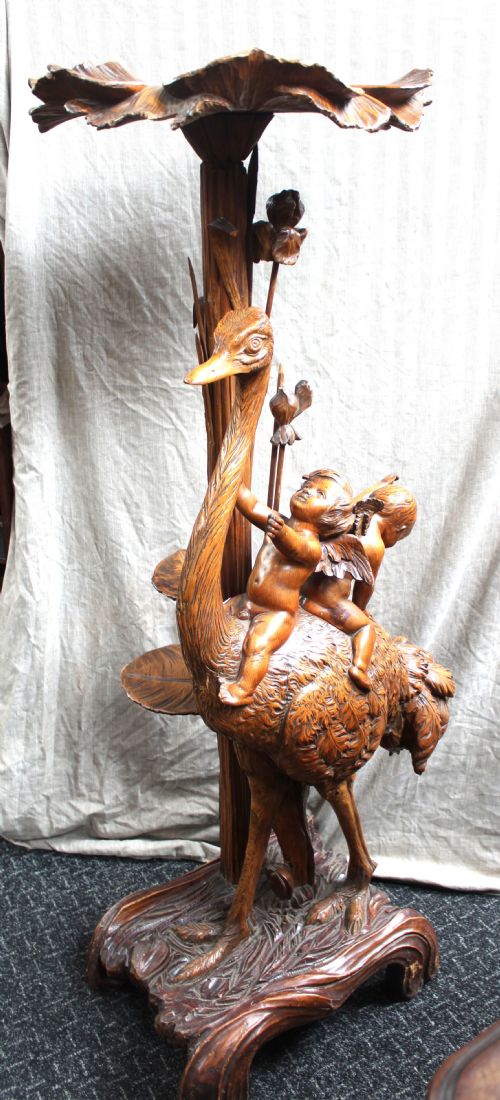
An italian wood sculpture encompasses carved figures, panels, and stands originating from workshops across the peninsula. When exploring this selection, a buyer encounters everything from devotional icons and saints to decorative putti and architectural pedestals.
The majority of pieces date from the seventeenth, eighteenth, and nineteenth centuries, reflecting distinct stylistic shifts from Baroque exuberance to Neoclassical restraint. Works range from small tabletop reliquaries and busts to life-size processional figures.
Regional variations emerge clearly across the grouping, with Venetian and Sicilian pieces displaying particular character in their handling of form and surface. These objects served both sacred and secular roles in Italian interiors over hundreds of years.
How they were made
Carvers utilised local timbers such as walnut, olive wood, chestnut, and lime wood, selecting each for its grain and workability. Artisans then shaped the timber using traditional gouges and chisels to build complex three-dimensional forms.
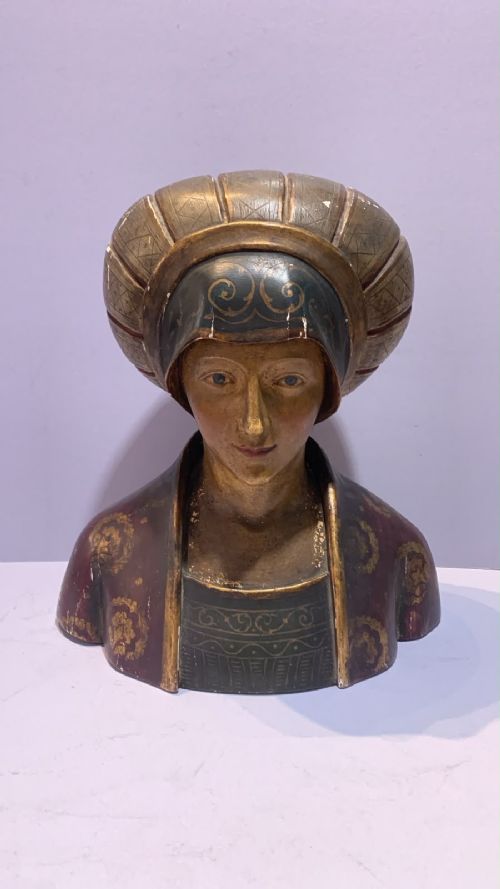
Many surfaces received a preparation of gesso before painters applied polychrome pigments, gold leaf, or silver leaf to enhance the visual drama. This layered approach allowed makers to achieve rich surface textures and enduring colour.
Italian Wood Sculpture Retail Price Guide 2026
Typical asking prices for italian wood sculpture among the pieces listed under this phrase on Sellingantiques today, from the lower quarter to the upper quarter. They describe what is for sale here now, not the wider market.
A sixteenth-century saint stands nearby, still quietly judging your television habits.
What varies in quality
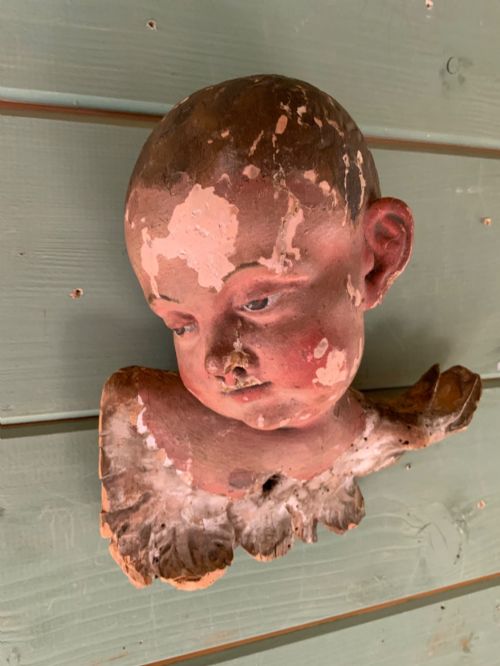
The preservation of original surface treatments, including polychrome paint and gilding, heavily influences the integrity of a piece. Later overpainting or heavy restoration alters the original visual harmony intended by the carver.
Valentino Besarel
The Italian Wood Sculpture Glossary
- Polychrome
- Painted in several colours. This term describes wooden sculptures and panels decorated with varied pigments.
- Giltwood
- Wood carved and then covered with thin sheets of gold leaf. It provides a brilliant metallic finish common in Baroque furnishings.
- Putto
- A representation of a plump, naked male child, often winged. These figures appear frequently in religious and decorative Italian carvings.
- Torchiere
- A tall stand or pedestal designed to support a light or candle. Many examples take sculptural form.
- Gesso
- A plaster mixture applied to wood as a smooth base for painting or gilding. It seals the timber surface.
Italian Wood Sculpture: Frequently Asked Questions
What is an italian wood sculpture?
An italian wood sculpture is a three-dimensional carved artwork originating from Italy, typically created from timbers such as walnut, olive, or lime wood.
These pieces range from religious figures and saints to decorative putti, architectural stands, and panels spanning several centuries of craftsmanship.
Where were these sculptures placed?
Many of these sculptures originated in churches, chapels, and ecclesiastical settings as devotional objects, altarpieces, or processional figures.
Others functioned in grand domestic interiors as decorative torchieres, wall reliefs, or freestanding ornaments on pedestals.
How do I care for antique wood?
Antique wooden sculpture requires stable environmental conditions away from direct sunlight, excessive heat, and sudden humidity fluctuations.
Dusting should be done gently with a dry, soft brush to protect delicate gesso and polychrome surfaces from abrasion.
How are different periods identified?
Periods are identified through a combination of stylistic cues, such as the dramatic movement of Baroque work or the clean lines of Neoclassical design.
Material choice, tool marks, and the ageing characteristics of the underlying wood and gesso also help determine age.