





Italian Wood Commode
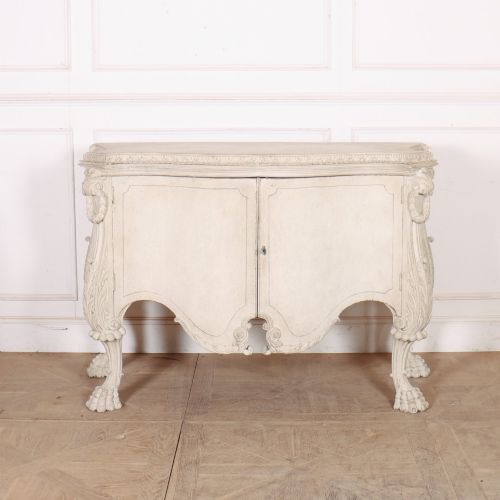
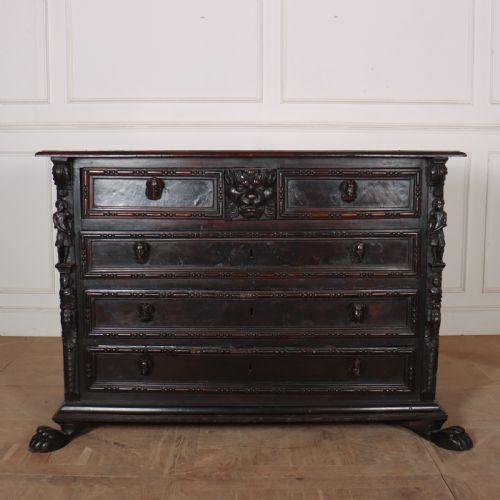
An Italian wood commode brings gravitas and effortless style to a room, offering substantial storage through serpentine outlines and ornate painted scenes.
Italian Wood Commode
When you search for an italian wood commode, you encounter a diverse selection of storage furniture ranging from grand eighteenth-century walnut chests to later painted interpretations with Venetian scenes. These pieces function primarily as statement chests of drawers, side cabinets, and sideboards that anchor a room with distinct regional character.
The most common versions met on this page span the eighteenth and nineteenth centuries, often featuring bombe or serpentine shapes. Walnut, painted wood, and marble are the dominant materials that define their aesthetic presence.
Materials and construction methods
Makers utilised solid timbers such as walnut, olive-wood, and fruit-wood, frequently applying intricate marquetry and inlay work to surfaces. Marble tops provide a durable and luxurious finish that contrasts against the warm tones of the underlying wood.
Painted finishes play a significant role, with artists applying detailed decoration directly onto the wood or gesso grounds. Giltwood accents and brass hardware complete the construction, highlighting the decorative ambitions of the workshops.
Italian Wood Commode Retail Price Guide 2026
Typical asking prices for italian wood commode among the pieces listed under this phrase on Sellingantiques today, from the lower quarter to the upper quarter. They describe what is for sale here now, not the wider market.
Secret drawers occasionally hide behind elaborate mouldings, ready to confound anyone unfamiliar with the carpenter's clever tricks.
Distinguishing quality across pieces
The standard of carving and the precision of the serpentine or bombe contours separate finer examples from simpler provincial work. Fluidity in the wood grain and the finesse of hand-painted Venetian scenes indicate superior craftsmanship.
Originality of surface finish and the integrity of the marble top significantly influence the standing of a piece. Period brass mounts that fit harmoniously without replacement parts elevate the overall coherence of the furniture.
The Italian Wood Commode Glossary
- Bombe
- A swelling, outward-curved contour characteristic of advanced case furniture. This profile requires skilled carpentry to shape the timber accurately.
- Serpentine
- A front line curving outward in the centre and inward at the sides. It creates a fluid movement across the face of the chest.
- Marquetry
- The art of applying small pieces of veneer to a structure to form decorative patterns. Craftsmen use contrasting woods to achieve pictorial depth.
- Giltwood
- Wood that has been treated with gold leaf or a gold-coloured finish. This technique adds reflective highlights to carved details.
Italian Wood Commode: Frequently Asked Questions
How do I date an older commode?
Examine the construction methods, timber choices, and hardware for consistency with known historical periods. Subtle shifts in silhouette, from rigid neoclassical lines to swelling baroque curves, offer further chronological clues.
Compare the secondary woods inside the drawers with regional manufacturing standards of the suspected era. Patina built up over generations also aids in establishing age.
Where should I place a commode?
These substantial chests suit entrance halls, drawing rooms, or dining spaces where their decorative fronts can command attention. Ensure adequate clearance around serpentine or bombe shapes so the profile remains visible.
Keep them away from direct heat sources and strong sunlight to protect delicate painted surfaces and timber veneers. A stable indoor climate preserves the structural integrity of the wood.
How do I care for marble tops?
Clean the stone surface with a soft cloth dampened in warm water and mild, pH-neutral soap. Avoid acidic cleaners or vinegar, which etch the polished finish.
Promptly wipe away spills to prevent staining, particularly on porous varieties. Periodic sealing helps protect the marble from everyday wear.
What defines the Venetian style?
Venetian pieces frequently showcase elaborate painted decorations, often depicting pastoral landscapes or architectural scenes. The palette tends to be bright and decorative, reflecting the theatrical tastes of the region.
Carved details and gilt accents complement the painted surfaces to create a theatrical effect. These elements distinguish Venetian work from simpler provincial furniture.