



Italian Glass Pendant Light
An italian glass pendant light brings decorative warmth and illumination to a room through traditional craftsmanship.
Italian Glass Pendant Light
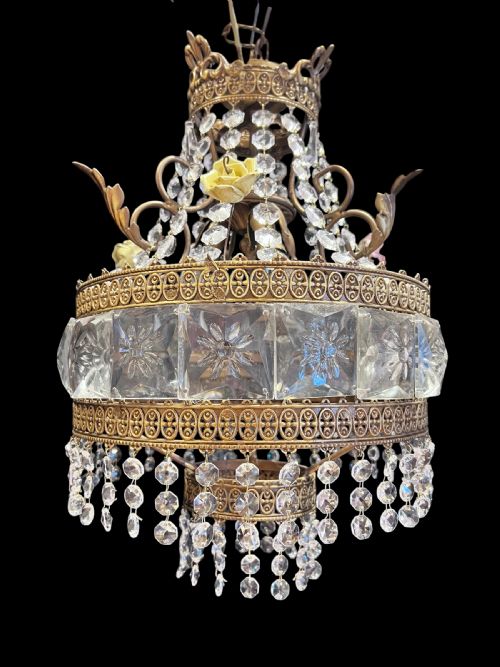
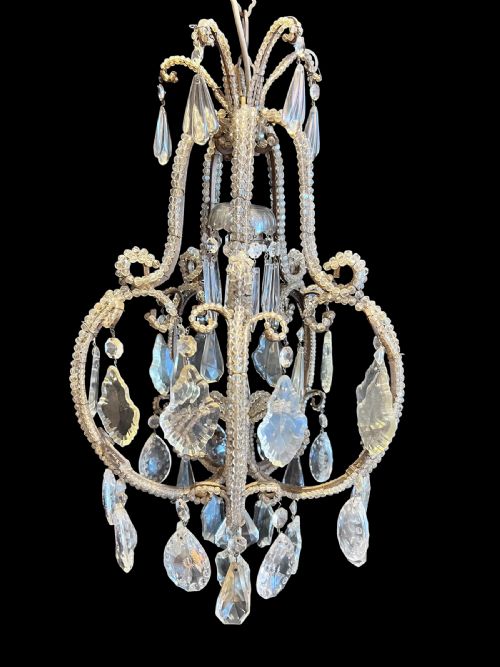
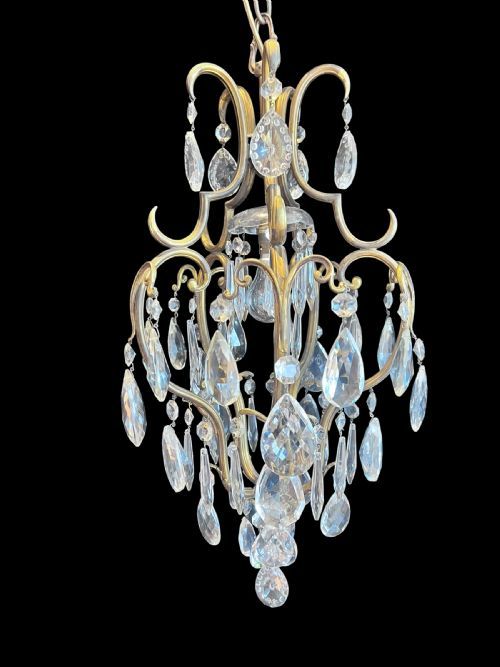
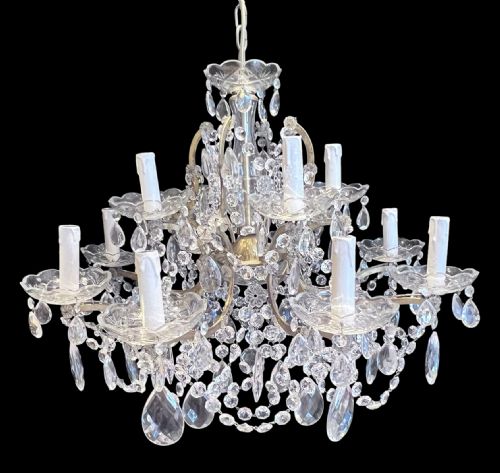
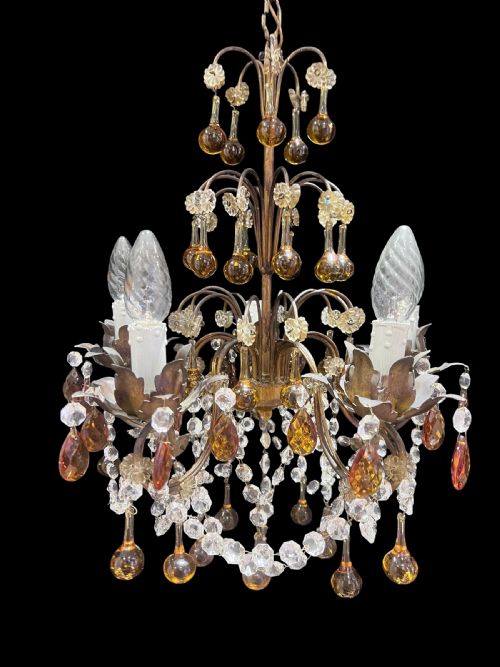
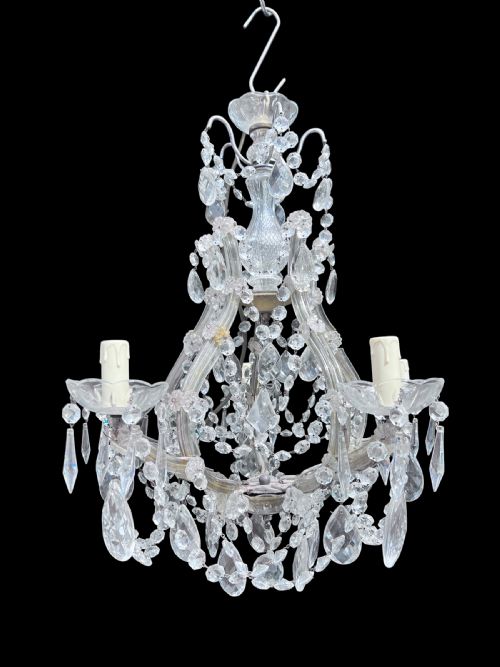
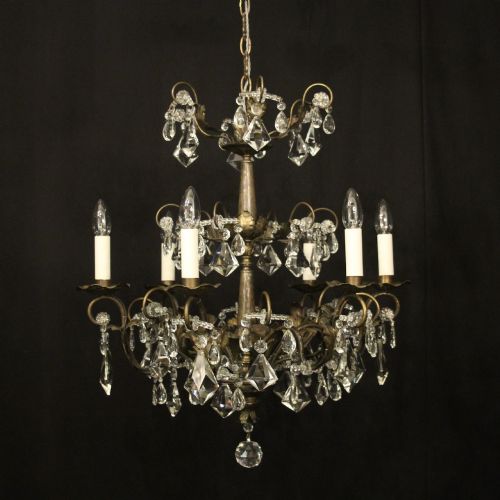
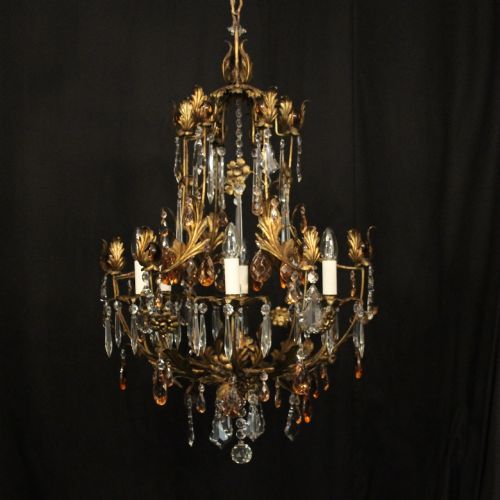
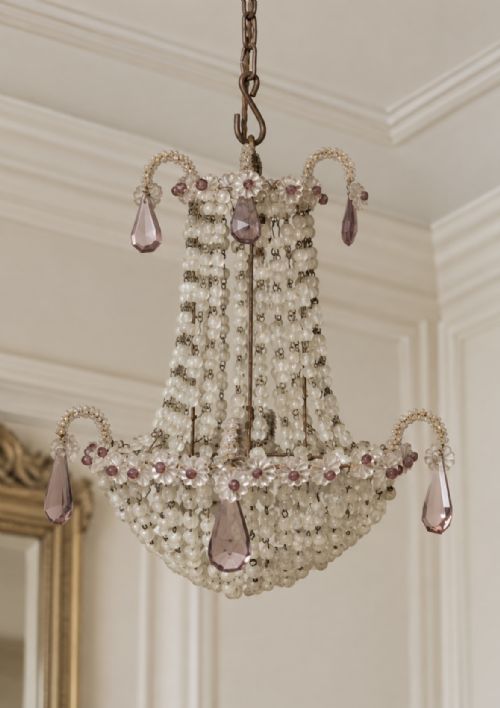
When you search for an italian glass pendant light, you encounter hanging light fixtures originating from Italy across the nineteenth century and early twentieth century. These pieces encompass single light pendants, hall lanterns, and smaller ceiling fixings that rely on glass elements for illumination.
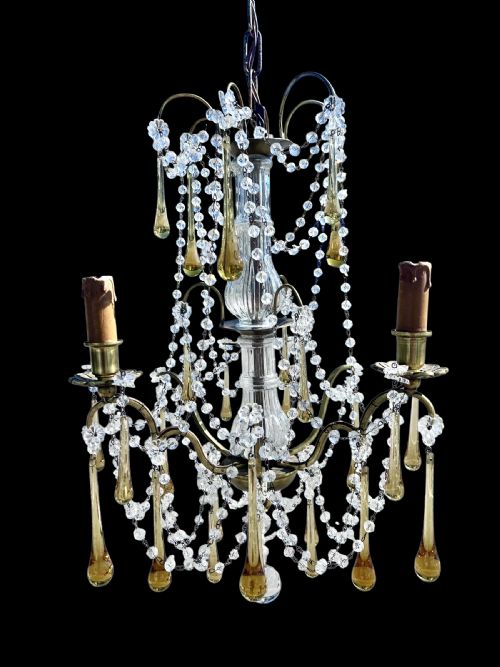
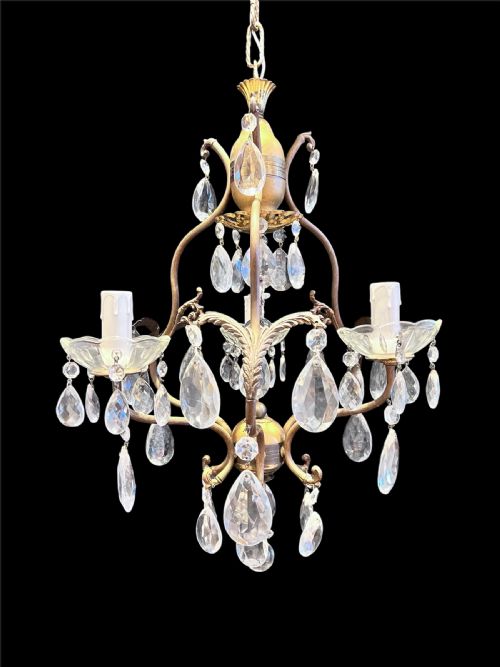
The versions most frequently met on this page date from the 1900s to the 1930s, reflecting regional styles such as Florentine and Venetian designs. They span simpler single bulb forms to multi-light configurations ornamented with crystal drops and coloured glass.
How they were made
Makers constructed these fixtures using structural frames of brass, gilt metal, wrought iron, and gilded bronze to support the weight of the glass components. Artisans shaped blown glass, crystal, and opaque elements into specific forms including grapes, flowers, and beads.
Metalwork involved casting, carving giltwood, and applying silver or gold gilding to frames and lantern structures. Glass pieces were hand-blown, cut, and wired together with metal pins to suspend crystal drops and coloured fruit motifs from the main frame.
Italian Glass Pendant Light Retail Price Guide 2026
Typical asking prices for italian glass pendant light among the pieces listed under this phrase on Sellingantiques today, from the lower quarter to the upper quarter. They describe what is for sale here now, not the wider market.
Listings feature items spanning the nineteenth century, 1900, 1910, 1920, and 1930 periods.
What varies in quality
The fineness of the metal framing and the complexity of the glass work separate different tiers of these fixtures. Hand-carved giltwood, detailed gilded bronze, and substantial wrought iron indicate higher grade production than standard metal frames.
The density and clarity of the crystal, alongside the artistry in moulded glass elements such as coloured fruit and porcelain flowers, dictate the overall refinement of the piece. Integrated double-tiered structures and extensive hand-beading require greater technical skill during assembly.
The Italian Glass Pendant Light Glossary
- Florentine
- A regional style originating from Florence, often characterised by carved and gilded wood, scrolling metalwork, and polychrome details.
- Marie Theresa
- A classic chandelier style featuring a flat frame covered by glass plaques and numerous crystal drops, named after the Austrian empress.
- Giltwood
- Timber treated with a thin layer of gold leaf or gold paint, frequently utilised in Italian lantern and chandelier frames.
- Toleware
- Enamelled or lacquered metalware used for decorative components on lighting fixtures.
- Murano
- Glass produced on the Venetian island of Murano, known for historic glassblowing traditions.
Italian Glass Pendant Light: Frequently Asked Questions
How do I hang an italian glass pendant light?
Suspension typically requires a matching metal chain and ceiling hook attached to the primary brass or gilt frame. Professional electricians should install the ceiling mount to support the combined weight of the metal and glass.
Ensure the hanging height suits the room proportions and ceiling clearance, particularly in hallways or above tables where lower placement works best.
What periods do these pendant lights come from?
The pieces span the nineteenth century and the early decades of the twentieth century, with many examples originating from the 1900s through the 1930s. Construction techniques and decorative motifs align with these eras.
Stylistic markers help identify the period, ranging from ornate Florentine Baroque influences to simpler early twentieth-century designs.
How should I clean the glass components?
Maintenance involves gentle dusting with a soft cloth and occasional washing of removable glass drops in lukewarm soapy water. Metal frames require careful wiping to avoid damaging gilt or silver surfaces.
Harsh chemical cleaners can strip gilding and damage delicate crystal or blown glass elements, so mild solutions are essential.
Are these pendant lights suitable for low ceilings?
Single light pendants and compact hall lanterns function well in rooms with restricted vertical space. Shorter hanging chains reduce the drop distance from the ceiling.
Multi-tier fixtures and larger lanterns require higher ceilings to maintain proper visual balance and safe clearance below.