



Italian Carved Table
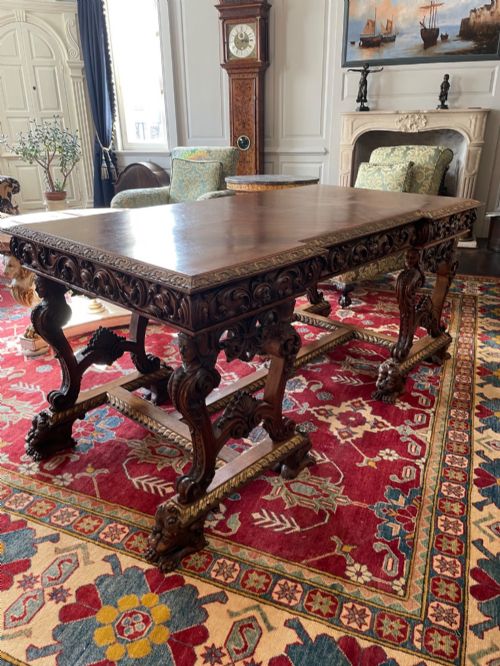
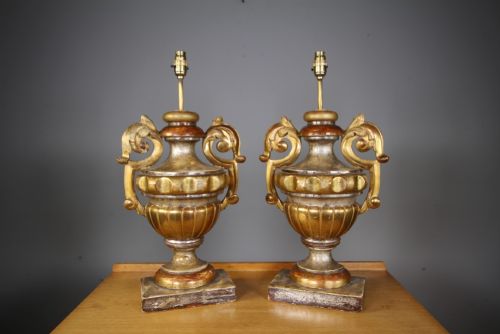
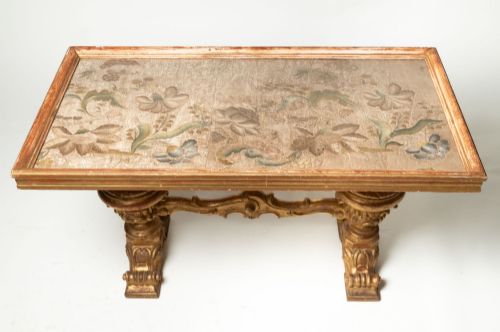
An italian carved table brings heavy giltwood, sculpted walnut, and cool marble into a room with the theatrical flair of the southern European workshops.
Italian Carved Table
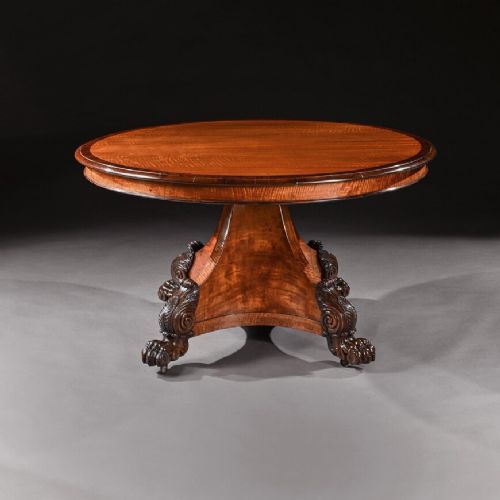
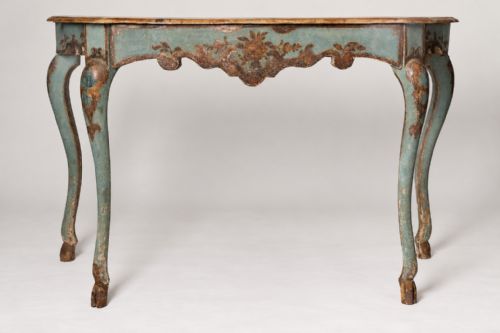
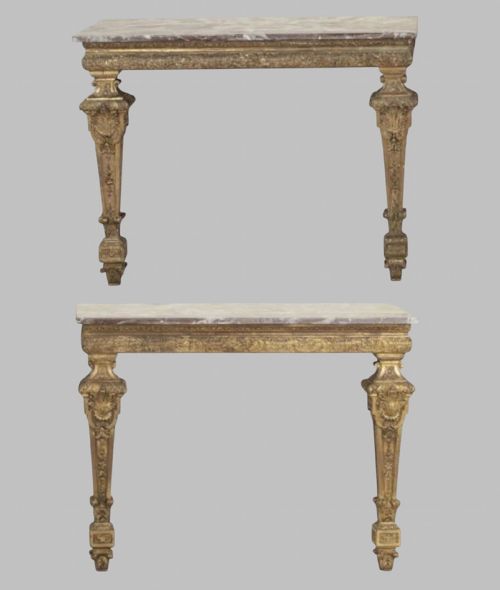
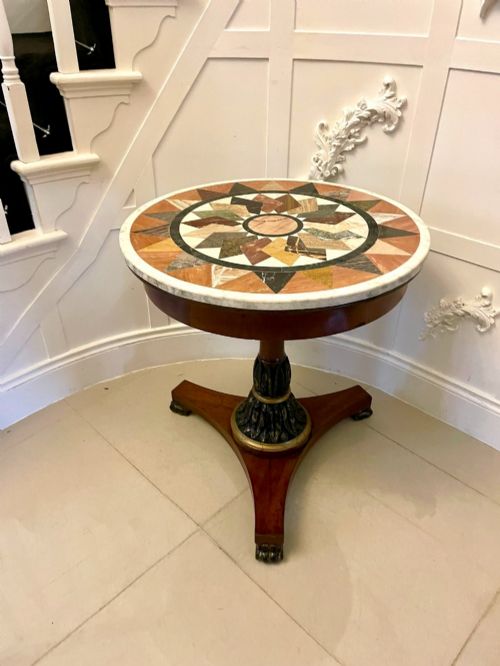
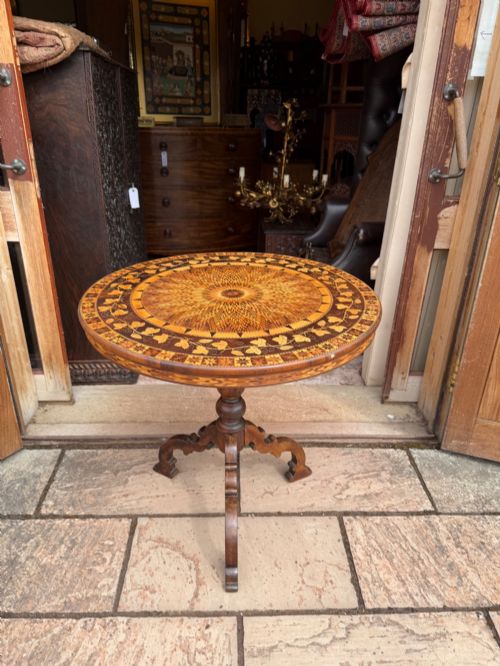
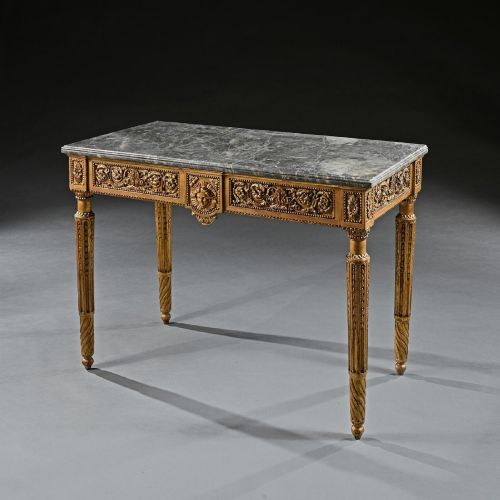
An italian carved table typically manifests as a console table designed to sit against a wall beneath a matching mirror, or as a circular centre piece intended for the middle of a grand room. Console tables dominate the selection, frequently paired with rouge or breccia marble tops and elaborate giltwood frames.
The periods span from the eighteenth century into the early twentieth century, taking in Baroque, Neoclassical, and Rococo revivals alongside Venetian and Florentine regional styles. Buyers encounter everything from walnut side tables to grotto work and painted coffee tables.
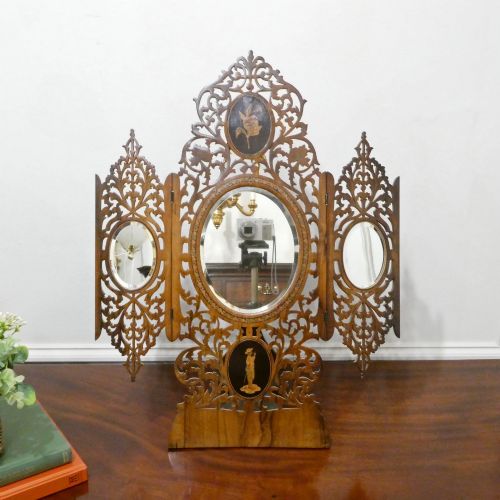
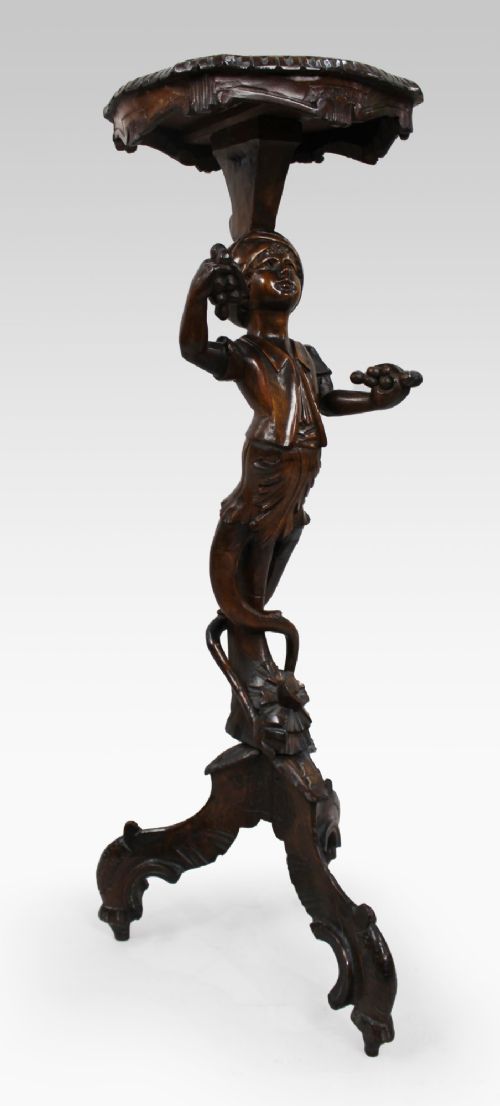
Occasional forms such as dressing table mirrors, pedestals, and etagere tiers also appear, maintaining the heavy carving and decorative paint finishes characteristic of the tradition.
Materials and Construction
Carvers shaped native woods like walnut, pine, and mahogany before applying layers of gesso, gold leaf, silver gilt, or polychrome paint to the surfaces. The woodwork often incorporates deep relief scrolling, figural supports, and lion's paw feet.
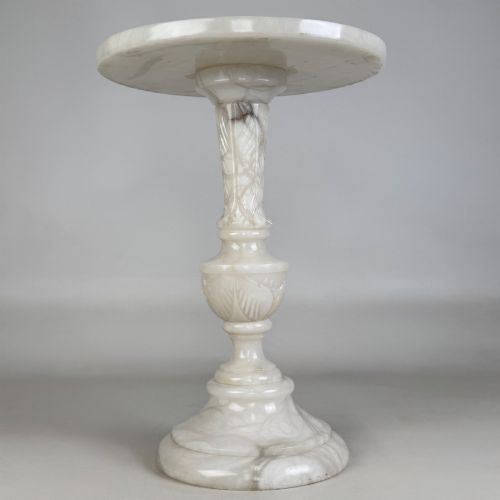
Heavy stone tops in marble, onyx, or alabaster rest upon these wooden bases, requiring robust structural joinery to support the weight. Inlaid details, satinwood, and rosewood accent pieces appear alongside the more dominant gilded finishes.
Italian Carved Table Retail Price Guide 2026
Typical asking prices for italian carved table among the pieces listed under this phrase on Sellingantiques today, from the lower quarter to the upper quarter. They describe what is for sale here now, not the wider market.
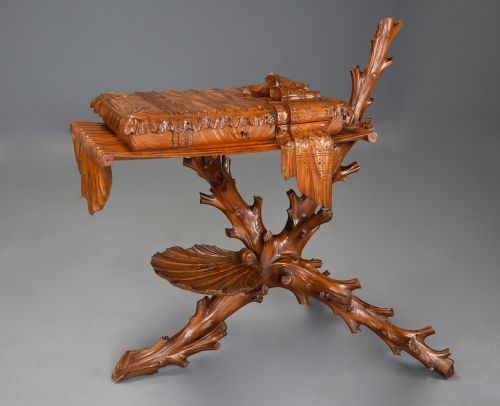
Among the gilded consoles and polished stones sits a delightfully eccentric nineteenth-century grotto work table carved entirely from pine.
Design and Execution
Quality rests upon the depth and sharpness of the hand carving, distinguishing crisp acanthus leaves and figural details from softer, mechanical execution. The choice of stone top also dictates standard, with figured breccia or rouge marble elevating a piece above simpler timber surfaces.
Originality of surface finish separates standard items from superior examples, as period gilding and authentic polychrome paint retain more visual character than later interventions. The proportion of the console frame relative to the heavy marble slab governs the overall harmony of the design.
Amleto Bertoni·Peters of Genoa·Harrods·Pauly et Cie
The Italian Carved Table Glossary
- Giltwood
- Wood coated with gold leaf applied over a prepared gesso ground. This finish defines many formal console tables.
- Console table
- A table designed to stand against a wall, frequently fixed with brackets and topped with marble. These pieces anchor formal hallway and drawing room schemes.
- Gesso
- A plaster mixture applied to wood surfaces as a smooth base for gilding or paint. Artisans carved intricate details directly into this layer.
- Rouge marble
- A deep red limestone variety with white and grey veining. It appears frequently on eighteenth and nineteenth-century console tables.
- Polychrome
- Decorated in several colours. This paint technique brings pictorial life to carved wooden figures and coffee tables.
Italian Carved Table: Frequently Asked Questions
Where should I place a console table?
Console tables anchor narrow entrance halls, living room walls, and dining spaces where floor depth is restricted. They sit effectively beneath large mirrors or paintings to create a balanced focal point.
Because these tables rely on wall clearance or heavy stone tops for stability, positioning them against solid masonry ensures proper support and safety.
How do I clean a marble top?
Wipe the surface with a soft, damp cloth using warm water and a mild, neutral soap. Avoid acidic cleaners, vinegar, or harsh detergents that etch polished stone.
Dry the marble thoroughly afterwards with a soft cloth to prevent water spots and maintain the natural lustre of the mineral grain.
Can I use an antique table daily?
These tables tolerate everyday use provided you protect the finishes from excessive moisture, heat, and heavy impacts. Using coasters and felt pads preserves delicate giltwood and painted surfaces.
Heavier marble tops handle daily placement of lamps and decorative objects easily, though structural joints benefit from gentle treatment.
How do I distinguish revival styles?
Revival pieces draw on earlier Baroque, Rococo, or Neoclassical vocabularies but often incorporate nineteenth-century construction methods and secondary timbers. Examine the backboards, joinery marks, and wear patterns to read the true age.
Proportions and carving crispness also shift across periods, with nineteenth-century interpretations sometimes displaying heavier massing than their eighteenth-century prototypes.