


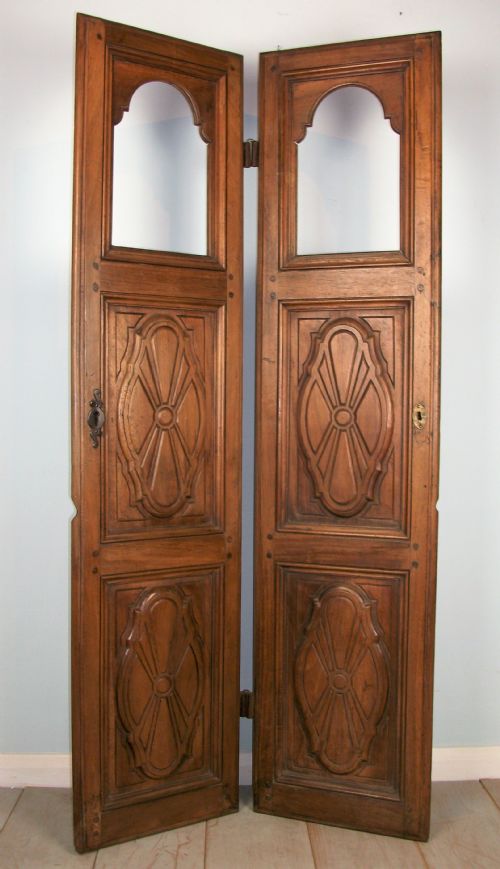


Italian Carved Panels
These Italian carved panels bring centuries of European craftsmanship directly to your walls, offering rich textures and historic depth.
Italian Carved Panels
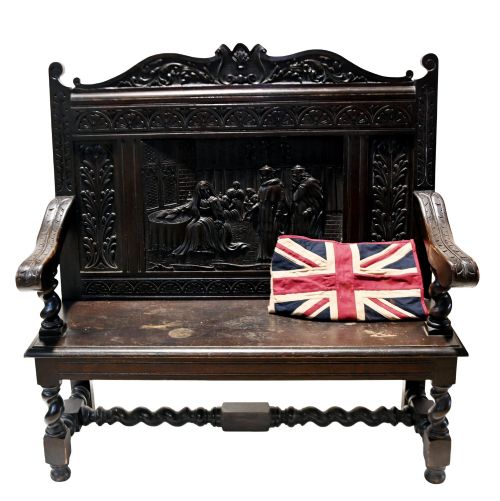
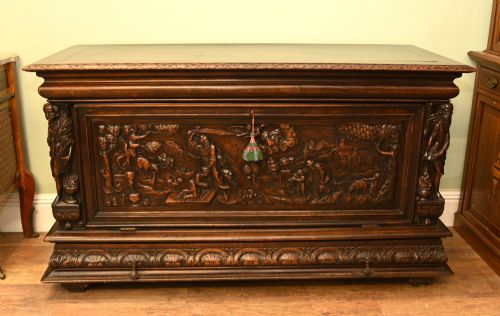
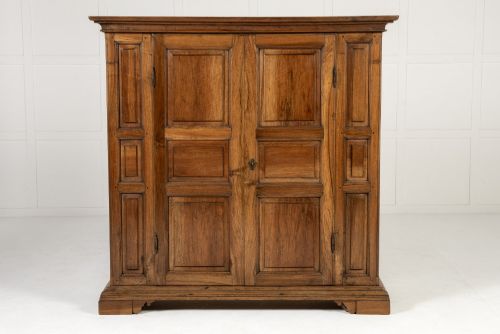
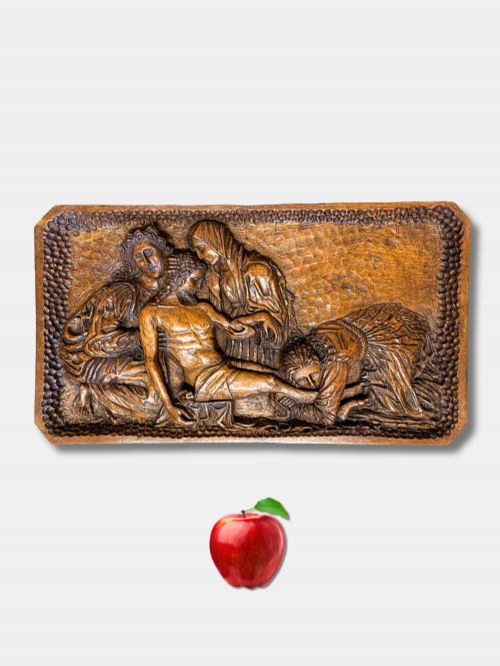
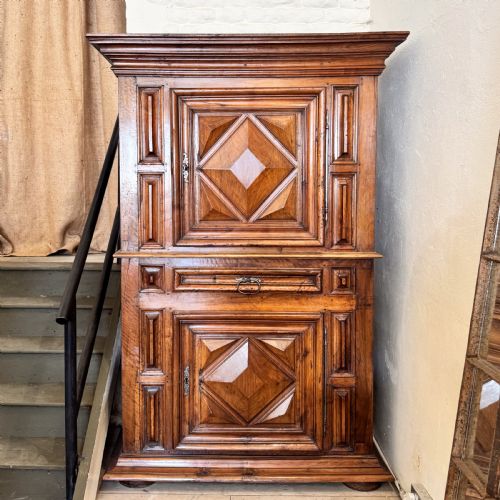
When you search for italian carved panels, you encounter a selection spanning from the sixteenth century to the early twentieth century. The forms range from architectural fragments and wall relief carvings to panels incorporated into larger furniture like coffers, benches, and cupboards.
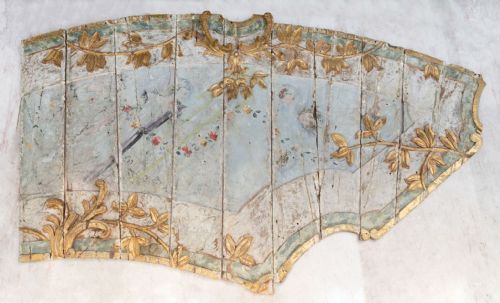
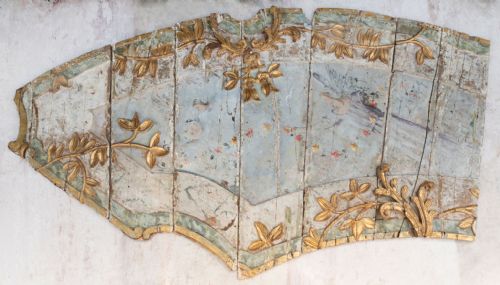
You are most likely to meet walnut pieces alongside polychrome surfaces, giltwood, and occasional paintings on board or canvas. These items originate from various Italian regions and schools, reflecting styles from Baroque to Renaissance Revival and folk art.
Materials and construction methods
Walnut and chestnut serve as the primary woods for these carvings, chosen for their grain and stability over centuries. Artisans applied hand-carving techniques directly to the timber, frequently enhancing details with gesso, gold leaf, and oil paint.
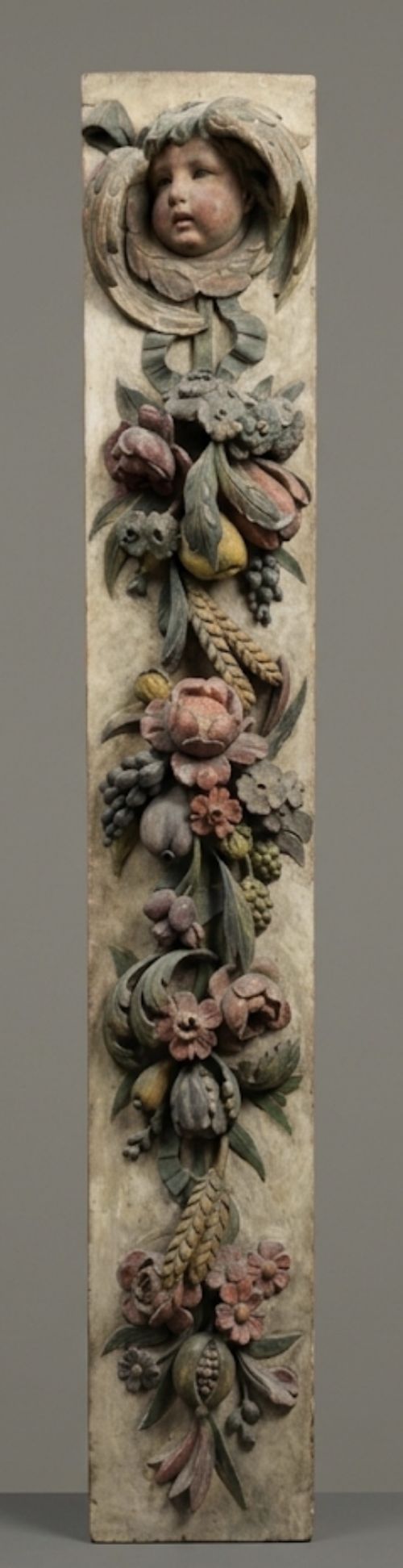
Surfaces often display polychrome finishes or retain traces of original gilding, showing the layered approach typical of historical workshops. Iron fixings and marble additions appear in specific architectural and wall-mounted pieces.
Italian Carved Panels Retail Price Guide 2026
Typical asking prices for italian carved panels among the pieces listed under this phrase on Sellingantiques today, from the lower quarter to the upper quarter. They describe what is for sale here now, not the wider market.
Object types include wall relief carvings, architectural fragments, coffers, cabinets, and paintings on board.
Factors of quality and execution
The depth and crispness of the hand-carving distinguish superior examples from simpler production. Relief work featuring expressive figures, such as cherubs or narrative scenes, demonstrates a higher level of sculptural skill.
The preservation of original surface treatments, including polychromy and gilding, significantly influences the integrity of a piece. Integrated panels taken from authentic furniture or architectural settings hold distinct character compared to later revival items.
The Italian Carved Panels Glossary
- Polychrome
- Decoration in multiple colours applied to wood or stone surfaces. This technique adds vibrant visual detail to historical carvings.
- Giltwood
- Wood prepared with gesso and covered with thin sheets of gold leaf. It creates a brilliant reflective finish on frames and decorative panels.
- Architectural fragment
- A surviving portion of a larger building or structure removed for decorative display. These pieces often retain significant historical context.
- Coffer
- A large wooden chest used historically for storage and seating. Many incorporate heavy carved panels into their construction.
Italian Carved Panels: Frequently Asked Questions
How were Italian carved panels originally used?
These items functioned as structural elements within grand interiors, church furnishings, or domestic furniture like cabinets and coffers.
Over time, many were separated from their original settings to be mounted on walls as independent artworks.
What woods are most common in these carvings?
Walnut is the predominant timber found in these historical pieces, valued for its durability and suitability for detailed carving.
Chestnut and general hardwoods also appear, occasionally complemented by marble or iron components.
How do I care for antique carved wooden panels?
Keep the wood away from direct heat sources and dramatic humidity changes to prevent splitting or warping.
Dust gently with a dry, soft cloth and avoid applying modern polishes or chemical cleaners to historic finishes.
How can I tell the period of a carved panel?
Examine the tool marks, wood ageing, and stylistic traits such as Renaissance motifs or Baroque asymmetry.
Comparing the construction methods and surface wear to documented examples helps determine the likely century of origin.