




Italian Carved Cabinet
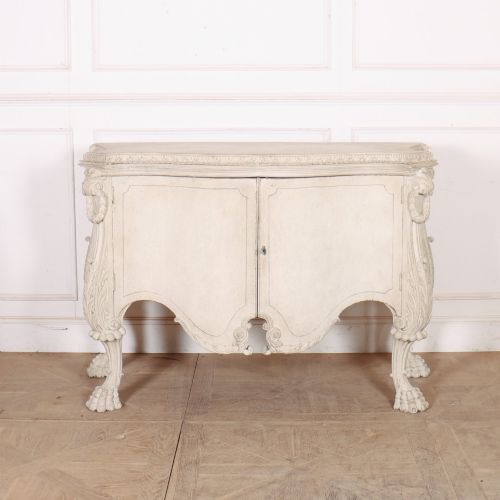
An italian carved cabinet brings centuries of craftsmanship into a room, offering both storage and sculptural presence through rich walnut and ornate detailing.
Italian Carved Cabinet
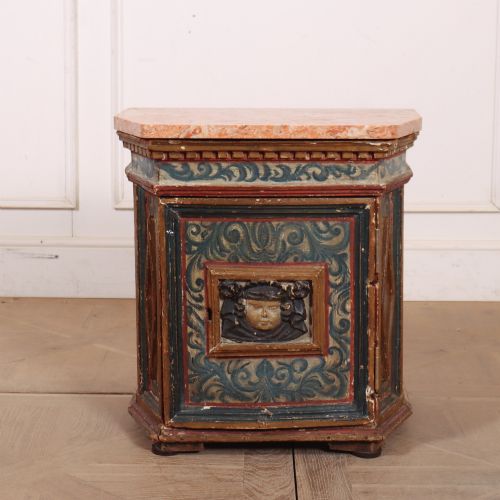
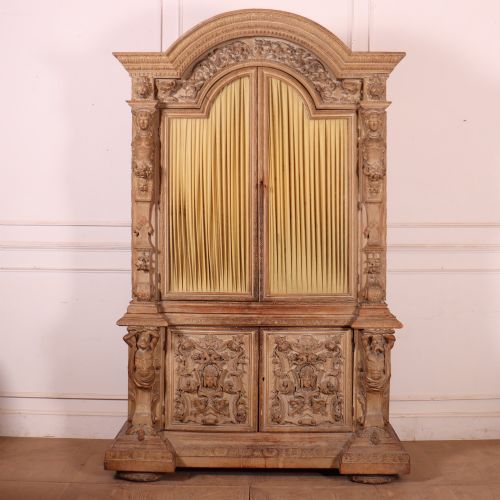
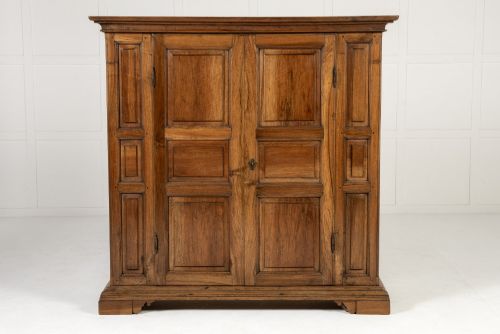
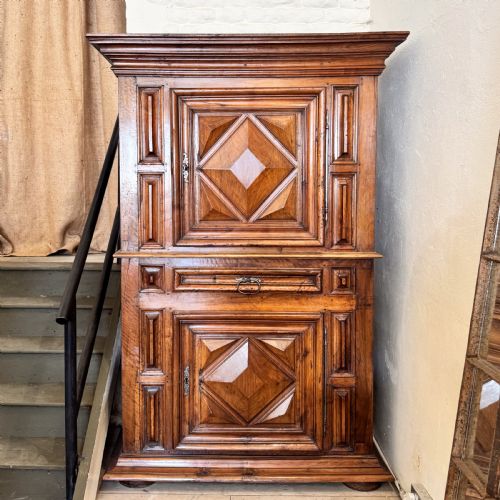
An italian carved cabinet is a substantial storage piece rooted in traditions spanning from the seventeenth century through to the early twentieth century. These items manifest as sideboards, vitrines, cupboards, and bureau bookcases originating from various regions including Tuscany and Venice.
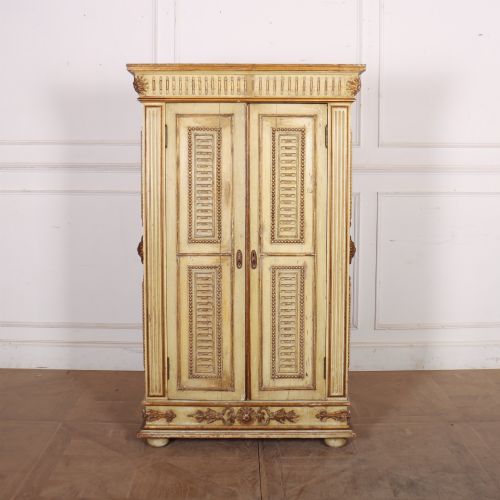
The most common examples encountered on this page date from the eighteenth and nineteenth centuries, often rendered in walnut or painted wood. Such pieces serve practical domestic needs while functioning as focal points within an interior through their architectural forms.
How they were made
Master artisans constructed these pieces primarily using solid walnut, burr walnut, and painted wood, frequently integrating marble tops and brass or iron hardware for functional and decorative contrast. Structural elements relied on traditional joinery methods suited to heavy hardwoods.
Carving formed the central decorative technique, executed by hand to produce deep relief panels, figurative motifs, and ornate mouldings. Surface finishing involved polishing the timber to accentuate the natural grain or applying gesso and paint for decorative Venetian schemes.
Italian Carved Cabinet Retail Price Guide 2026
Typical asking prices for italian carved cabinet among the pieces listed under this phrase on Sellingantiques today, from the lower quarter to the upper quarter. They describe what is for sale here now, not the wider market.
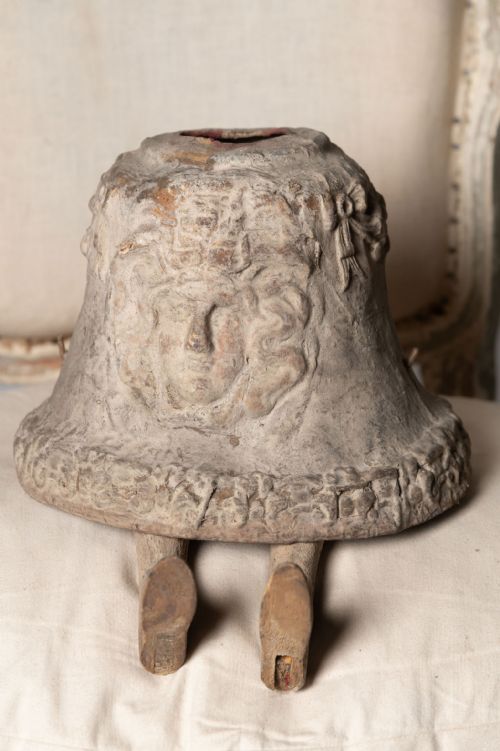
An eccentric theatrical prop waits among the heavy walnut sideboards, blurring the line between domestic storage and stage illusion.
What varies in quality
The standard of carving distinguishes exceptional examples from simpler utilitarian work, with depth, sharpness, and anatomical accuracy in figures showing the hand of a skilled sculptor. Greater sculptural ambition, such as the elaborate woodwork associated with notable makers, elevates a piece above standard production.
Material selection dictates much of the inherent value, particularly the choice of figured burr walnut over plain timber or the inclusion of integrated marble slabs. The integrity of the original surface finish, whether polished walnut or period paint, plays a crucial role in the overall execution.
Pauly et Cie
The Italian Carved Cabinet Glossary
- Walnut
- A dense, dark hardwood prized for its rich grain and durability, frequently utilised in fine cabinet-making across Italian periods. It accepts intricate hand-carving exceptionally well.
- Vitrine
- A glass-fronted display cabinet designed for showing porcelain, books, or curiosities. These pieces often feature delicate woodwork and glazed panels.
- Bureau bookcase
- A combination piece incorporating a sloping desk flap for writing above shelving or enclosed cupboards. It represents a complex form of domestic furniture.
- Gesso
- A plaster-based material applied to wood surfaces to prepare them for painting or gilding. It provides a smooth ground for decorative polychrome schemes.
- Baroque
- An ornate stylistic period characterised by dramatic movement, rich surface treatment, and exuberant carving. It heavily influences many monumental Italian storage pieces.
Italian Carved Cabinet: Frequently Asked Questions
How are these cabinets cleaned?
Maintenance requires dusting with a dry, soft cloth to protect the timber and carved details from accumulating grime. Avoid modern chemical polishes that can degrade historical wax finishes.
Period surfaces benefit from occasional application of quality beeswax to nourish the wood and maintain a natural sheen. Keep pieces away from direct heat sources and strong sunlight to prevent timber movement.
Where should an italian carved cabinet go?
These substantial pieces anchor dining rooms, hallways, and principal living spaces where their architectural presence can be fully appreciated. Ensure the floor can support the weight of dense hardwoods and integrated marble.
Allowance must be made for the clearance of heavy doors and drawers during placement. Generous proportions mean they suit rooms with adequate ceiling height and wall space.
How do I distinguish regional styles?
Venetian examples often display painted decoration, floral motifs, or rococo curves that reflect lighter decorative traditions. Tuscan pieces tend to emphasise heavy walnut construction, architectural moulding, and restrained classical balance.
Examining the underlying timber and secondary woods provides further clues to geographic origin. Local workshops utilised materials readily accessible in their specific provinces.
What is the function of a vitrine?
A vitrine functions primarily to display valued objects protected behind glass doors. These cabinets showcase collections while shielding delicate items from dust.
Internal shelving configuration often allows for the arrangement of varied heights of porcelain or glassware. They combine visibility with secure enclosed storage.