



Iron Dining Table
An iron dining table brings industrial backbone and sturdy utility to a room, offering a robust foundation that outlasts lighter timber frames.
Iron Dining Table
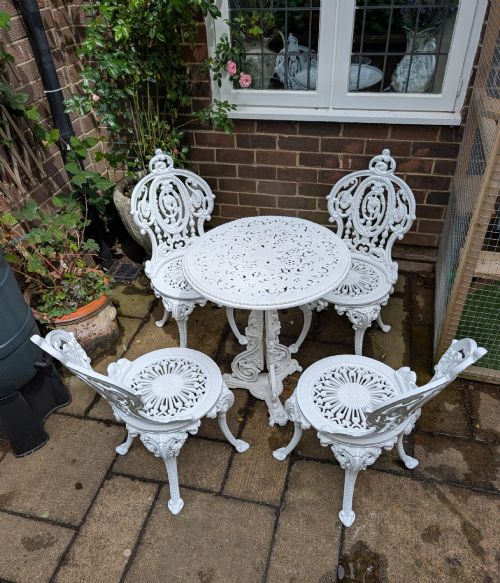
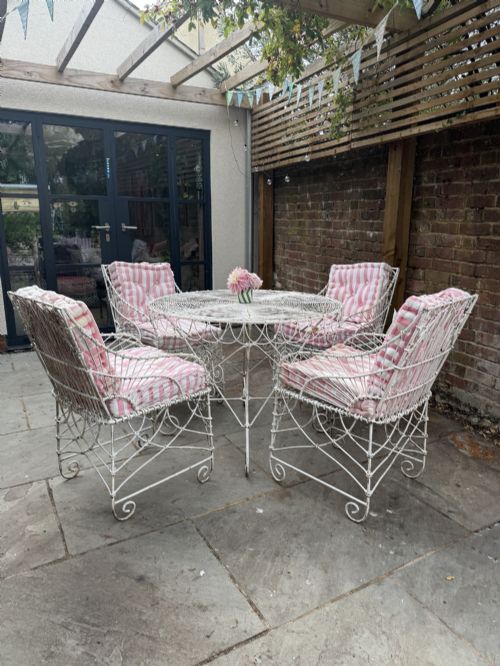
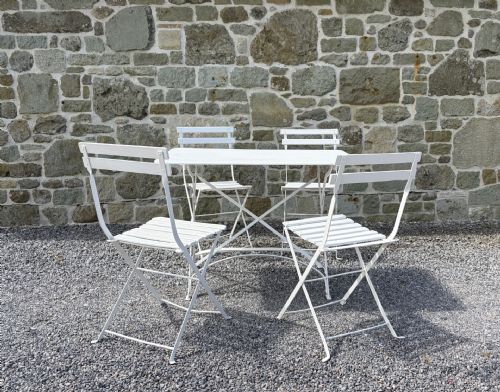
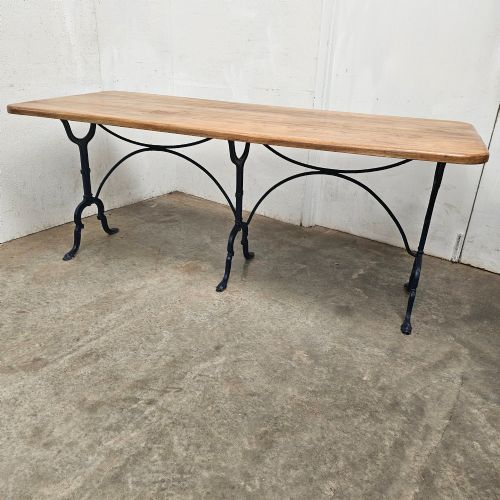
An iron dining table combines metal structural elements with surfaces formed from timber, marble, or zinc, spanning forms from intimate bistro sets to substantial refectory boards. When searching for an iron dining table, you encounter pieces originating from Victorian workshops, French provincial settings, and Spanish domestic traditions.
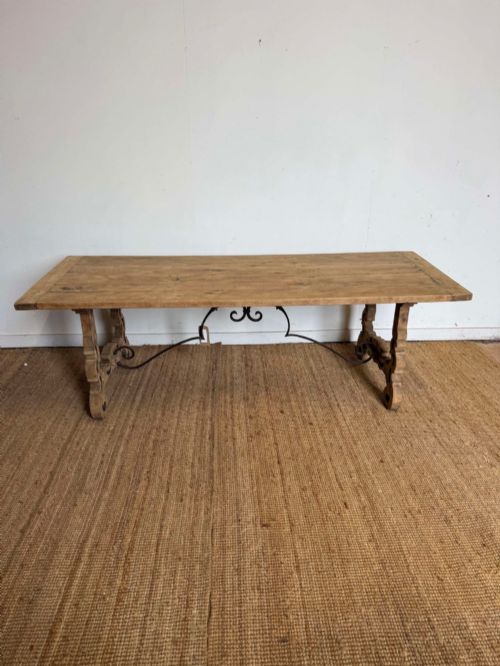
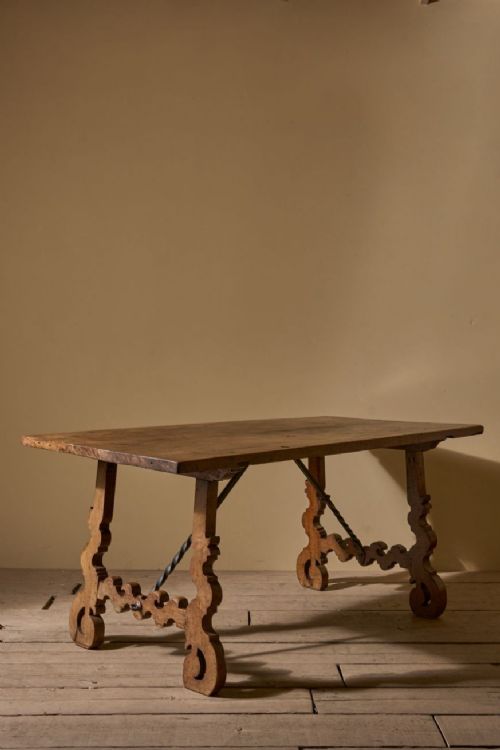
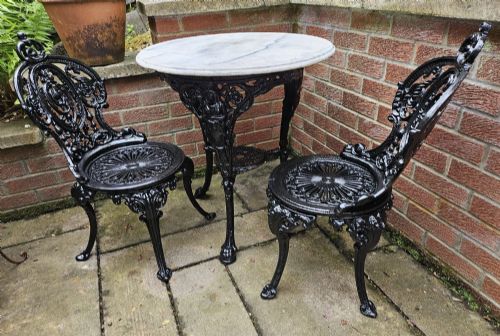
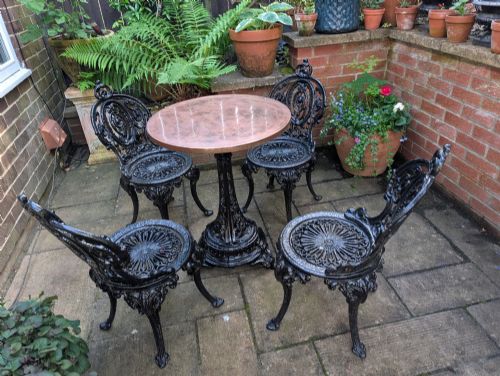
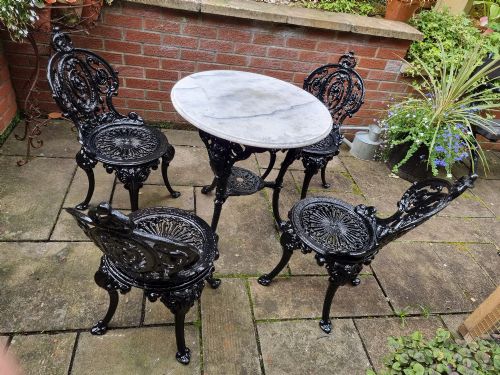
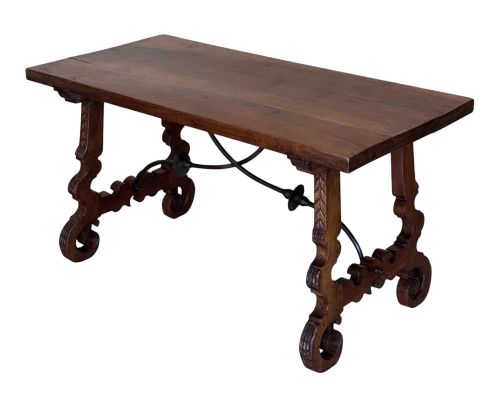
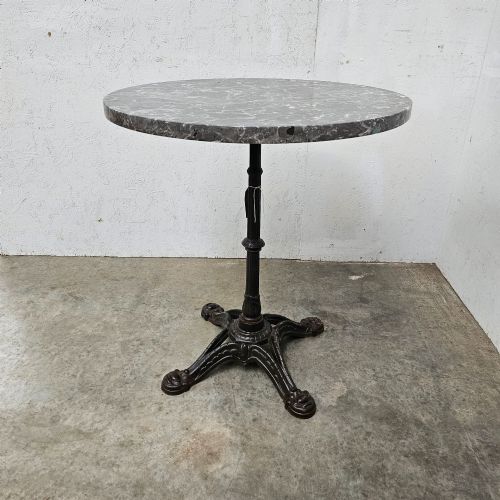
The varieties on this page lean heavily towards French industrial bistro tables, Victorian pub and garden pieces, and Spanish walnut or chestnut tables supported by iron and metal bases. These items balance heavy cast or wrought metal components with top boards made from oak, walnut, elm, pine, or marble.
Dating ranges from the eighteenth century through the nineteenth and into the early twentieth century, capturing periods like the Victorian era, Art Deco, and Spanish Baroque styles. Buyers frequently select these designs for kitchens, conservatories, and dining rooms requiring a practical yet characterful surface.
Materials and construction methods
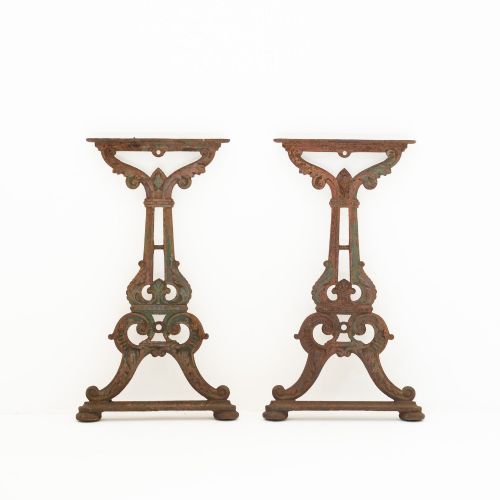
Makers utilised cast iron and wrought iron for bases, frames, and ornate structural legs, employing moulds for intricate Victorian patterns and forge work for simpler industrial trestles. These metal frames provide substantial weight and stability, ensuring the furniture remains firmly planted during daily use.
Wooden tops such as oak, walnut, elm, chestnut, and pine were joined to these metal frames using bolts, brackets, or simple rests, often paired with alternative top layers like marble, copper, zinc, or brass. The combination of dense metals and seasoned timbers yields a hardwearing surface designed for heavy domestic or commercial service.
Iron Dining Table Retail Price Guide 2026
Typical asking prices for iron dining table among the pieces listed under this phrase on Sellingantiques today, from the lower quarter to the upper quarter. They describe what is for sale here now, not the wider market.
One listed table carries the specific nineteenth-century moniker 'The Rotherham', proving ironmongers took pride in naming their garden furniture.
Assessing craftsmanship and finish
Quality rests in the integrity of the metal casting and the proportion between the heavy iron base and the top surface. Superior examples display clean casting lines on ironwork and tight, stable joinery where timber or marble meets the metal frame.
The patination of both the metal and the top material determines visual depth, with genuine age showing through natural wear on wood and authentic oxidation on iron components. Pieces that retain their original matched tops or retain maker-attributed designs hold distinct character compared to later married assemblies.
Christopher Dresser
The Iron Dining Table Glossary
- Cast iron
- A strong, hard iron alloy poured into moulds to create complex shapes, commonly seen in Victorian table bases and decorative garden furniture legs.
- Wrought iron
- Iron beaten into shape by hand with tools, providing tough, malleable structural supports for industrial and provincial tables.
- Refectory table
- A long dining table historically used for communal dining, adapted here with heavy wooden tops and robust metal or timber underframes.
- Bistro table
- A small, portable table originating in French cafes, typically featuring a single central iron column or four iron legs paired with a marble or wood top.
- Trestle table
- A board resting on two or more supports or trestles, utilised in early twentieth-century work tables and industrial dining settings.
- Patina
- The surface sheen and colour acquired by materials through years of handling, age, and exposure, indicating historical depth.
Iron Dining Table: Frequently Asked Questions
Are iron dining tables suitable for everyday family use?
An iron dining table provides exceptional stability and weight, making it a reliable choice for busy kitchens and daily dining environments.
The combination of a robust metal base and sturdy timber or stone top easily withstands the demands of regular household meals.
How do I care for a marble top on an iron table?
Marble surfaces require gentle cleaning with mild soap and water, avoiding acidic cleaners that can etch the polished stone.
Using placemats and coasters protects the porous marble from stains while preserving the tactile quality of the stone top.
Can I use an iron garden table inside my home?
Many pieces designed for gardens, conservatories, or cafes transition seamlessly into interior dining rooms and kitchens.
Their open metalwork and durable surfaces introduce an industrial or provincial aesthetic that suits various indoor decorative schemes.
How do I identify a Victorian iron table base?
Victorian iron bases frequently feature moulded decorative details, robust pedestal columns, or intricate wirework associated with nineteenth-century foundries.
Examining the casting quality and structural bolts helps distinguish these period pieces from later twentieth-century reproductions.