

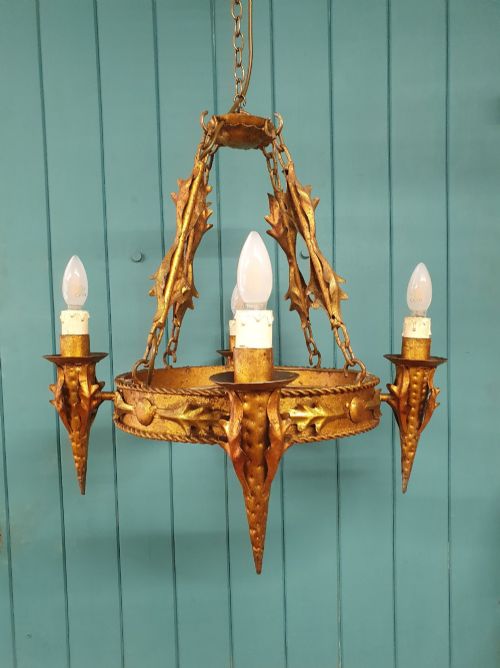
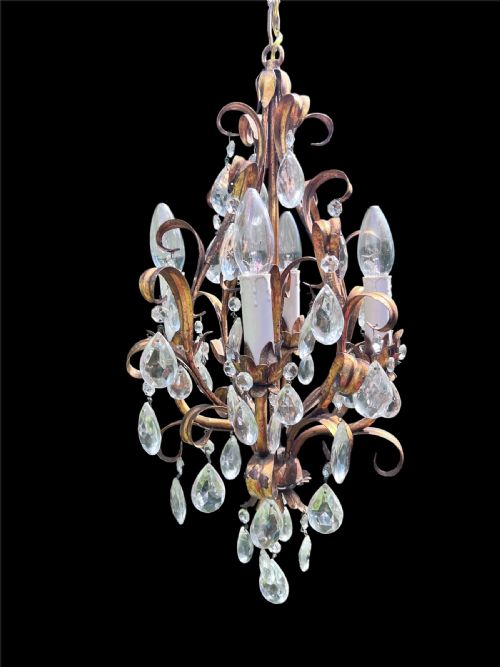
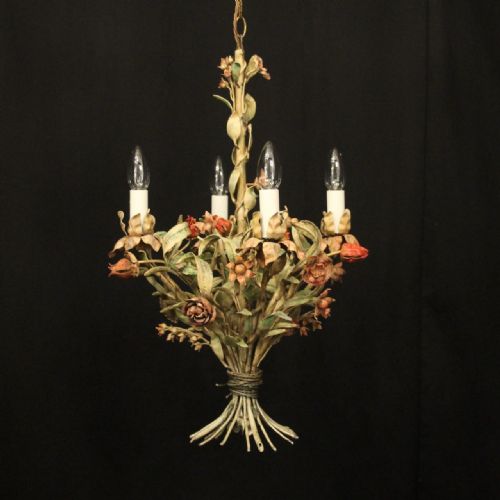


Iron Ceiling Fixture
An iron ceiling fixture brings substantial architectural presence overhead, offering a robust form paired with glass, crystal, or gilt metal.
Iron Ceiling Fixture
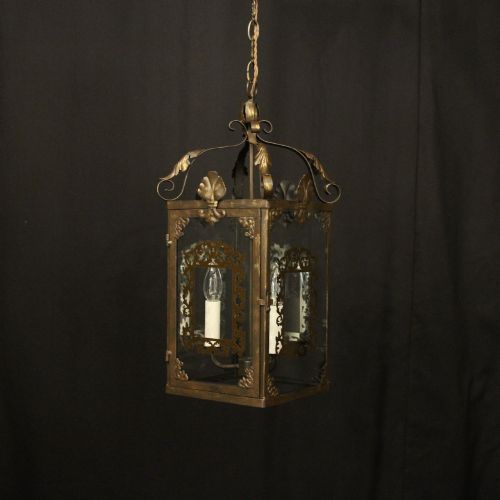
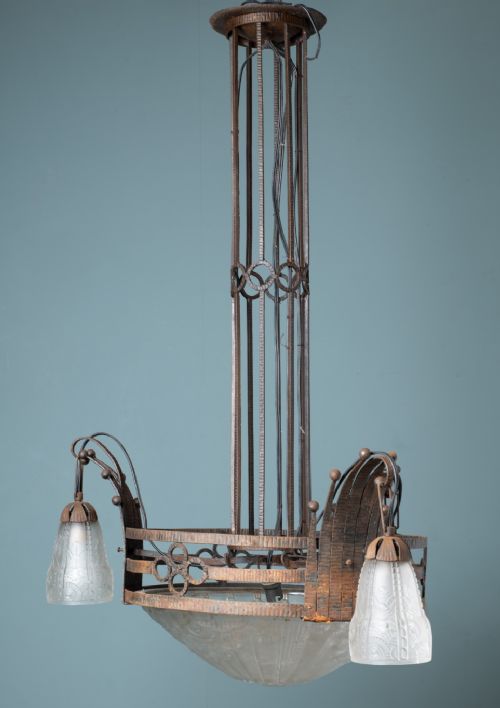
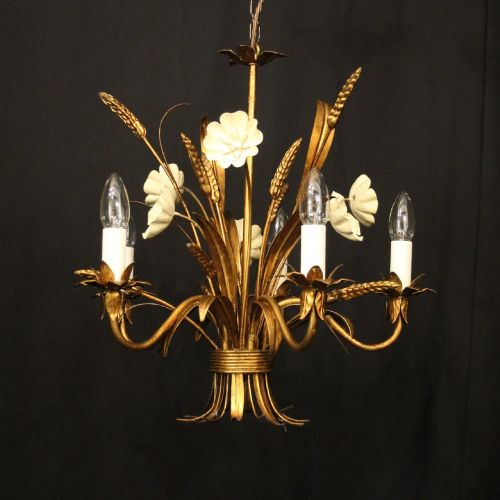
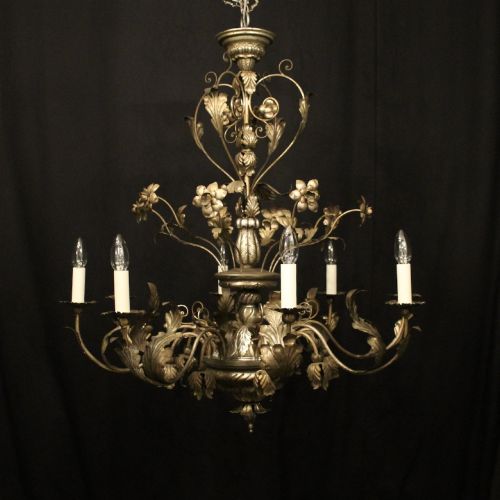
When you search for an iron ceiling fixture, you encounter a diverse range of hanging lights spanning the Victorian era through the mid-twentieth century. The selection leans heavily toward French and Italian designs, encompassing multi-arm chandeliers, hall lanterns, and pendant lights.
You are most likely to meet wrought iron and cast iron chandeliers and ceiling lights originating from the decades between eighteen-eighty and nineteen-forty. These pieces frequently incorporate glass drops, frosted glass shades, or polychrome and gilded finishes.
The forms vary from simple blacksmith-made hall lanterns and billiard lights to ornate Art Nouveau, Arts and Crafts, and Gothic Revival creations. Each iron ceiling fixture reflects the domestic lighting requirements and decorative tastes of its period of manufacture.
Materials and construction methods
Makers utilised forged wrought iron and cast iron for the primary structural frames and suspension arms of these ceiling fixtures. Blacksmiths shaped and joined the metal manually on many examples, whilst others employed cast components for architectural weight.
Glass elements form a vital component, ranging from clear cut glass and coloured crystal fruits to frosted glass and pate de verre shades. Gilt metal, brass, and copper frequently accent the ironwork, alongside polychrome and gilded surface finishes.
Iron Ceiling Fixture Retail Price Guide 2026
Typical asking prices for iron ceiling fixture among the pieces listed under this phrase on Sellingantiques today, from the lower quarter to the upper quarter. They describe what is for sale here now, not the wider market.
Listings feature iron ceiling fixtures spanning from the nineteenth century through the nineteen-forties, incorporating French and Italian regional styles.
Assessing quality in antique ironwork
The refinement of the metalwork distinguishes superior examples, seen in the clean lines of hand-forged wrought iron and the crisp detailing of cast elements. Superior fixtures demonstrate careful balance in their proportions and harmonious integration between the iron frame and glass components.
The integration of decorative details such as polychrome paintwork, gilding, and specialised glass shades elevates a piece. Original glass drops, fruit ornaments, and signed art glass panels indicate a higher standard of production from workshops of the period.
Schneider·Verrerie Des Vosge·Muller Freres
The Iron Ceiling Fixture Glossary
- Wrought iron
- Iron that has been heated and hammered into shape by a blacksmith. This material allows for slender, curved structural elements.
- Pate de verre
- A glass-making technique involving crushed glass melted in a mould. This process creates textured, richly coloured shades found on turn-of-the-century pieces.
- Hall lantern
- An enclosed ceiling fixture designed for entrance halls and corridors. These typically feature glazed panels within a metal frame.
- Billiard light
- A long, multi-light ceiling fixture originally designed to illuminate gaming tables. They provide extended linear light distribution.
Iron Ceiling Fixture: Frequently Asked Questions
How do I hang a heavy iron ceiling fixture safely?
Heavy iron fixtures require direct attachment to ceiling joists or the installation of a proper metal support box capable of bearing the weight. Professional electrical installation is recommended due to the substantial mass of cast and wrought iron.
Older wiring within antique fixtures generally requires rewiring to meet modern safety standards before ceiling mounting.
What rooms suit an iron ceiling fixture best?
Robust iron fixtures suit entrance hallways, dining rooms, and kitchens where their substantial weight and architectural lines command attention. Smaller pendants and lanterns function effectively in corridors or compact spaces.
Ceiling height dictates the drop of the fixture, as many antique chandeliers and multi-arm lights require adequate clearance below.
How do I clean antique iron and glass?
Dust iron frames gently with a dry, soft cloth to preserve original surface finishes and patinas. Avoid harsh chemical cleaners that can damage historic gilding or painted polychrome details.
Remove glass shades and crystal drops carefully for washing in warm, soapy water, ensuring they dry completely before reattachment.
How do I date an iron ceiling fixture?
Dating relies on stylistic markers such as Art Nouveau curves, Arts and Crafts simplicity, or Victorian ornamentation. Construction methods, including hand-forged versus machine-cast components, offer further clues to the manufacturing era.
Associated glass types and maker signatures, where present, help narrow the period of origin to specific decades between the nineteenth and mid-twentieth centuries.