




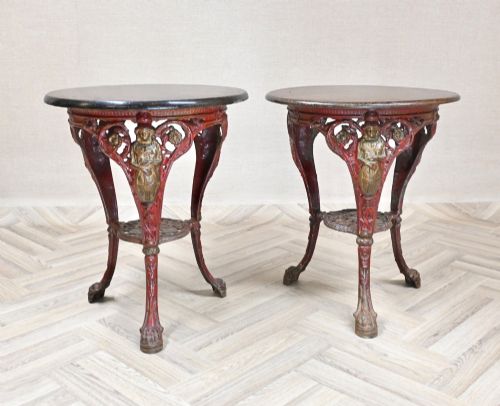
Iron and Wood Tables
Iron and wood tables combine heavy metal bases with timber tops, offering sturdy utility for everyday use.
Iron and Wood Tables
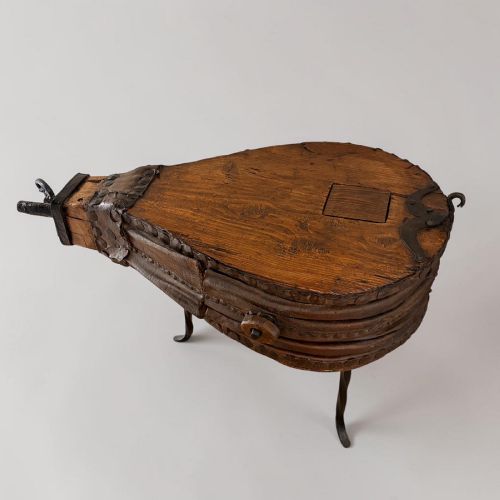
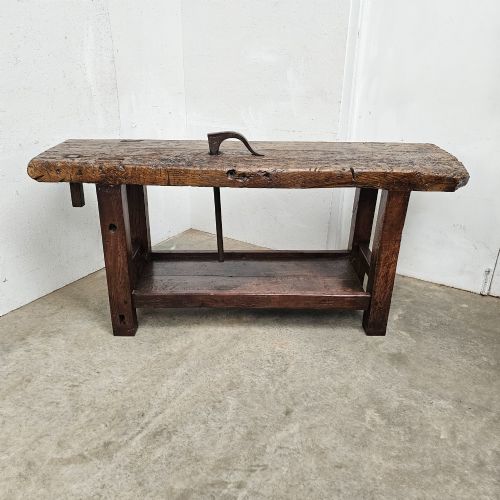
Iron and wood tables bring together robust metal frameworks and timber surfaces across a variety of forms including side tables, coffee tables, dining tables, and workbenches. These pieces span centuries from the seventeenth century through to the Edwardian period and the early twentieth century.
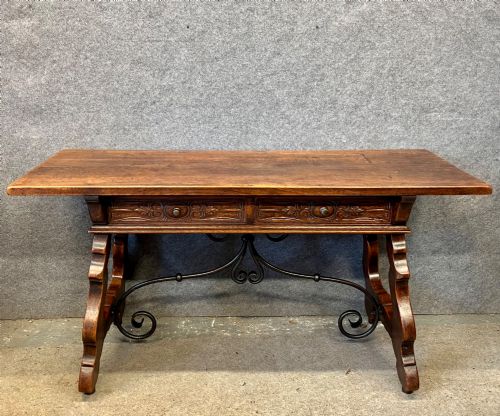
Continental European origins dominate the selection, particularly Spanish walnut tables alongside French and English iterations. Whether searching for a low coffee table or an occasional table, the combination of metal and timber provides a distinct architectural silhouette.
Materials and construction
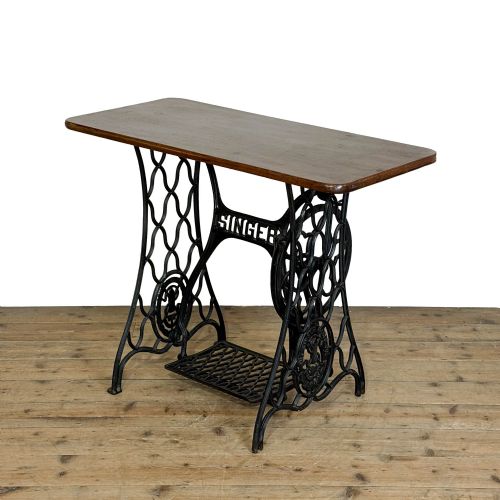
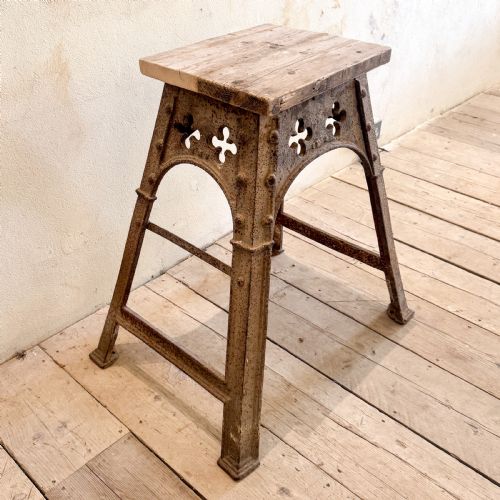
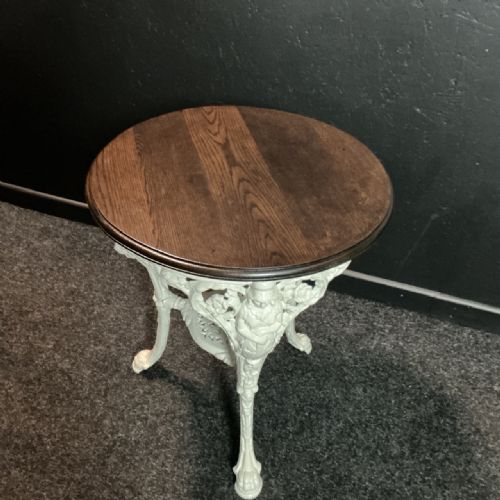
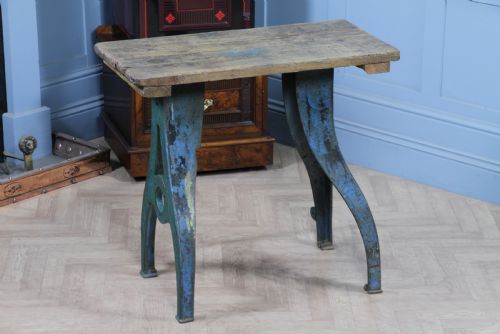
Makers constructed the structural elements using either cast iron or wrought iron, often utilising industrial machine bases or scrolling tripod supports. These metal components provide substantial weight and durability to support the timber tops.
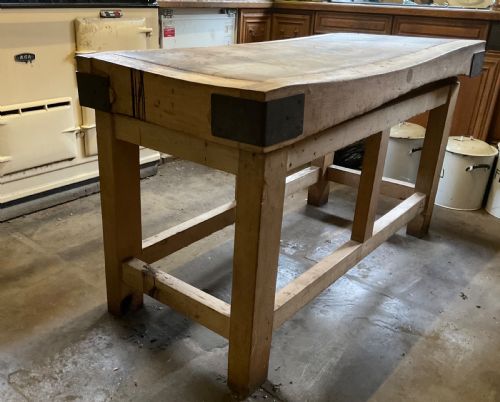
Timber surfaces utilise hardwoods such as walnut, oak, and chestnut, sometimes salvaged from earlier workbenches or architectural elements. Joinery techniques connect these disparate materials to create stable tables suited for regular daily service.
Iron and Wood Tables Retail Price Guide 2026
Typical asking prices for iron and wood tables among the pieces listed under this phrase on Sellingantiques today, from the lower quarter to the upper quarter. They describe what is for sale here now, not the wider market.
Materials recorded across the inventory include wrought iron, cast iron, walnut, oak, chestnut, and reclaimed pine.
Factors of quality
The relationship between the metal base and the timber top determines visual cohesion, particularly in pieces that combine reclaimed machine parts with older wood. Original pairing versus later adaptation influences the integrity of the design.
The condition of the timber surface and the depth of its original patina reveal how the table aged through use. Examples retaining untouched patination on walnut or oak sit at the higher end of the range.
The Iron and Wood Tables Glossary
- Cast iron
- A strong, hard iron alloy poured into moulds to create intricate bases, machine legs, and decorative pub table supports. This material provides the heavy foundation characteristic of many industrial and Victorian tables.
- Patina
- The surface sheen and colour developed by timber over years of handling, polishing, and natural ageing. Good original patina indicates minimal harsh intervention by restorers.
- Refectory table
- A long dining table traditionally used in communal halls, often adapted in later periods with heavy timber tops and robust structural supports. These large tables provide ample surface area for dining.
- Trestle table
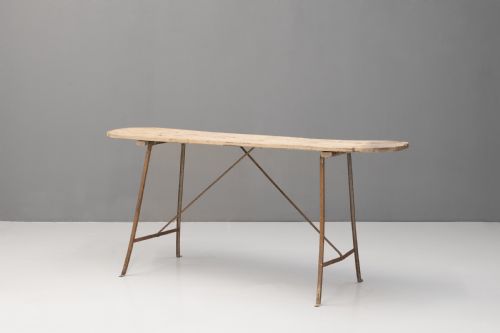
- A table comprising two or more supports carrying a horizontal beam that bears the main top. This form allows for unobstructed legroom along the length of the furniture.
- Up-cycled
- The conversion of discarded industrial items, such as sewing machine bases or factory machine stands, into new furniture by attaching a reclaimed timber top. This practice repurposes functional metalwork for domestic interiors.
Iron and Wood Tables: Frequently Asked Questions
Are these tables suitable for daily dining?
Many examples on this page, including refectory and farmhouse tables, were built for heavy domestic or workspace use. Their solid timber tops and iron frames provide robust surfaces for regular dining.
Buyers should check dimensions and leg clearance to ensure compatibility with dining chairs. The combination of hardwood and iron stands up well to daily activity.
How do I identify a 17th century Spanish table?
Seventeenth-century Spanish pieces typically utilise solid walnut with heavy grain patterns and straightforward structural proportions. They often display deep original patination accumulated over centuries of use.
Construction details such as pegged joints and simple stretcher bases distinguish these early examples from later revival pieces.
What is an industrial machine base table?
These tables utilise cast iron bases originally manufactured for industrial machinery, sewing equipment, or drafting stands. Reclaimed pine or hardwood tops are fitted to these sturdy metal frames.
This hybrid construction emerged from the repurposing of redundant factory equipment into functional household furniture.
How do I care for a timber top on an iron base?
Maintain the timber surface by applying appropriate waxes or oils suitable for hardwood, avoiding excessive moisture. Regular dusting preserves the natural grain and finish of the wood.
The iron components require minimal maintenance beyond occasional dusting to prevent dust accumulation on the cast or wrought metal.