



Irish Silver Silverware
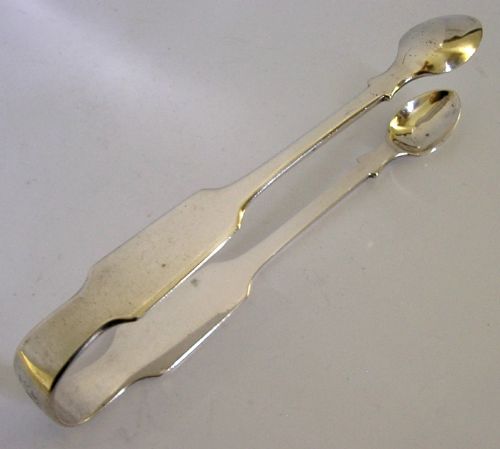
Irish silver silverware brings substance to the table through centuries of craftsmanship, from Georgian sugar tongs to Edwardian dish rings.
Irish Silver Silverware
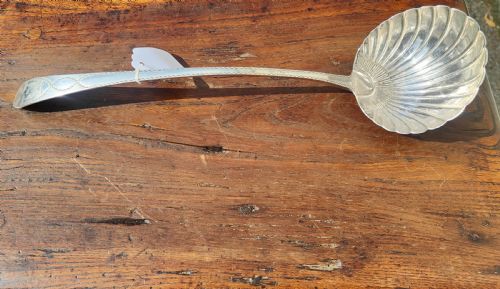
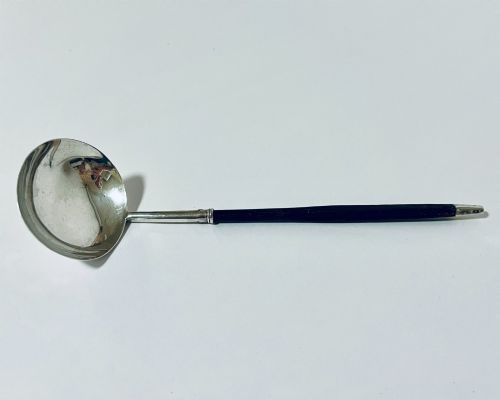
When buyers search for irish silver silverware, they encounter a range of functional and decorative items originating from Dublin workshops across the eighteenth, nineteenth, and twentieth centuries. The selection spans utilitarian pieces like ladles, marrow scoops, and sugar tongs alongside decorative vessels such as bowls, cups, and salvers.
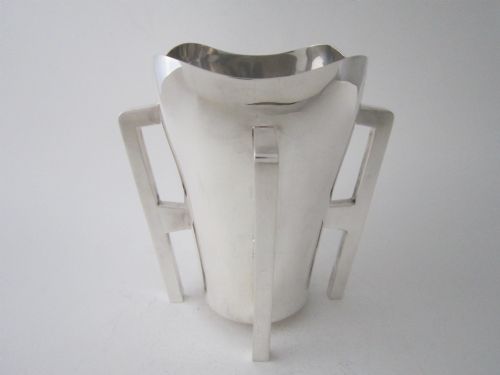
Georgian examples predominate, capturing the robust forms and rococo styling characteristic of the period. Alongside these are Edwardian interpretations, mid-century commemorative pieces, and occasional revivals like the Lindisfarne style vases.
The physical form dictates the function, whether handling sugar, basting meat, pouring tea, or displaying fruit in a dish ring. Each piece demonstrates the heavy gauge metal and distinctive hallmarks associated with Irish assay offices.
What varies in quality
Quality rests upon the weight of the metal and the clarity of the Dublin hallmarks stamped into the silver. Heavy gauge pieces maintain structural integrity and crispness of engraved detail through centuries of handling.
The artistry of the chasing and the sophistication of the form separate standard domestic items from exceptional presentation pieces. Provenance and the survival of original components, such as cobalt glass liners, further distinguish individual examples.
John Craig·Thomas Sutton
The Irish Silver Silverware Glossary
- Dish ring
- An open-ended cylindrical stand, often pierced and chased, designed to elevate bowls on the dining table.
- Marrow scoop
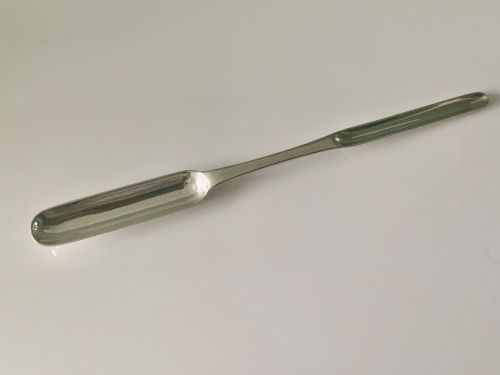
- A narrow utensil with trough-like ends utilised for extracting marrow from bones.
- Caddy spoon
- A short spoon specifically shaped for measuring loose tea leaves from a caddy.
- Basting spoon
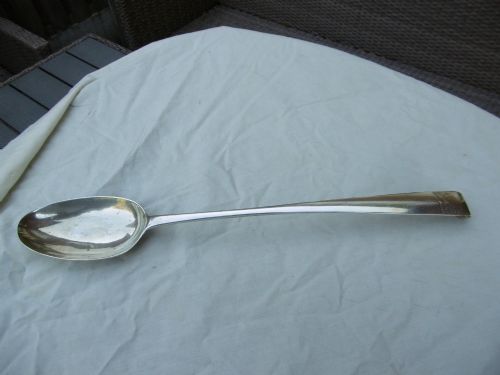
- A large spoon employed in the kitchen or at the table for spooning pan juices over roasting meat.
Irish Silver Silverware: Frequently Asked Questions
What defines irish silver silverware?
These items encompass flatware, hollowware, and decorative objects forged in Ireland and bearing traditional domestic assay marks. The forms range from functional serving utensils to elaborate presentation pieces.
Craftsmanship spans from the eighteenth century into the twentieth century, reflecting shifting domestic habits and stylistic movements such as the Celtic Revival.
How do I identify a period piece?
Dating relies heavily upon the stamped hallmarks, maker's marks, and stylistic indicators present on the metal surface. Georgian examples show rococo influence, while Edwardian and later pieces introduce revival styles and commemorative designs.
Weight, gauge, and manufacturing techniques also align with the working methods of specific eras recorded in the listings.
How were these items used originally?
Objects served practical roles in dining, tea service, and food preparation across prosperous households. Spoons basted meats, ladles served punch, and tongs handled sugar cubes.
Decorative vessels like dish rings and salvers occupied central positions on dining tables and sideboards, combining utility with visual display.
How do I care for silver daily?
Maintaining the metal requires gentle cleaning with non-abrasive cloths formulated specifically for silver. Avoiding harsh chemical dips preserves the chased detail and historical surface patination.
Storage in stable humidity environments prevents tarnish accumulation and protects any integrated materials like wood or glass.