




Interior Portrait Artwork
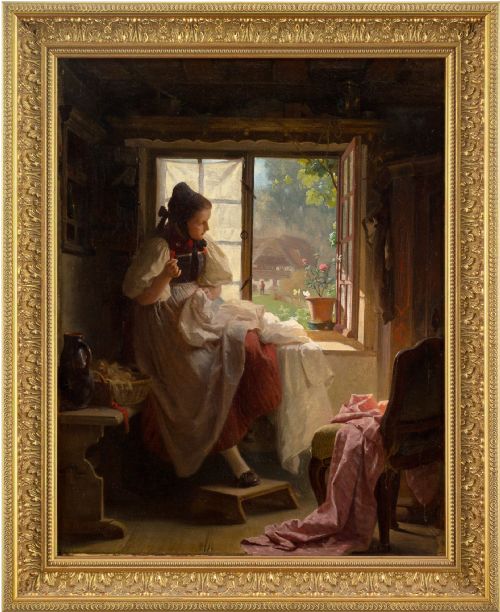
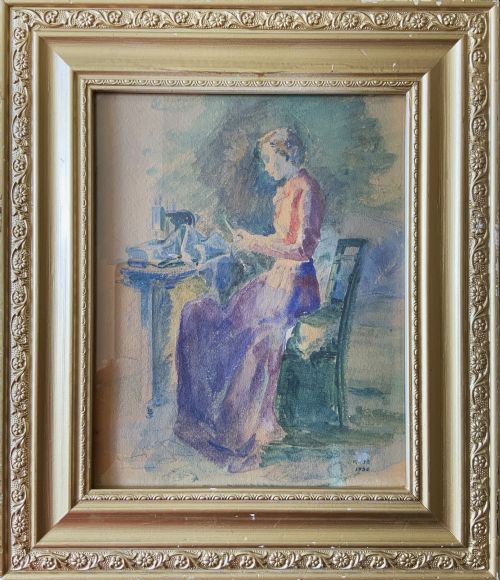
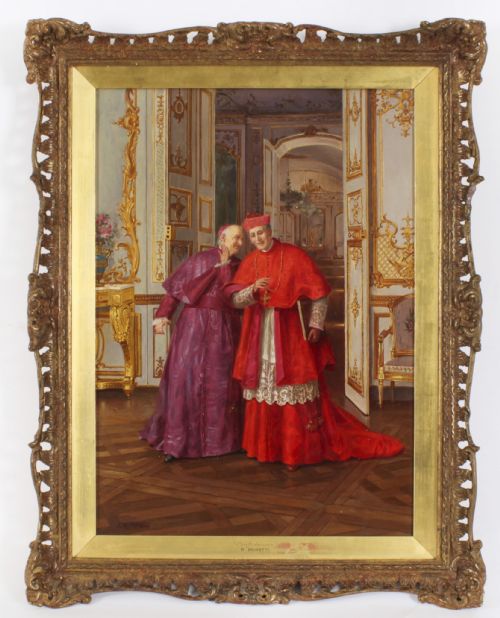
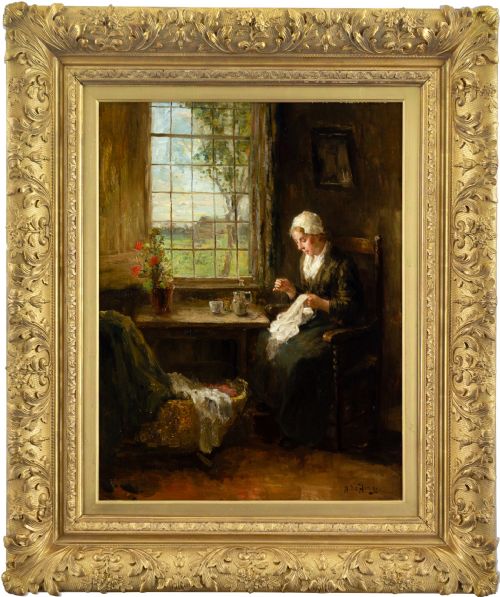
Interior portrait artwork brings domestic rooms and studies into focus through oil and watercolour, capturing people and animals within their spaces.
Interior Portrait Artwork
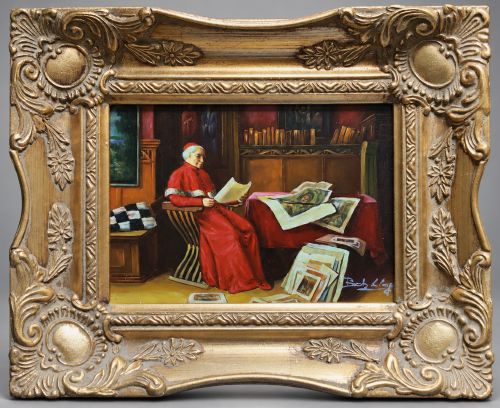
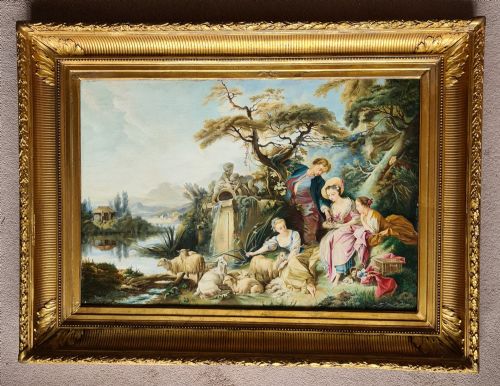
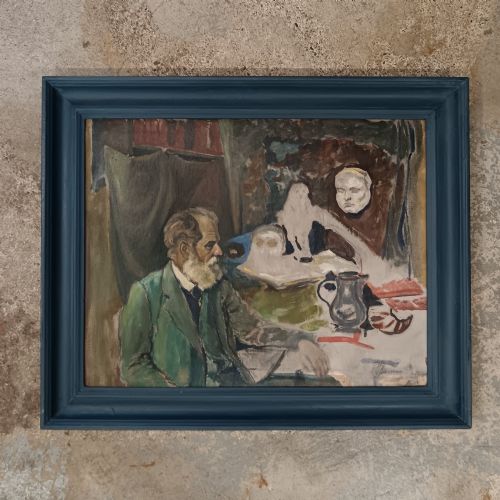
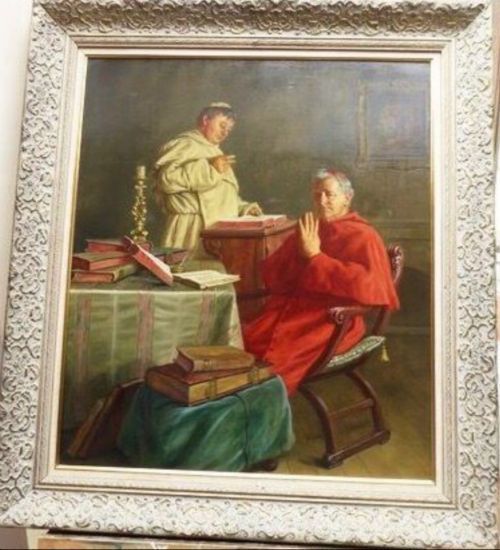
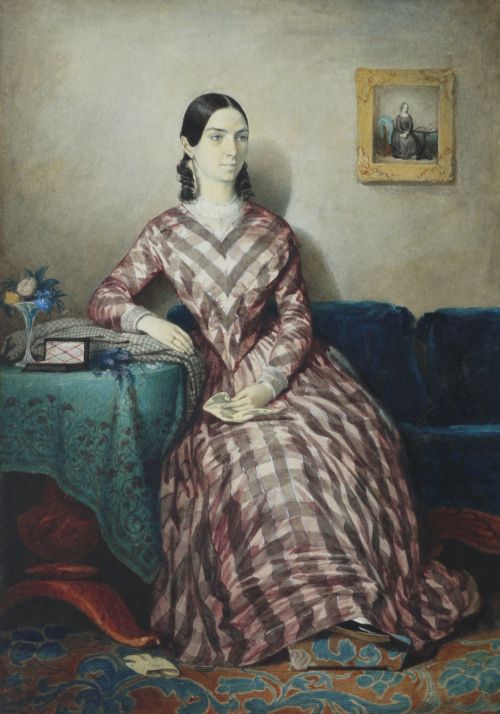
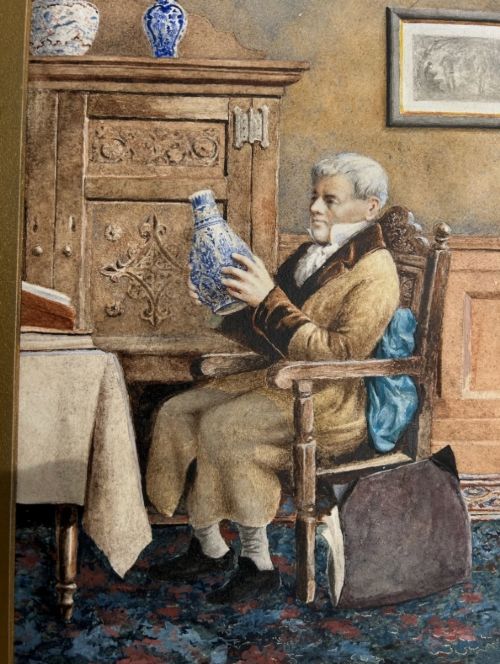
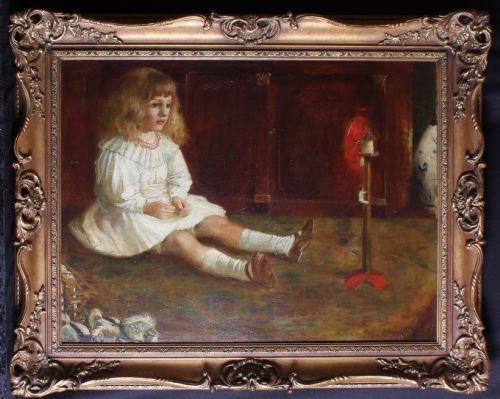
Interior portrait artwork encompasses painted scenes where figures or animals are placed within domestic rooms, church interiors, or structured settings. These works bridge portraiture and genre painting, recording both the individual and the domestic or working environment they inhabit.
Most pieces encountered here hail from the nineteenth century into the mid-twentieth century, shifting from Victorian narrative compositions to later impressionist and modernist interior views. Canvas, wood panels, and paper support oil paint, watercolours, and occasionally reverse painting on glass.
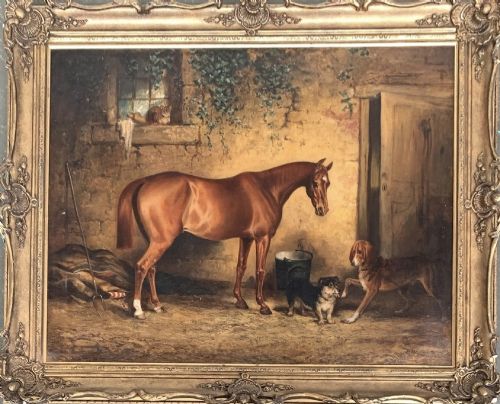
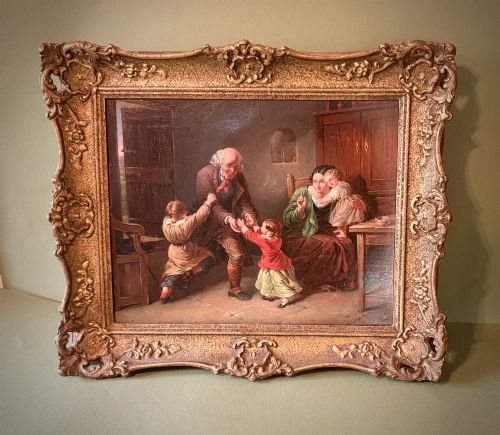
Subjects range from cardinals at tables and quiet hours by windows to horses in stables and family groups in parlours. The balance between the person portrayed and the surrounding architecture defines the character of each piece.
Materials and construction
Painters relied primarily on oil paint applied to stretched canvas, wooden panels, or rigid board, while watercolours used paper supports often protected behind glass. Heavier frames incorporate giltwood, gesso, and gold leaf to house these paintings securely.
Techniques varied from tight academic realism to looser impressionist brushwork, depending on the period and the maker's training. Pigments were worked wet-in-wet or built up in transparent glazes to capture the play of light across interior furnishings and fabrics.
Interior Portrait Artwork Retail Price Guide 2026
Typical asking prices for interior portrait artwork among the pieces listed under this phrase on Sellingantiques today, from the lower quarter to the upper quarter. They describe what is for sale here now, not the wider market.
Several cats, a terrier, and numerous horses manage to steal focus from their human owners across these domestic interior scenes.
Distinctions in execution
Quality rests in the handling of light and shadow within the enclosed space, where master painters define textures of wood, cloth, and skin with confident brushwork. Weaker examples lean on stiff poses and flat, unconvincing backgrounds lacking atmospheric depth.
The precision of spatial perspective and the psychological engagement of the subject distinguish superior pieces from mass-produced domestic decor. Anatomical accuracy in human and animal figures further separates accomplished academic works from simpler studio output.
Henry Barraud·Ernst Stierhof·Alessandro Cittadini·Henry Stacy Marks·Max Kaltenmoser·Bernard De Hoog·David Teniers The Younger·Renato Moretti·Byam Shaw·Benjamin Eugene Fichel·Albert Clark·John Watkins Chapman·Charles Haigh Wood·Frank Moss Bennett·Haynes King·James Kyd·Robert Eadie·William Henry Knight·Benjamin Cam Norton·Edwin Frederic Holt·Quirijn Van Brekelenkamp·Hans Temple·Roland Batchelor
The Interior Portrait Artwork Glossary
- Genre painting
- Depiction of aspects of everyday life by depicting ordinary people engaged in common activities. These scenes often take place inside domestic interiors or workshops.
- Oil on canvas
- A painting medium where pigments are bound with drying oils and applied to woven fabric stretched across a wooden frame. This combination allows for rich colour depth and textured application.
- Panel painting
- A painting executed on a flat piece of wood rather than canvas or paper. Wooden supports were common in earlier works and provide a rigid surface for detailed brushwork.
- Giltwood
- Wood carved and covered with a thin layer of gold leaf or metallic powder. It frequently surrounds antique oil paintings within decorative frames.
- Watercolour
- A paint where coloured pigments are suspended in a water-soluble vehicle. Applied to paper, it creates translucent washes of colour.
Interior Portrait Artwork: Frequently Asked Questions
What defines interior portrait artwork?
These pieces combine portraiture with interior scenes, placing human figures or animals inside specific rooms, studies, or stables. The surrounding architecture and furnishings share importance with the main subject.
Unlike standard head-and-shoulders portraits, these artworks tell a story about the sitter's environment, daily habits, or social standing through visible background details.
How do I date these paintings?
Dating relies on costume, interior furnishings, painting style, and the physical materials of the canvas or panel. Nineteenth-century works often feature elaborate Victorian dress and heavy gilt frames, while twentieth-century examples shift towards modernist or impressionist simplification.
Signatures, exhibition labels on the reverse, and biographical dates of the artist provide the most reliable chronological anchors.
Where should I hang an oil painting?
Oil paintings on canvas or panel prefer stable indoor environments away from direct sunlight and extreme humidity fluctuations. Hang them on interior walls where temperature changes remain minimal to protect the paint surface and wooden stretcher bars.
Keep them clear of direct heat sources like radiators to prevent the canvas from slackening or the wood from splitting over time.
How do I care for watercolour pieces?
Watercolour paintings require protection behind glass because the pigments and paper are sensitive to moisture and ultraviolet light. Direct sunlight causes fading, so position them away from bright windows.
Dust the frames gently with a dry cloth and avoid using liquid cleaners near the exposed paper margins or mount board.