





Inlaid Display Columns
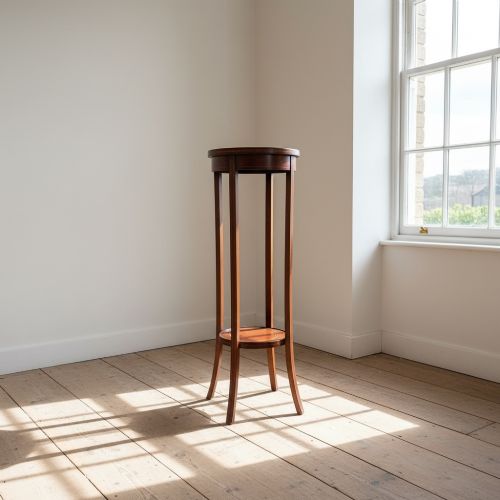
Inlaid display columns are slender timber supports designed to elevate ornaments, holding objects securely while introducing decorative woodwork to a corner or reception room.
Inlaid Display Columns
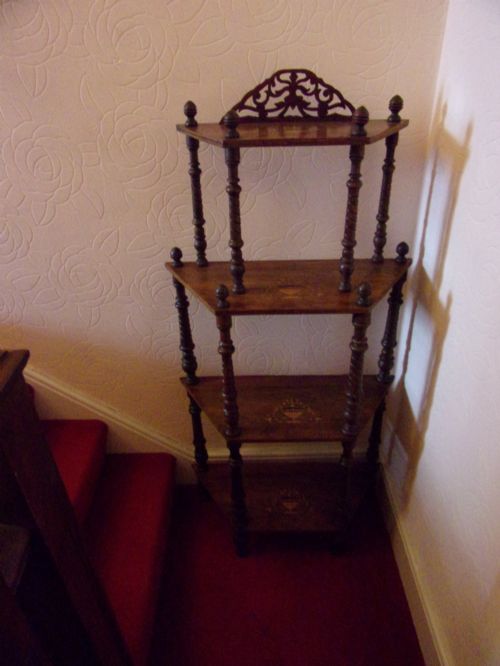
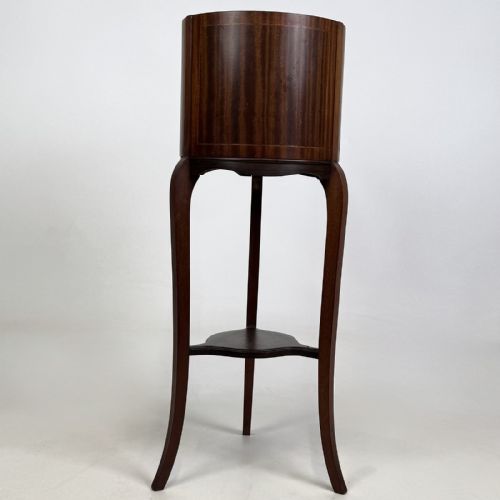
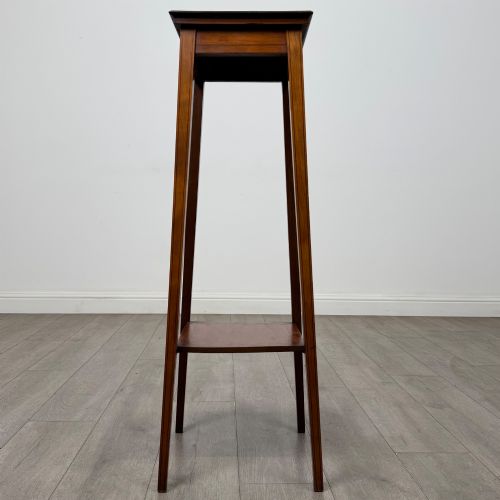
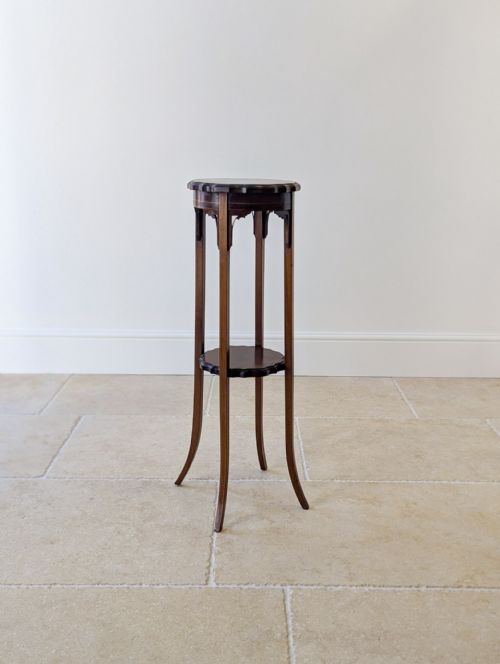
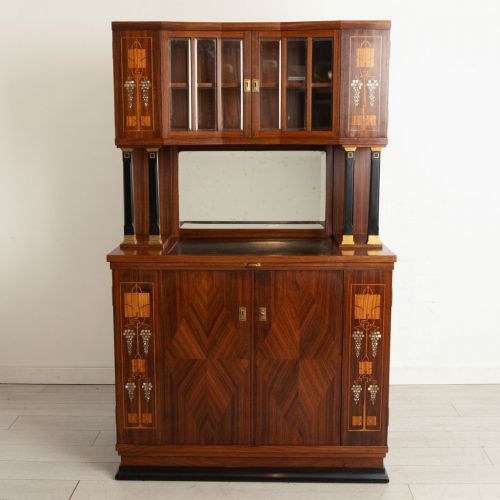
When searching for inlaid display columns, a buyer encounters tall timber stands, plant stands, pedestals, vitrines, and multi-tiered whatnots designed to hold decorative objects. These pieces originate from various nineteenth-century and Edwardian eras, spanning Victorian workshops to continental cabinet makers.
The versions most frequently met on this page are Edwardian mahogany plant stands and pedestals featuring delicate boxwood inlay, alongside French vitrines and walnut whatnots. They serve to raise ceramics, bronzes, or plants to eye level within a room.
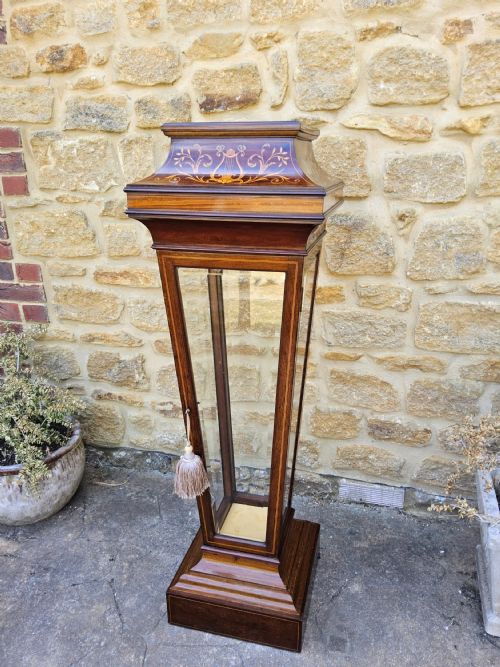
Forms range from simple single columns and torchères to complex four-tier corner whatnots and glass-panelled bijouterie cabinets. Each variation provides a distinct method for displaying smaller decorative items across domestic spaces.
How they were made
Cabinet makers utilised dense hardwoods including mahogany, walnut, rosewood, and satinwood as the primary structural foundations for these tall stands. Timber veneers and solid boards were selected for their grain patterns before artisans added contrasting stringing.
Decoration relied heavily on boxwood inlay and brass mounts, creating linear patterns, floral motifs, or geometric borders across table tops, door panels, and column shafts. Glass panels were integrated into vitrines and display cabinets to enclose delicate items.
Inlaid Display Columns Retail Price Guide 2026
Typical asking prices for inlaid display columns among the pieces listed under this phrase on Sellingantiques today, from the lower quarter to the upper quarter. They describe what is for sale here now, not the wider market.
Listings feature mahogany, walnut, satinwood, and rosewood constructions, spanning Victorian, Edwardian, and Viennese Secessionist periods.
What varies in quality
The standard of timber selection and veneer matching defines the upper tier of these pieces, where striking grain patterns remain uninterrupted across visible surfaces. Lesser examples utilise plain secondary timbers with minimal attention paid to grain continuity.
Precision in the boxwood inlay distinguishes finer workshop output, showing crisp, tight joints without visible gaps or excessive filler. Simpler items display broader, less intricate stringing executed with less refinement.
August Ungethüm
The Inlaid Display Columns Glossary
- Torchère
- A tall, slender stand traditionally intended to support a light source or candle, adapted in later periods for decorative ornaments and plant pots.
- Étagère
- A piece of furniture consisting of open shelves for displaying small objects and ornaments, often rising in decreasing tiers.
- Vitrine
- A glass-panelled display cabinet designed to protect and showcase delicate porcelain, bijouterie, and small collectables.
- Whatnot
- A freestanding piece of furniture comprising multiple open shelves supported by slender columns, used for holding books or decorative items.
Inlaid Display Columns: Frequently Asked Questions
What is an inlaid display column used for?
These tall stands and pedestals serve to elevate plants, sculptures, and decorative objects above floor level, drawing the eye upwards.
They function practically in corners or reception rooms where floor space is limited but vertical display height is desired.
How do I identify an Edwardian plant stand?
Edwardian plant stands typically feature lighter timbers such as mahogany or satinwood, often decorated with delicate boxwood stringing and cabriole legs.
They generally date from the early twentieth century and display a lighter, more refined aesthetic than earlier Victorian iterations.
Where should I place a glass vitrine?
Glass vitrines require a stable location away from direct sunlight to protect delicate contents and timber finishes from fading.
They suit principal rooms where enclosed shelves safely showcase fragile porcelain or collectable objects.