




Ink Wash Art
Ink wash art brings together delicate tonal depth and precise line work across centuries of English, European, and Asian traditions.
Ink Wash Art
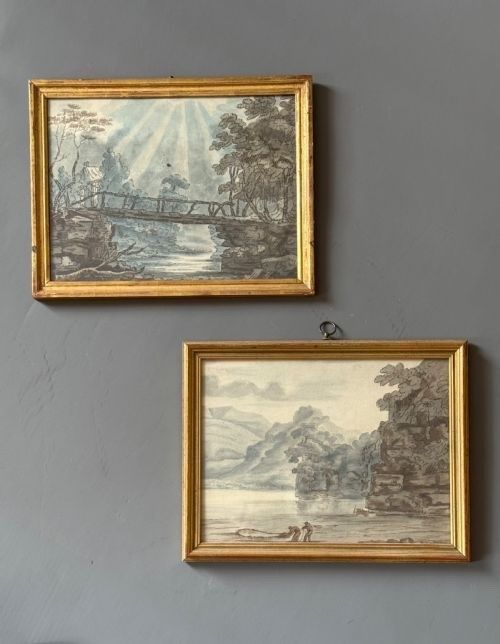
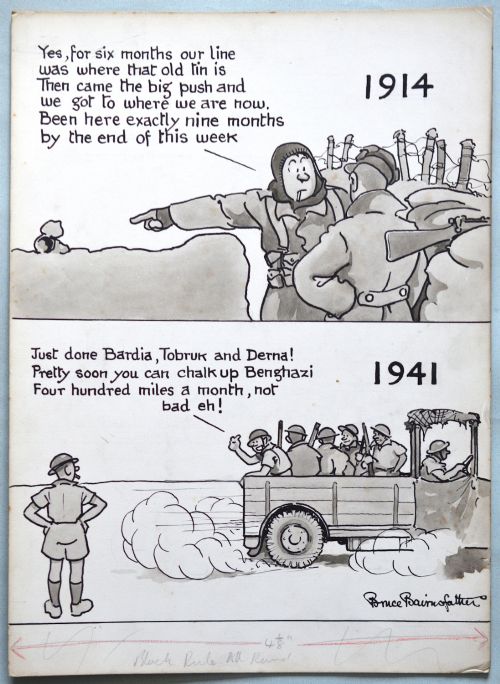
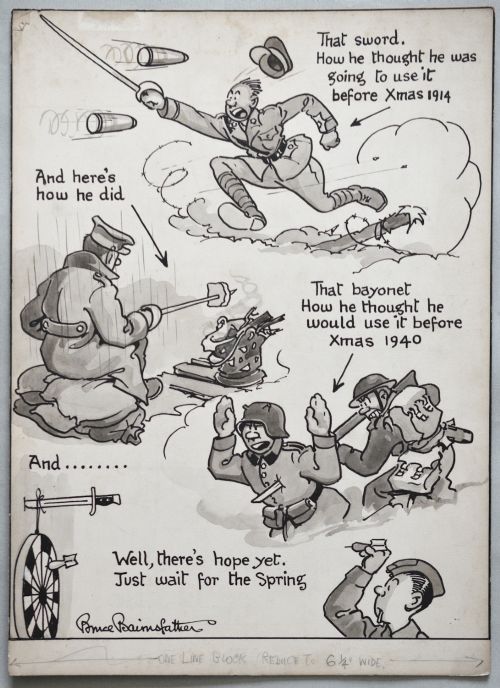
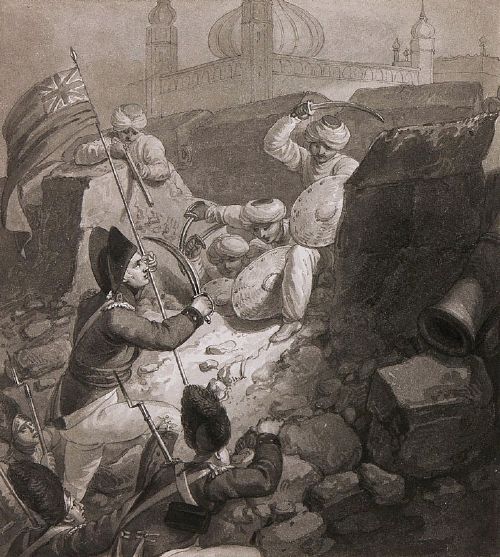
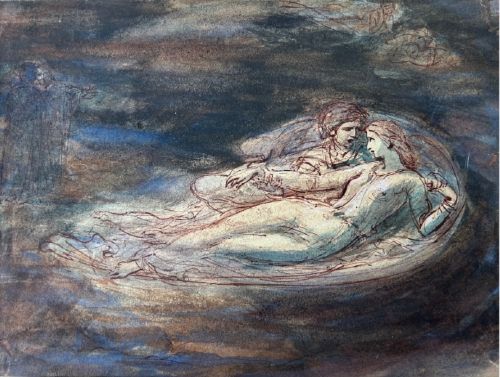
Ink wash art encompasses original drawings, landscape studies, and illustrative sketches executed primarily on paper surfaces. When searching for ink wash art, collectors encounter works ranging from eighteenth-century Georgian topographical views to twentieth-century satirical illustrations and portraits.
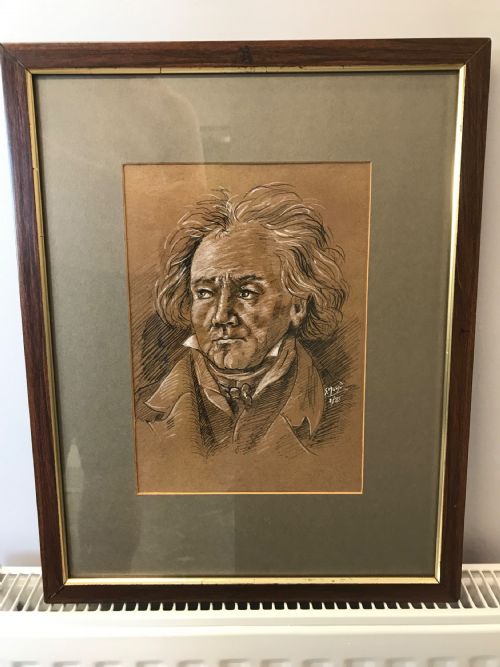
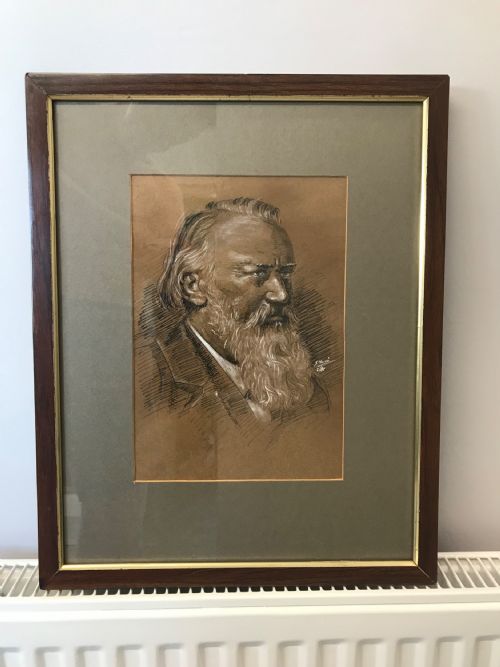
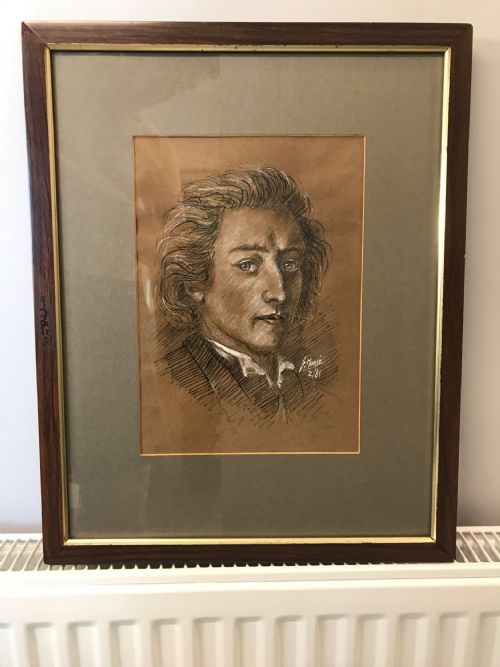
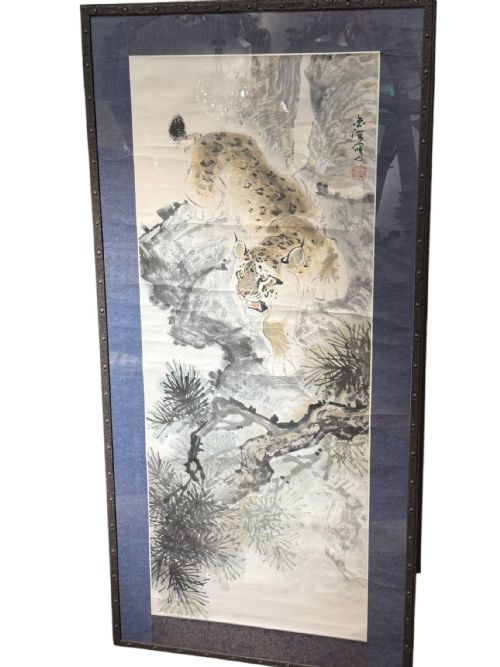
The selection includes framed artworks and paintings utilising pen, wash, sepia ink, and gouache. Pieces span the nineteenth century, the 1930s, and later twentieth-century periods, alongside Chinese scrolls and brush washers.
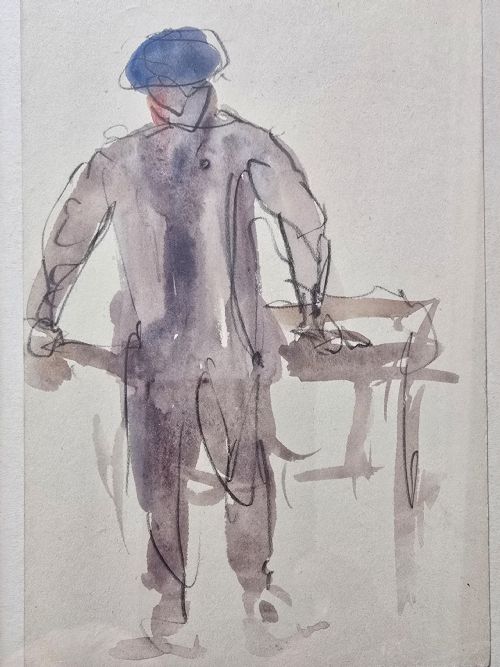
Early examples feature British and European landscapes, equestrian scenes, and classical compositions. Later periods introduce character studies, townscapes, and expressive brushwork on paper.
Materials and technique
Makers utilised paper as the primary support, applying fluid mediums such as ink, sepia ink, and watercolours to build tone and depth. Wash techniques allowed artists to create subtle gradients and shadows behind sharp pen or pencil lines.
Gouache frequently supplemented ink and wash works to add opaque highlights and colour accents. Wood and glass typically enclose framed pieces, while specialised items like scholar's brush washers demonstrate carving in materials such as buffalo horn.
Ink Wash Art Retail Price Guide 2026
Typical asking prices for ink wash art among the pieces listed under this phrase on Sellingantiques today, from the lower quarter to the upper quarter. They describe what is for sale here now, not the wider market.
Listings feature works spanning the eighteenth century through to the modern era, executed on paper using ink, wash, gouache, and watercolour.
Assessing quality
Quality rests upon the sureness of the line and the control of the wash. Skilled draughtsmanship achieves depth and atmosphere with minimal strokes, whereas lesser execution leaves muddy tones or stiff lines.
Condition of the paper and stability of the ink also distinguish pieces. Well-preserved works maintain crisp contrast between dark inks and lighter washes without excessive fading or discoloration from age.
Bruce Bairnsfather·William Marshall Craig·Michael Healy·Stanley Orchart·Edward Dayes·Thomas Rowlandson·Johan Noah Bemmel·Fred Lawson·Theobald Chartran·Peter Tillemans·Thomas Monro·Thomas Lound
The Ink Wash Art Glossary
- Wash
- A technique where diluted ink or watercolour is applied in thin layers to create smooth tonal gradations. It provides depth and shadow in monochrome compositions.
- Gouache
- An opaque water-based paint that includes a binding agent and white pigment to increase opacity. Artists use it to introduce highlights over ink drawings.
- Sepia ink
- A brown pigment traditionally derived from the ink sac of the cuttlefish. It creates warm, earthy monochromatic tones common in eighteenth and nineteenth-century sketches.
- Scroll
- A length of paper or silk mounted for rolling, traditional in Asian art formats. They protect delicate ink paintings when stored.
Ink Wash Art: Frequently Asked Questions
How should I display ink wash art?
Keep framed pieces out of direct sunlight to prevent the paper and ink from fading over time. UV-filtering glass provides essential protection for works on paper.
Ensure hanging locations experience stable humidity levels to avoid warping the paper or damaging the mount and frame structure.
What is the difference between ink and wash?
Ink refers to the concentrated linear marks made with a pen or brush to define shapes and details. Wash involves thinning that same ink or pigment with water to create broad, translucent shadows and tones.
Combined, the two techniques produce both sharp outlines and atmospheric depth within a single monochromatic drawing.
How do I care for antique paper art?
Minimise handling of the physical paper and leave mounting to professional framers using acid-free materials. This prevents chemical degradation and yellowing of the sheet.
Store unframed drawings flat in archival boxes within temperature-controlled environments away from damp walls.
Are Chinese scrolls framed differently?
Traditional scrolls are mounted on silk or paper backings designed for rolling rather than rigid wooden frames behind glass. They require specific hanging methods using traditional cords.
When unrolled for display, they need gentle handling to avoid creasing the delicate paper surfaces.