




Ink and Wash Drawing
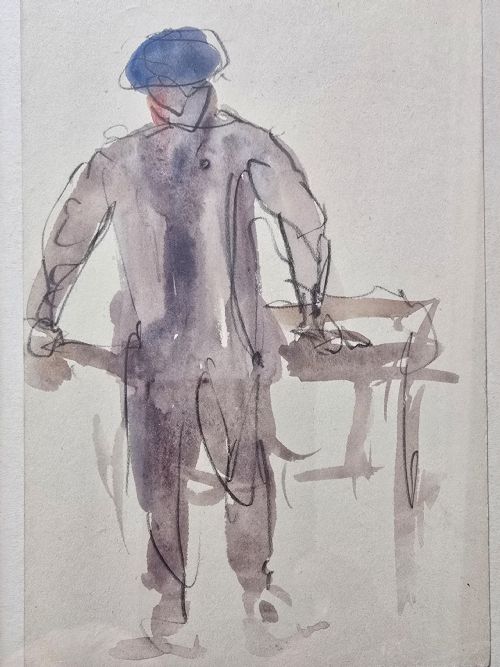
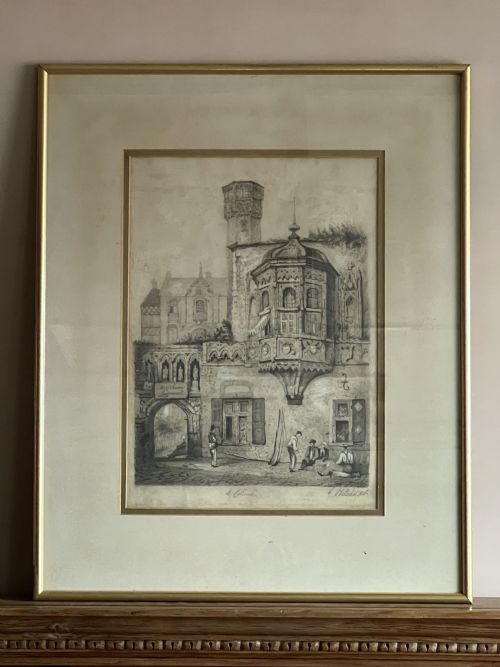
An ink and wash drawing offers a direct encounter with an artist's hand, combining linear precision with tonal depth on paper.
Ink and Wash Drawing
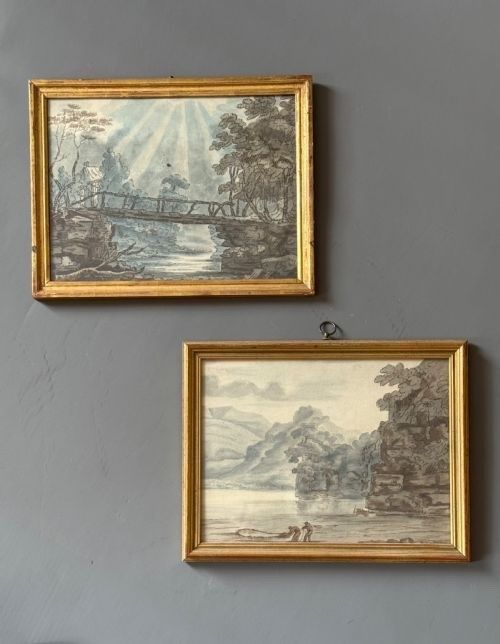
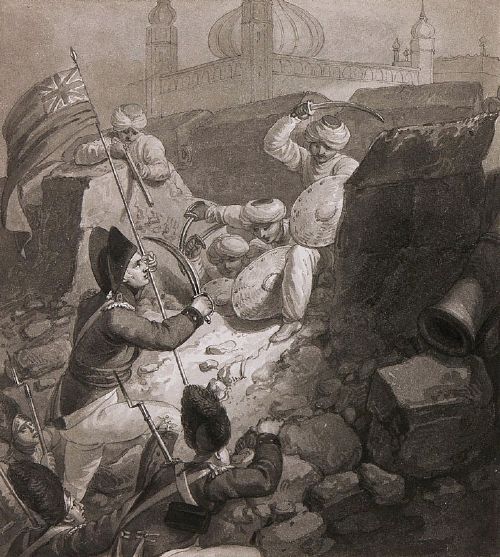
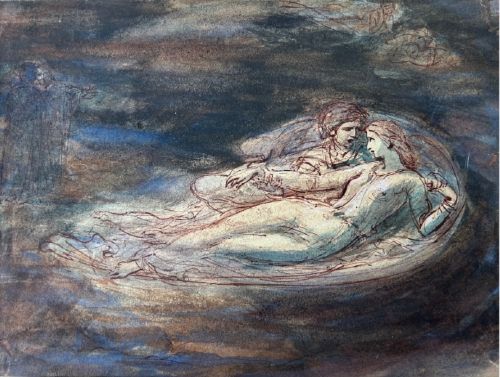
An ink and wash drawing combines sharp pen lines with diluted pigment to create shadow and volume on paper. When searching this phrase, buyers encounter original works ranging from eighteenth-century landscapes to twentieth-century illustrations.
The pieces on this page appear in various formats, including framed artwork and loose sketches. British and European creators from the Georgian era through the mid-twentieth century dominate the selection.
Landscape studies and figurative portraits represent the most common forms available. Artists utilised these mediums both as preparatory sketches and as finished exhibition pieces.
How they were made
Makers applied iron gall or carbon ink using quill or steel nibs to establish the primary contours and details. They then introduced washes of sepia, grey, or watercolour pigments using soft hair brushes.
Support materials consist primarily of handmade or early machine-made paper. Occasional touches of gouache provide highlights, while wood and glass typically comprise the modern or period framing.
Ink and Wash Drawing Retail Price Guide 2026
Typical asking prices for ink and wash drawing among the pieces listed under this phrase on Sellingantiques today, from the lower quarter to the upper quarter. They describe what is for sale here now, not the wider market.
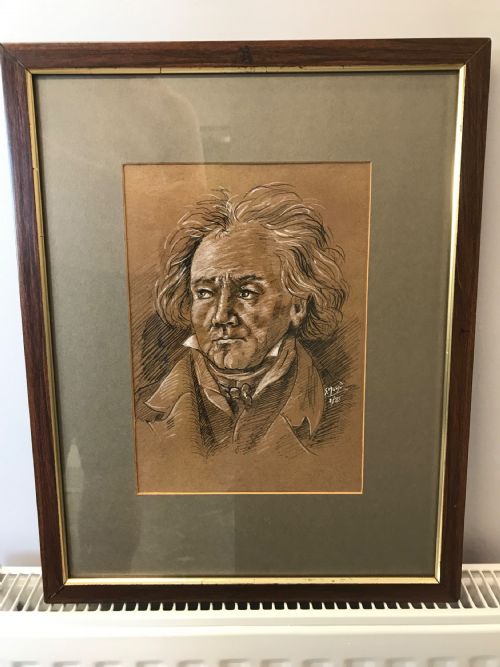
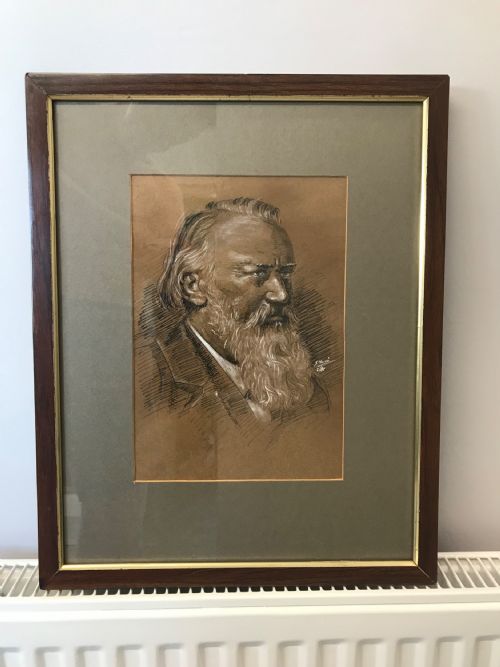
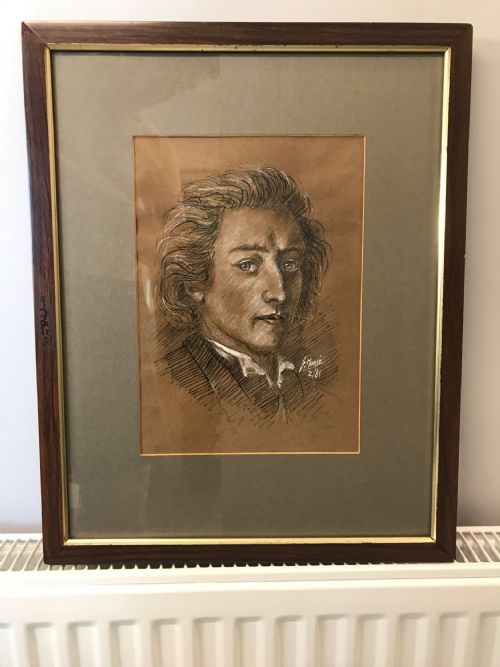
Several artists preferred sketching unruly donkeys and moody composers over polite society.
What varies in quality
The confidence of the initial ink line separates skilled draughtsmanship from hesitant execution. A master artist establishes form and perspective with minimal, purposeful strokes.
Wash control dictates the tonal harmony of the piece. Superior examples display subtle gradations of pigment without muddying the underlying paper or dissolving the ink lines.
Bruce Bairnsfather·William Marshall Craig·Edward Dayes·Thomas Rowlandson·Fred Lawson·Peter Tillemans·Thomas Lound
The Ink and Wash Drawing Glossary
- Wash
- A thin, transparent layer of diluted ink or watercolour applied to paper to create shadow and depth. It provides background atmosphere behind linear ink work.
- Gouache
- An opaque watercolour paint containing a binding agent, used to add solid highlights and opaque details to a drawing. It sits on top of the paper rather than sinking in.
- Iron gall ink
- A durable, dark writing fluid made from tannin and iron salts that darkens over time. Historic artists favoured it for its permanent binding to paper fibres.
- Sepia
- A brownish pigment originally derived from the ink sac of the cuttlefish. It remains a defining colour in eighteenth and nineteenth-century tonal sketches.
- Draughtsmanship
- The skill and accuracy with which an artist renders lines and proportions. It forms the structural foundation of any finished drawing.
Ink and Wash Drawing: Frequently Asked Questions
How should I frame an ink and wash drawing?
Protect the paper from direct sunlight and moisture by using acid-free mountboard and UV-filtered glass. Keep the artwork spaced slightly away from the glass to prevent condensation damage.
Traditional wooden frames complement the age of these works. Ensure a professional framer seals the back to keep out dust and insects.
Are these drawings preparatory studies or finished works?
Artists produced ink and wash pieces for both purposes. Many eighteenth and nineteenth-century examples served as quick landscape notes made during travels.
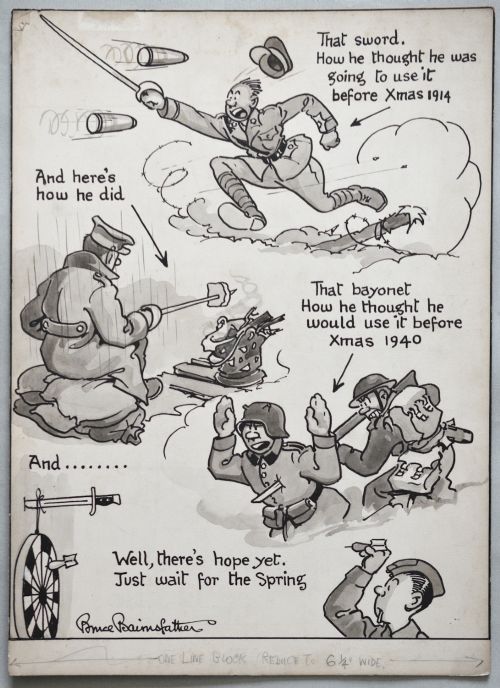
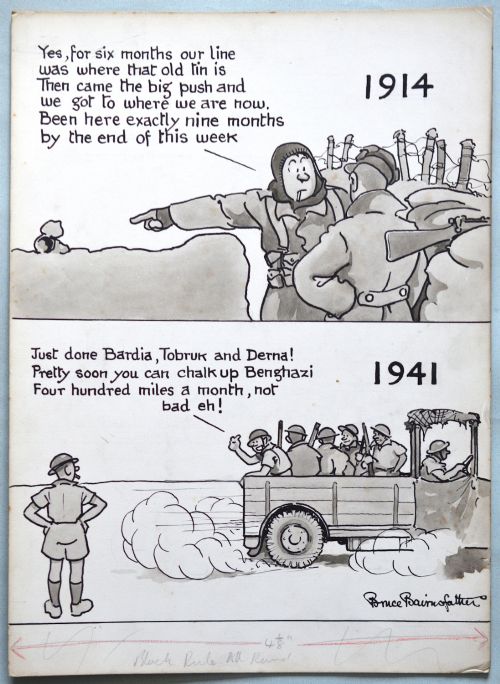
Other items functioned as standalone satirical illustrations or detailed portraits intended for public exhibition. Signatures and paper size often indicate whether a piece was meant to stand alone.
How do I distinguish between an original drawing and a print?
Examine the surface under a magnifying glass to check for ink pooling and brush strokes. Original drawings show the indentation of the pen nib into the paper fibres.
Prints reveal microscopic dot patterns or uniform ink absorption without dimensional layering. The reverse of the paper may also show ghost impressions of the wash.
Why do some inks change colour over time?
Historic iron gall ink undergoes a chemical oxidation process that can turn deep black lines into a warm brown tone. This natural ageing process helps experts date works accurately.
Paper stock also yellows due to acidic sizing used in historic manufacturing. Both characteristics are accepted signs of genuine age.