



Industrial Display Stand
An industrial display stand brings genuine utilitarian function into a modern interior through robust metal and timber construction.
Industrial Display Stand
An industrial display stand is a functional piece originally designed for commercial workshops, bakeries, and retail spaces during the nineteenth and early twentieth centuries. These versatile objects encompass baker's racks, shop fittings, adjustable easels, and pedestals intended for heavy daily use.
The selections available here range from Victorian ironwork and French patisserie racks to early twentieth-century brass stands and oak display counters. Robust materials such as cast iron, wrought iron, brass, steel, pine, and oak dominate the surviving examples on this page.
Buyers are most likely to encounter sturdy metal and timber combinations reflecting utilitarian origins, from large baker's racks to adjustable studio easels. These pieces bridge commercial utility and domestic display through practical construction and honest wear.
Materials and construction
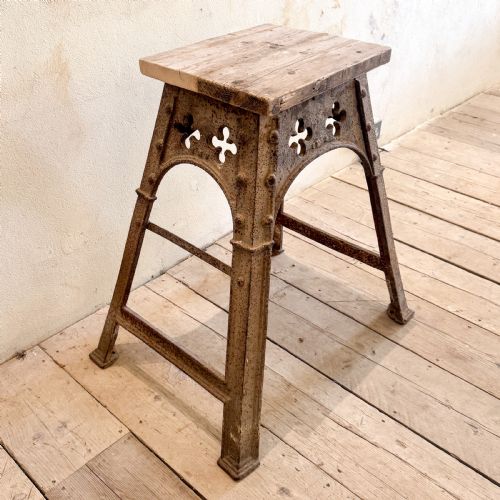
Makers utilised durable metals including cast iron, wrought iron, brass, and steel to construct the rigid load-bearing frameworks of these stands. Structural elements often feature riveted or welded joints designed to withstand heavy commercial loads in shops and bakeries.
Timber components such as oak, pine, and general hardwoods provide contrasting shelving and surfaces within the metal skeletons. Artisans combined these raw materials using traditional joinery and mechanical fastenings like screw threads and adjustable brackets.
Industrial Display Stand Retail Price Guide 2026
Typical asking prices for industrial display stand among the pieces listed under this phrase on Sellingantiques today, from the lower quarter to the upper quarter. They describe what is for sale here now, not the wider market.
Listings feature pieces spanning the Victorian era through the 1930s, constructed from brass, cast iron, wrought iron, steel, pine, and oak.
Assessing quality
The distinction between standard utility items and superior pieces rests upon the sophistication of the metalwork, such as intricate scroll-work on iron bakery racks or fully adjustable mechanisms on artist's easels. Heavier gauge metals and higher grade timbers indicate more ambitious original commissions.
Original surface patination and authentic manufacturer stamps elevate a piece above standard workshop equipment. The presence of functional mechanical adjustments that remain operable demonstrates careful original engineering.
Siegel
The Industrial Display Stand Glossary
- Baker's rack
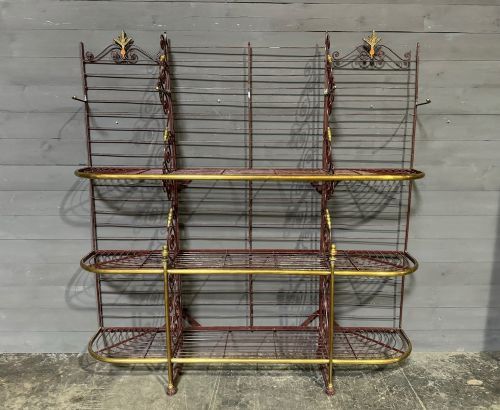
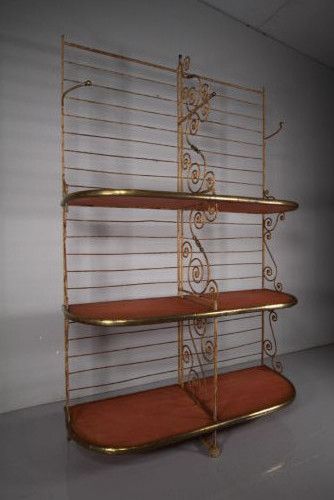
- A tall metal shelving unit originally utilised in commercial French boulangeries for cooling and storing baked goods. These racks typically feature heavy wrought iron frames and multiple open tiers.
- Hat stretcher
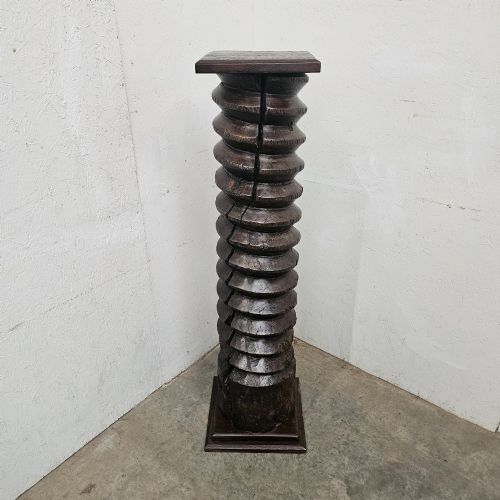
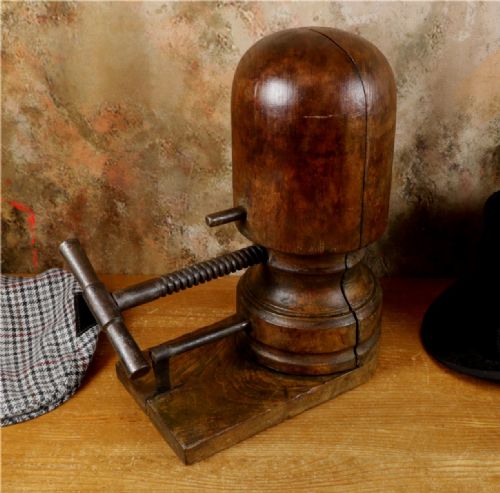
- A wooden device operated by a screw thread to expand and shape millinery. These functional objects double as sculptural display stands for hats and wigs.
- Patisserie rack
- A commercial metal shelving stand designed for French pastry shops. They exhibit utilitarian iron construction suited to daily retail use.
- Studio easel
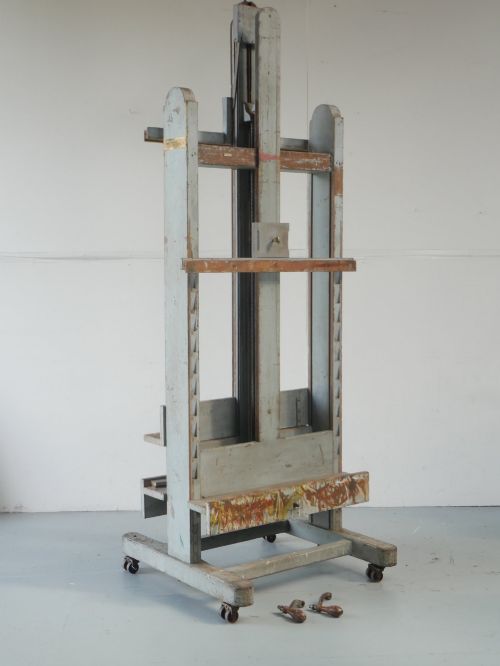
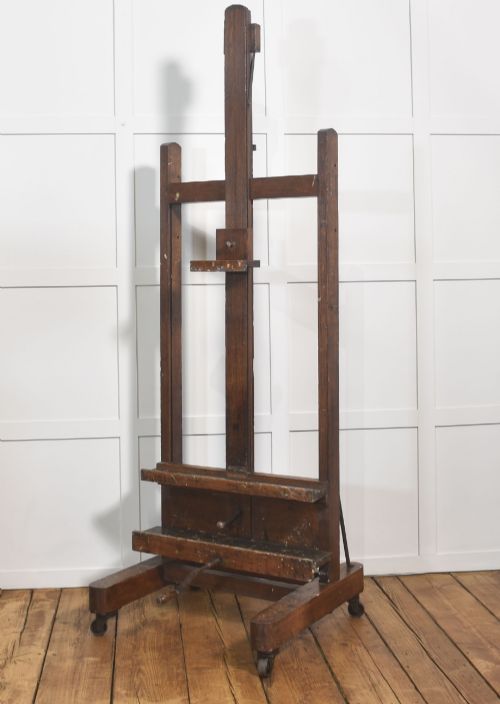
- A heavy wooden or metal stand utilised by artists to support canvases during painting. Many surviving examples feature adjustable heights and rotating mechanisms.
- Shop fitting
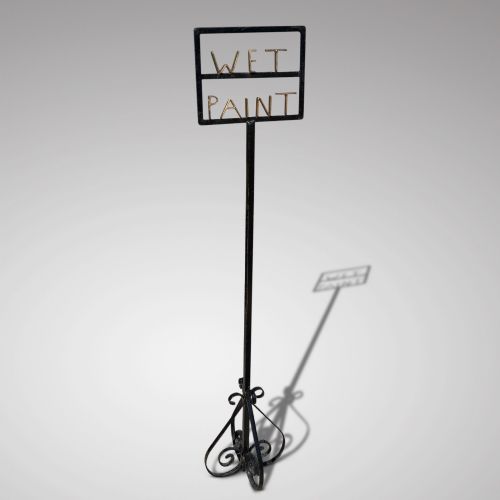
- Fixtures and furniture built specifically for commercial retail environments. This category includes display counters, stands, and paper roll dispensers.
Industrial Display Stand: Frequently Asked Questions
What is an industrial display stand?
An industrial display stand is a utilitarian furnishing originally built for commercial, retail, or studio use in the nineteenth and early twentieth centuries. They encompass items such as baker's racks, shop fittings, and adjustable easels.
These pieces combine robust metals like cast iron and brass with timber surfaces to create functional storage and display structures.
How were baker's racks used?
Baker's racks were utilised in commercial bakeries and patisseries for cooling, storing, and displaying freshly baked bread and pastries. Their open metal shelving permitted air circulation around hot pans.
Today, these tall wrought iron structures serve as versatile shelving units for kitchens, living spaces, and retail displays.
How do I date an iron stand?
Dating an iron display stand involves examining the manufacturing techniques, such as hand-wrought details versus machine-cast components. Victorian and nineteenth-century pieces often display heavier scroll-work and simpler mechanical adjustments.
Later pieces from the early twentieth century frequently incorporate brass elements, simpler lines, or manufacturer stamps characteristic of Art Deco and industrial periods.
How do I style an industrial stand?
Industrial stands integrate well into contemporary interiors by providing textural contrast through exposed metal frameworks and weathered timber. They function effectively as plant stands, bookshelf units, or kitchen storage.
Their neutral metallic and wood tones allow them to complement both modern minimalist spaces and traditional rustic rooms.