



Indian Folk Art Painting
These pieces of indian folk art painting bring together rich traditional pigment and narrative craft from diverse regional workshops.
Indian Folk Art Painting
When you search for indian folk art painting, you encounter a range of traditional visual expressions spanning multiple centuries. These works include large temple textiles, wall cloths depicting narrative scenes, and polychrome wooden sculptures.
The most common examples on this page date from the nineteenth century and the Edwardian period, often reflecting regional traditions such as Rajasthani or Kalamkari styles. Buyers find both textile wall hangings and painted wooden objects that capture traditional narratives.
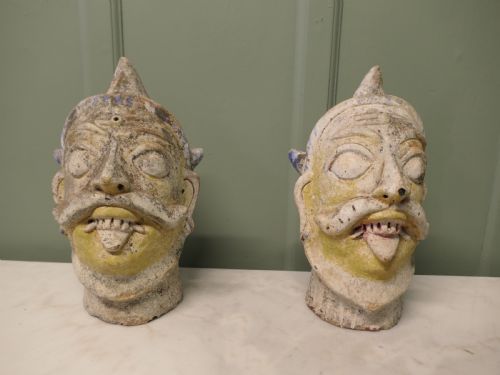
Beyond flat paintings on cotton or cloth, the selection extends to painted wooden figures, shrines, and architectural elements like tent pole tops. Each piece showcases the hands of traditional makers working with natural pigments and lime wash.
Materials and Methods
Makers utilised natural dyes and mineral pigments applied directly to woven cotton or prepared wooden surfaces. Many textile pieces employ traditional Kalamkari techniques where colours are mordant-painted or block-printed.
Wooden items, including cupboards, rocking horses, and sculptural figures, feature carved details finished with polychrome paint and lime wash. These surface treatments protected the wood while providing a vibrant base for narrative storytelling.
The combination of organic materials such as wood, terracotta, and cotton reflects regional resource availability and traditional workshop practices. Artisans relied on time-honoured methods passed through generations to achieve lasting surface decoration.
Indian Folk Art Painting Retail Price Guide 2026
Typical asking prices for indian folk art painting among the pieces listed under this phrase on Sellingantiques today, from the lower quarter to the upper quarter. They describe what is for sale here now, not the wider market.
Some nineteenth century horses clearly missed their stable doors to join a lively parade of painted folk art.
Assessing Quality and Execution
Quality in these works rests upon the crispness of the hand-painted detail and the preservation of the original natural pigments. Superior pieces display confident brushwork and well-defined narrative iconography that remains clear despite age.
The integrity of the physical support, whether woven cotton cloth or carved timber, dictates the overall standard. Examples that retain their original polychrome surfaces without excessive overpainting offer a more authentic representation of the period.
The Indian Folk Art Painting Glossary
- Kalamkari
- A traditional style of hand-painted or block-printed cotton textile produced in India. This technique uses natural dyes to create intricate narrative scenes and floral motifs.
- Polychrome
- Decorated in multiple colours. This term describes wooden sculptures and architectural elements finished with various painted pigments.
- Lime wash
- A coating made from slaked lime used historically to prime walls and timber surfaces. It provides a bright, breathable base for subsequent pigment application.
- Tent pole top
- A carved architectural fixture placed at the summit of a ceremonial tent. These elements are frequently fashioned from terracotta or wood with decorative paint.
Indian Folk Art Painting: Frequently Asked Questions
What subjects do these paintings depict?
The subjects often draw from Hindu mythology and traditional epics. Pieces frequently feature figures such as Krishna with his wives or narrative scenes from temple stories.
Artisans also recorded secular village life, ceremonial processions, and royal portraits. This blend of religious devotion and folk tradition gives each piece its distinct character.
How should I care for textile wall hangings?
Textile wall hangings require protection from direct sunlight to prevent the natural dyes and pigments from fading. Displaying them in rooms with stable humidity levels helps preserve the fragile cotton fibres.
Professional framing behind UV-filtered glass provides the best defence against environmental degradation. Avoid hanging them near heat sources or in damp spaces.
How do I identify a nineteenth century piece?
Nineteenth century works typically show characteristic wear patterns in the natural pigments and organic materials. Examination of the cotton weave or the tool marks on the carved wood offers clues to the period.
Comparing the stylistic conventions of the painting with dated examples helps confirm the era. Regional variations in palette also assist in establishing chronology.