




Impressionist Rural Oil Painting
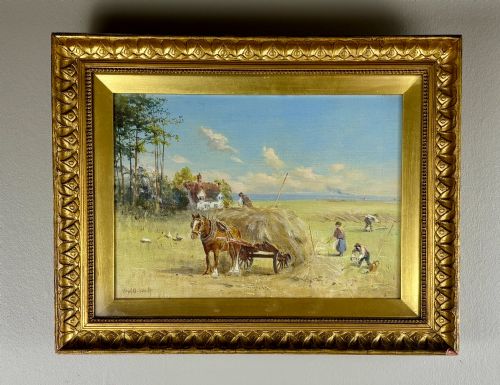
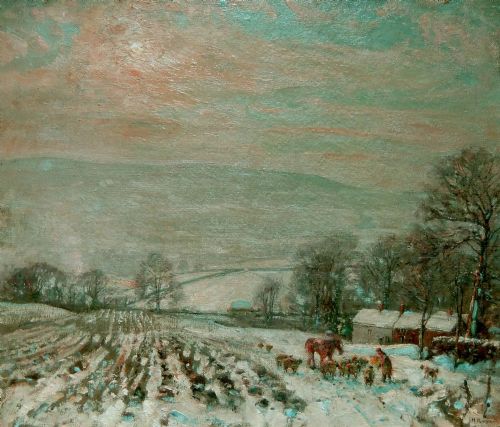
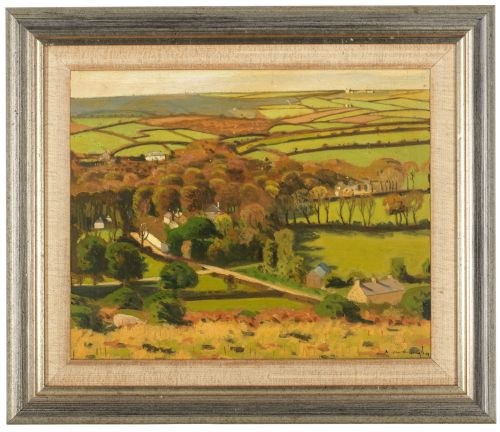
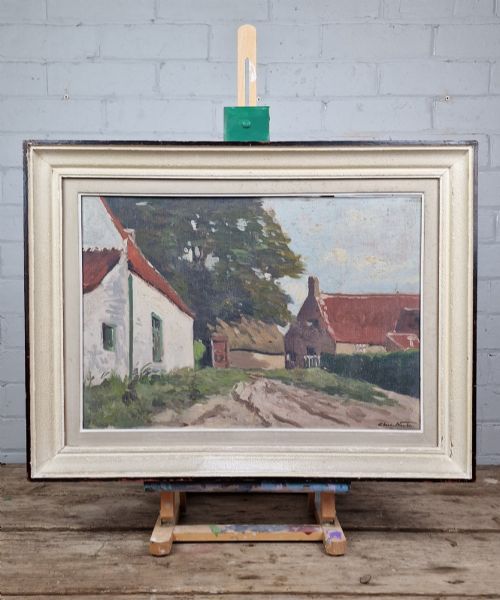
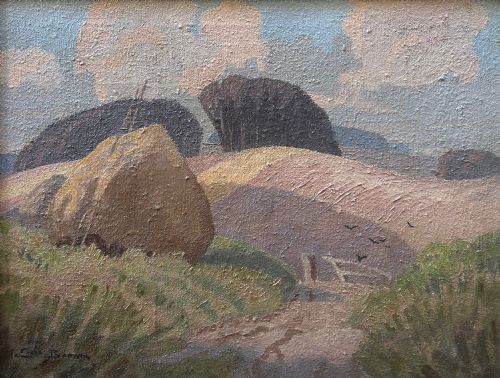
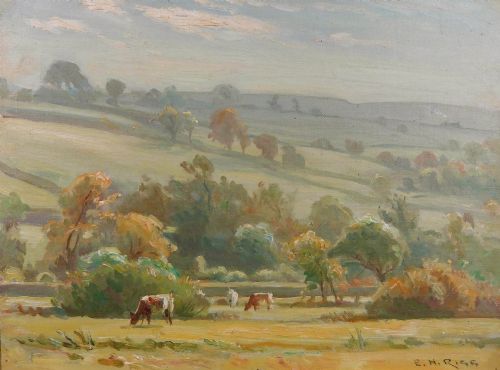
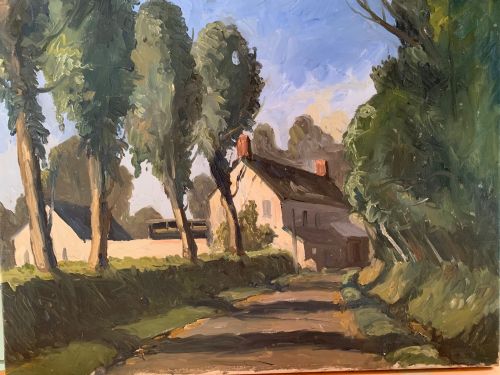
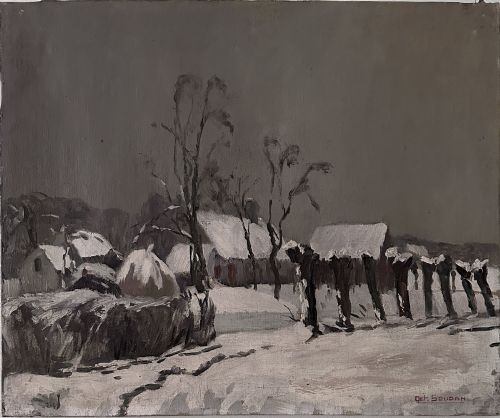
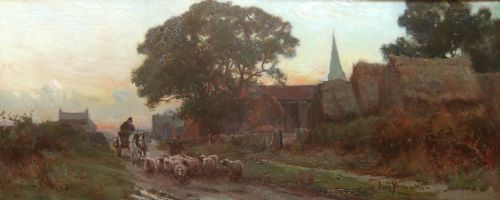
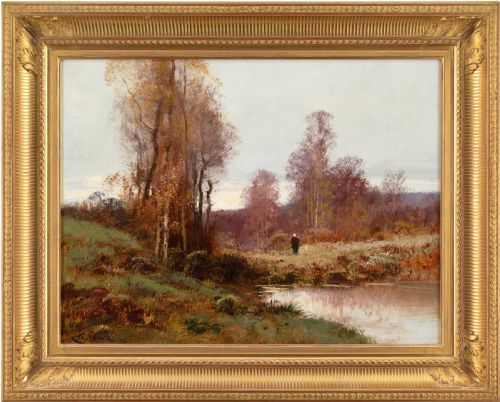
An impressionist rural oil painting captures the quiet light of fields, farms, and rivers using visible brushwork and painterly textures.
Impressionist Rural Oil Painting
When you search for an impressionist rural oil painting, you encounter works focused on countryside scenes, farmyards, and river landscapes from the late nineteenth and early twentieth centuries. These works record rural life through loose brushstrokes, prioritising atmosphere and natural light over rigid academic detail.
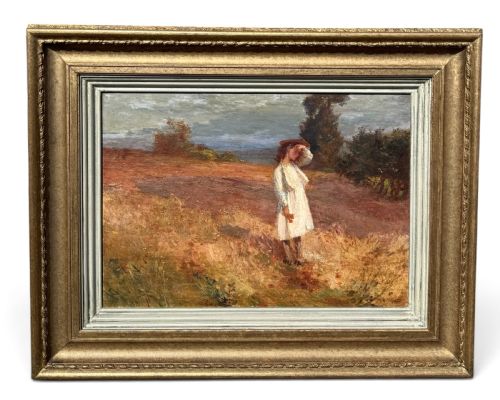
The selections available span British Impressionism, French School canvases, and regional interpretations like Scottish and Modern British landscapes. You are most likely to meet works executed on canvas or board, framed in period gilt wood, depicting haystacks, sheep grazing, or village cottages.
How they were made
Artists applied oil paint directly onto stretched canvas or wooden board, frequently building thick impasto textures to catch the light. The handling of the medium relies on rapid, expressive strokes that suggest movement in foliage, water, and clouds rather than blending every edge.
Many of these works sit within original moulded gilt wood frames that complement the tonal palette of the pigments. The support materials range from traditional linen canvas to prepared wood panels and heavy cardboards.
Listings feature canvases, boards, and wood panels from the Victorian era through the 1950s.
What varies in quality
Quality rests upon the artist's confidence in handling light and spatial depth with restricted brushwork. The strongest examples demonstrate a clear understanding of tonal relationships, where unblended strokes manage to describe form and atmosphere simultaneously.
The relationship between the subject and the painted surface dictates the merit of the piece. Lesser works rely on stiff repetition, whereas superior compositions use varied paint application to animate ordinary farmyards and country paths.
Herbert Royle·Robert Morson Hughes·Charles Houben·Ernest Higgins Rigg·Umberto Volpato·John Horace Hooper·Owen Bowen·Charles Clair·Harry Freckleton·Raimond Louis Lecourt·William JB Jenkins·Reginald Grange Brundrit·William Greaves·Willem Anton Alexander Knip·Majorie Hoare·Frederick W Jackson·William Grant Murray·James William Booth·Florence Hess·Lorenzo Headley
The Impressionist Rural Oil Painting Glossary
- Impasto
- Paint applied thickly to a canvas or board, standing out in relief from the surface. This technique allows the dried pigment to catch physical light and add tactile depth to elements like clouds or foliage.
- Post-Impressionism
- An artistic movement following impressionism that retains visible brushwork and vibrant colour while exploring heavier outlines and structural form. It bridges naturalistic light studies and twentieth-century abstraction.
- Gilt wood
- Carved or moulded timber finished with a thin layer of gold leaf or metallic gilt paint. These frames protect the edges of the canvas and provide a warm visual boundary for the rural scene.
- Board
- A rigid wooden or fibrous panel used as a painting support instead of woven fabric. Artists often favoured boards for smaller plein air sketches due to their durability and firm resistance.
Impressionist Rural Oil Painting: Frequently Asked Questions
What is an impressionist rural oil painting?
These works are artistic interpretations of countryside scenes, farms, and rivers created using loose brushwork and an emphasis on natural light. They capture fleeting atmospheric moments rather than topographical exactness.
The medium used is oil paint on canvas or board, often housed in period frames. They reflect the rural painting traditions of Britain and France during the late nineteenth and early twentieth centuries.
How should I care for an oil painting?
Keep the canvas away from direct sunlight, dampness, and rapid fluctuations in room temperature. Dust the surface very gently with a soft, dry brush without applying pressure.
Avoid using water, chemical cleaners, or damp cloths on either the painted surface or the gilt frame. Professional conservators should handle any deeper cleaning or canvas tightening.
How do I date an antique oil painting?
Examine the stretcher frames, the type of canvas or board, and any handwritten inscriptions or signatures on the reverse. Old labels from galleries or framing shops often provide reliable chronological clues.
The clothing style of figures, agricultural methods shown, and the framing materials also help narrow down the decade of creation.
Where were these rural scenes usually painted?
Artists often worked outdoors directly from nature, capturing rural spots in Yorkshire, the Cotswolds, Normandy, and Provence. They sought out quiet farmyards, hayfields, and winding country lanes.
These locations offered the changing seasonal light and pastoral subjects favoured by impressionist and post-impressionist painters.