





Impressionist Ocean Seascape
Impressionist ocean seascape paintings capture the movement and light of coastal waters using visible brushwork.
Impressionist Ocean Seascape
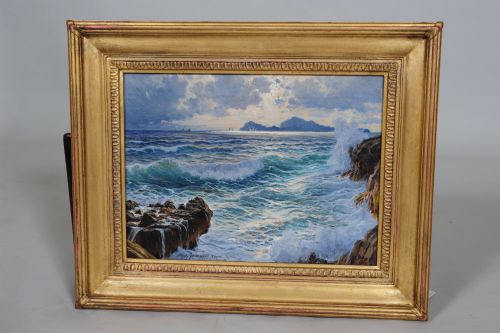
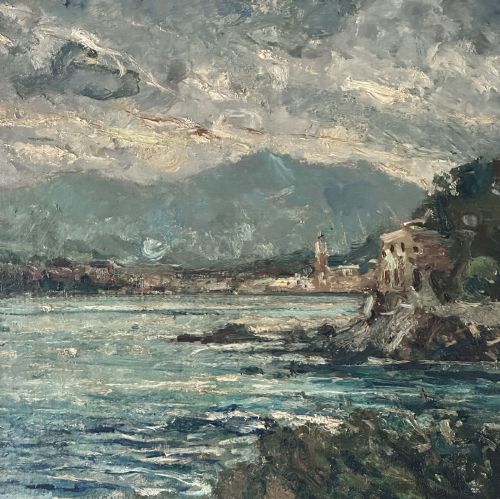
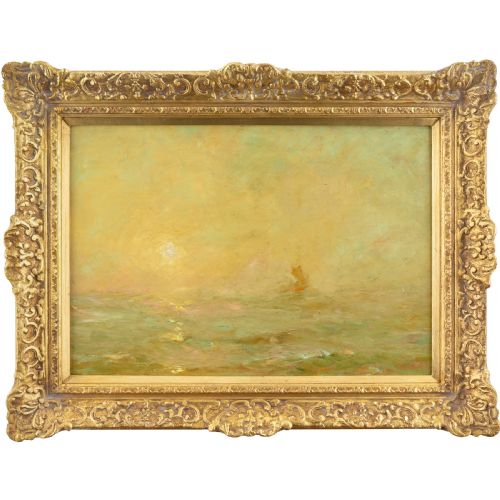
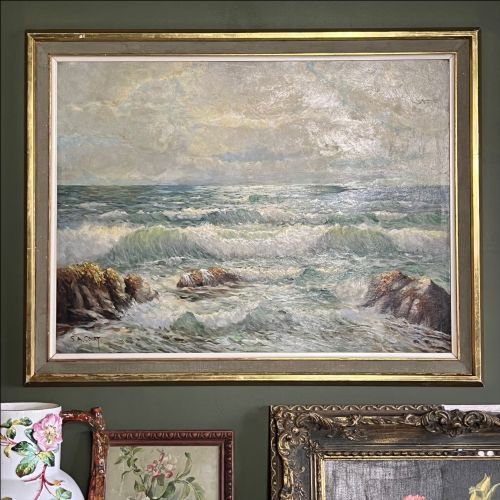
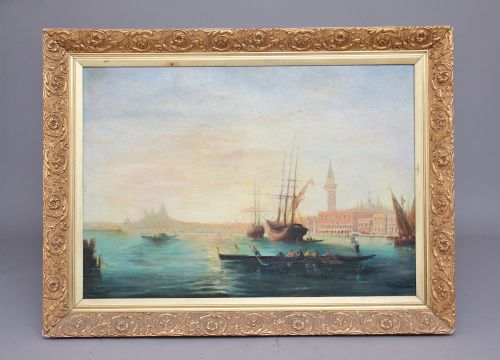
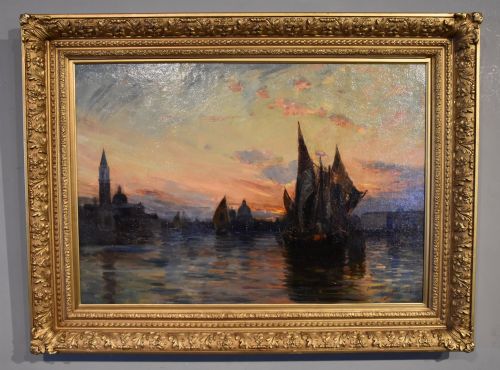
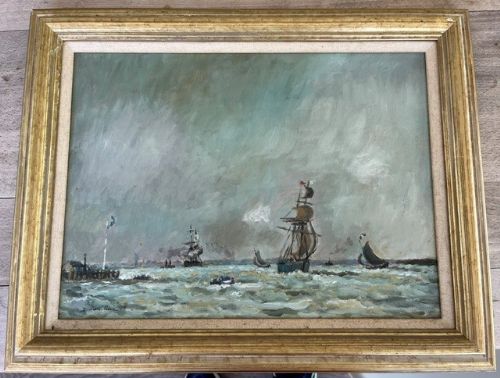
When you search for an impressionist ocean seascape, you encounter oil paintings and watercolours depicting marine views, harbours, and coastal cliffs. These works record the changing light on water through rapid brush application, often created en plein air. Most examples span the late nineteenth century through to the mid twentieth century, originating from British, French, and Italian artists.
The subjects range from tranquil Venetian lagoons and Cornish fishing harbours to rugged Welsh bays and the Mediterranean coast. Works appear on canvas, wood panels, oil on board, and paper, frequently framed in gilt wood. You will find both signed compositions by listed artists and unattributed regional studies from the Edwardian period onwards.
How they were made
Artists built these scenes using oil paint or watercolour applied to prepared canvas, wood panels, or heavy paper. The impasto technique appears frequently, laying down thick paint to create textured surfaces that catch the light directly. Painters worked en plein air to capture immediate atmospheric conditions along coastal locations.
Support materials include traditional stretched canvas, wooden boards, and paper sheets housed behind glass. Gilt wood frames accompany many pieces, providing a reflective border that complements the maritime subject matter. Pigments were blended to render the shifting tones of sea and sky.
Impressionist Ocean Seascape Retail Price Guide 2026
Typical asking prices for impressionist ocean seascape among the pieces listed under this phrase on Sellingantiques today, from the lower quarter to the upper quarter. They describe what is for sale here now, not the wider market.
Several artists preferred salty sea air directly on their palettes while battling coastal gales to finish the canvas before the tide turned.
What varies in quality
Quality rests in the confidence of the brushwork and the artist's ability to render light and water movement convincingly. Superior examples demonstrate a secure command of tone and perspective, capturing the atmosphere of the coast without excessive detail. Weaker works tend to rely on formulaic mark-making and static compositions.
The handling of paint texture, particularly in impasto passages, distinguishes accomplished paintings from simpler decorative studies. Provenance and clear attribution to documented painters elevate individual works above anonymous school pieces.
Clifford Hanney·Sidney A Court·William Banks Fortescue·Thomas Hodgson Liddell·Charles Malfroy·Roger de la Corbiere·Frederick Stuart Richardson·Owen Bowen·H Hadfield Cubley·S J Lamorna Birch·Edward T Jones·Donald McIntyre·James G Faulds·Harry John Pearson
The Impressionist Ocean Seascape Glossary
- En plein air
- Painting outdoors to capture direct natural light and atmospheric effects. This method defined much of the impressionist approach to coastal subjects.
- Impasto
- Paint applied thickly to a surface, leaving visible brush or palette knife marks. This technique adds tactile dimension to water and sky.
- Gilt wood
- Wood treated with gold leaf or metallic paint to create a decorative frame finish. These frames frequently accompany period oil paintings.
- Watercolour
- Pigment suspended in water-based solution applied to paper supports. It produces translucent washes suited to coastal atmospheric studies.
Impressionist Ocean Seascape: Frequently Asked Questions
What is an impressionist ocean seascape?
An impressionist ocean seascape is a painting that captures coastal waters and marine environments using loose brushwork and atmospheric light. These works focus on the visual sensation of the scene rather than exact topographical detail.
Such paintings span the late nineteenth century to the mid twentieth century, encompassing British and European coastal views created both outdoors and in the studio.
How do I care for these paintings?
Keep oil paintings and watercolours away from direct sunlight and excessive humidity to protect the pigments and paper or canvas supports. Avoid hanging them near heat sources that might cause wood panels or frames to warp.
Dust canvas surfaces gently with a soft, dry brush without applying pressure. Watercolours under glass require sealed backing to prevent moisture accumulation.
Where were these coastal scenes painted?
Artists painted these views along various European coastlines, including Cornish fishing ports, Welsh bays, the Venetian lagoon, and the Mediterranean shores of France. Painters travelled to these specific locations to work directly from the coastline.
Many works record the active maritime life of harbours, fishing boats, and lighthouses alongside open sea views.
How do I identify the period?
Period identification relies on stylistic indicators, framing materials, and artist signatures documented in historical records. Edwardian and early twentieth century works often feature specific framing styles and pigment compositions typical of their decade.
Examine the reverse of the canvas or board for old labels, inscriptions, and stamps that provide clues to the creation date.