

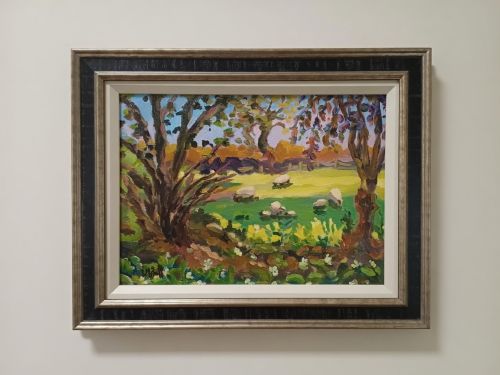

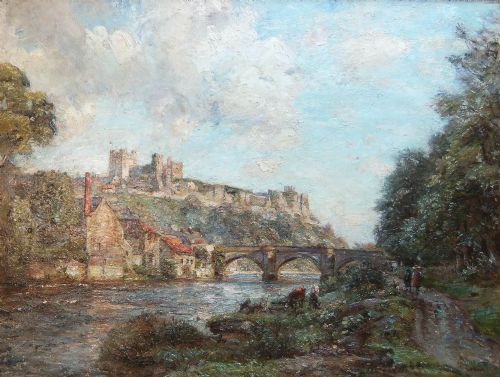
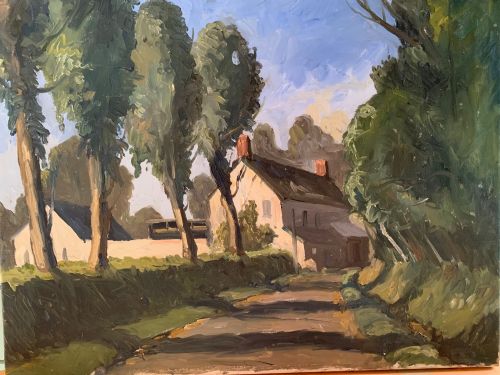
Impressionist Country Painting
Impressionist country painting captures rural life and landscapes through loose brushwork and natural light, offering collectors a direct window into early twentieth-century pastoral scenes.
Impressionist Country Painting
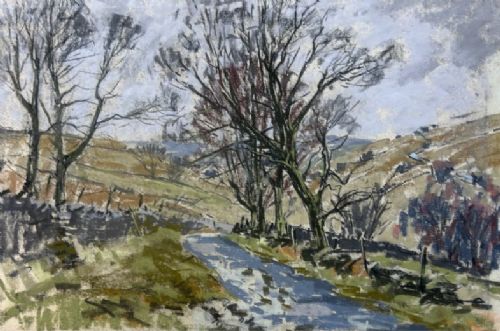
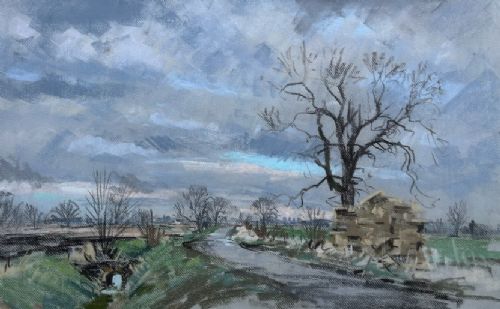
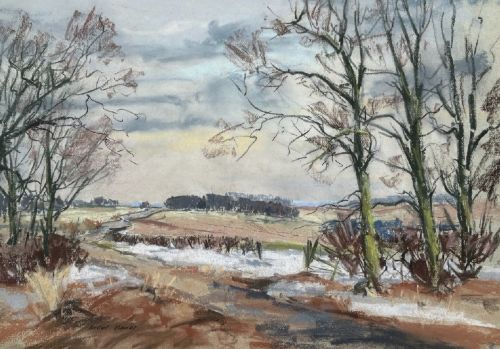
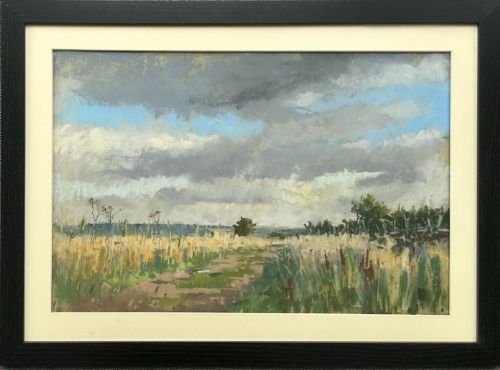
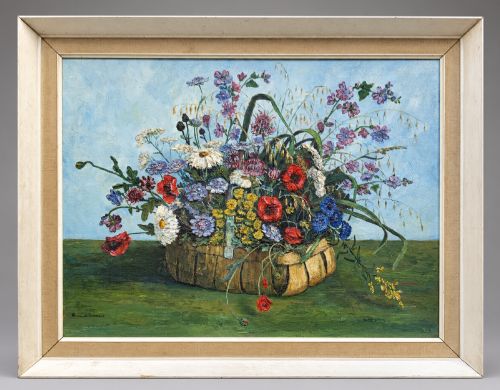
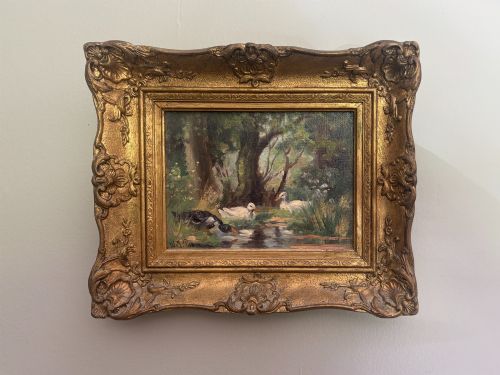
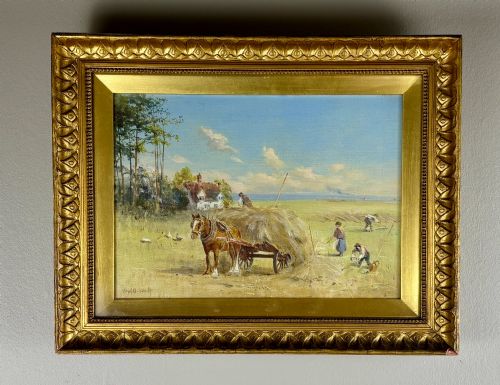
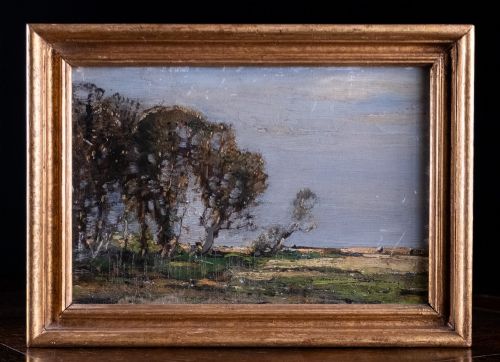
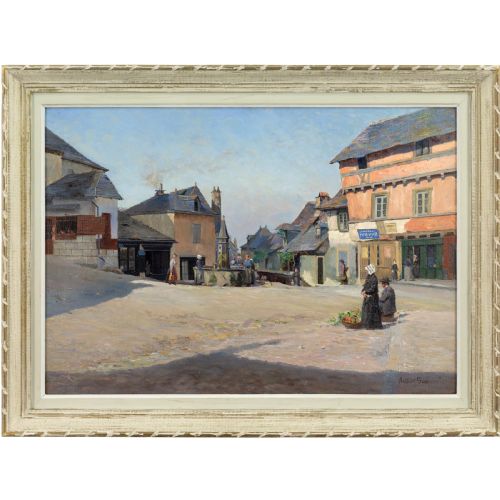
An impressionist country painting depicts rural scenes, farmyards, rivers, and woodland settings through the lens of late nineteenth- and mid-twentieth-century art movements. Pieces on this page span the Edwardian era through the nineteen-sixties, capturing the British countryside and continental landscapes.
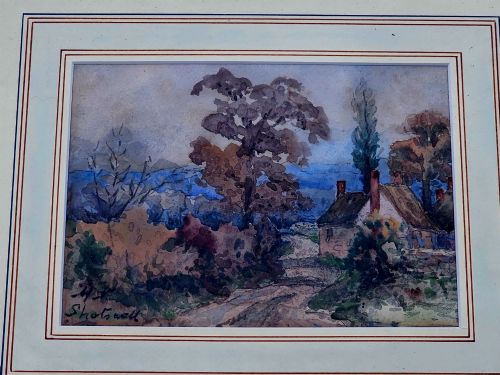
The most common formats include oil on canvas, oil on board, and watercolour paintings. Subjects range from haymaking and sheep grazing to quiet village squares and cottage gardens.
Origins stretch across British regional schools, French locations like Normandy and Corrèze, and specific art traditions including the Barbizon School and post-impressionism. These works reflect an era when artists moved outdoors to record changing light and weather directly onto the surface.
Materials and Technique
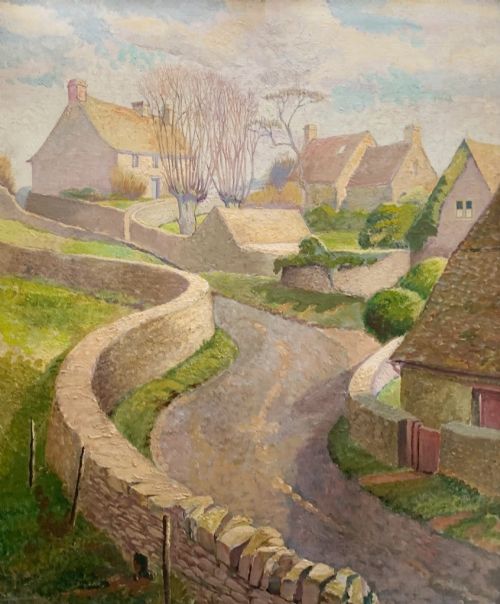
Painters used oil paint applied to stretched canvas, wooden panels, or paper boards, often building texture with thick, visible brushstrokes. Watercolours on paper appear frequently alongside these oil works, capturing lighter, more translucent atmospheric effects.
Many works rely on plein air methods, meaning the artist painted outdoors to capture natural light in real time. Gilt wood frames frequently house these paintings, preserving the edges and providing a period-appropriate border.
Impressionist Country Painting Retail Price Guide 2026
Typical asking prices for impressionist country painting among the pieces listed under this phrase on Sellingantiques today, from the lower quarter to the upper quarter. They describe what is for sale here now, not the wider market.
Listings feature works spanning the nineteenth century through the nineteen-sixties, using oil, watercolour, and mixed media on canvas, wood, and paper.
Assessing Quality
Quality rests on the confidence of the brushwork and the artist's ability to convey light and atmosphere rather than minute detail. Stronger paintings demonstrate a clear command of colour harmony and spatial depth within rural settings.
The integration of support materials also matters, as stable canvas tension and well-preserved oil pigment layers maintain the visual impact of the original brushwork over time.
Willem J Palman·Hugh Barry-Scott·Kershaw Schofield·Robert Morson Hughes·Arthur Gué·Henry Silkstone Hopwood·Lucy Pratt·Herbert Royle·Rene Levrel·Paul Désiré Trouillebert·Henry Yeen King·Percy Lancaster·Hubert Wellington·Owen Bowen·Henri Jaques Delpy·Edgar Woollatt·Charles Walter Simpson·Harry Freckleton·William JB Jenkins·Ernest Higgins Rigg·Arthur Reginald Smith·Ernest Pile Bucknall·Rowland Henry Hill·John Atkinson·William Greaves
The Impressionist Country Painting Glossary
- Barbizon School
- A nineteenth-century French art movement focused on tonal realism and painting directly from nature. Practitioners rejected rigid academic studio traditions in favour of naturalistic rural scenes.
- Plein air
- The practice of painting outdoors to observe landscape lighting and weather firsthand. This technique allowed artists to record rapid shifts in natural illumination.
- Post-Impressionism
- An art style following impressionism that explored expressive forms and heavier pigment application. Painters used these methods to emphasise symbolic or emotional responses to landscapes.
- Watercolour
- A paint consisting of water-soluble pigments applied to paper supports. Artists utilised this medium for translucent washes and rapid sketching of rural views.
- Oil on Canvas
- Pigment bound in drying oil spread across a woven fabric stretched over a wooden frame. This combination allows for rich colour depth and varied surface textures.
Impressionist Country Painting: Frequently Asked Questions
What subjects appear in these paintings?
These works feature rural landscapes, farmyards, haymaking scenes, rivers, and village cottages. Animals such as sheep, ponies, and ducks also appear frequently within pastoral settings.
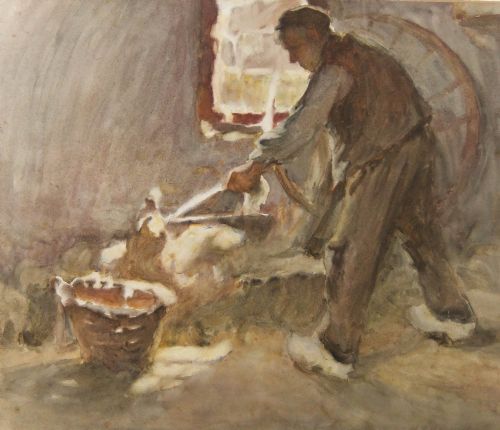
Artists focused on recording everyday country life, documenting rural trades like blacksmithing alongside quiet natural vistas and coastal views.
How do I date these artworks?
Dating relies on stylistic clues, artist signatures, framing materials, and inscribed dates on the reverse or front of the canvas. Many pieces carry biographical dates of the painters.
Shifts from nineteenth-century realism toward looser mid-century impressionist brushwork help place works within specific decades from the Edwardian period onward.
Are these paintings signed?
Many examples feature artist signatures or studio stamps, while others remain attributed to specific regional schools or anonymous creators. Signatures often appear in the lower corners of the canvas or paper.
Studio sales and provenance notes sometimes accompany unsigned works, providing documented links to the original artist's estate.
How should I display them at home?
These paintings suit traditional and contemporary interiors alike, pairing well with natural wood finishes and neutral wall colours. Proper placement avoids direct sunlight to protect pigments.
Matching the work with an appropriate period frame helps preserve the piece and anchors its visual presence on the wall.