

Impressionist Country Art
Impressionist country art captures rural life, landscapes and quiet corners through loose brushwork and natural light.
Impressionist Country Art
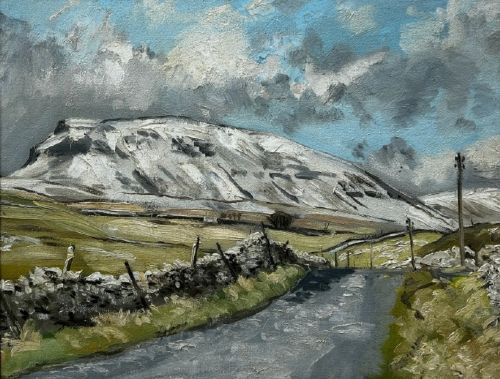
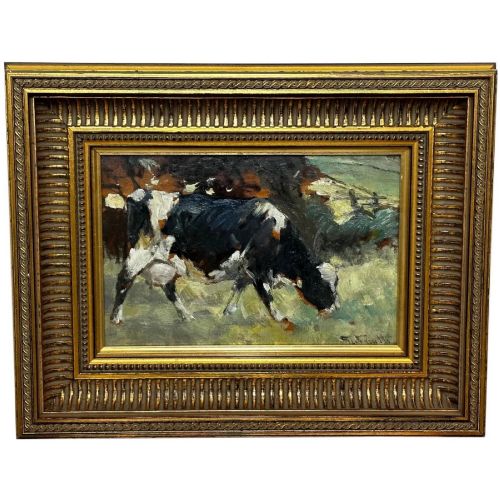
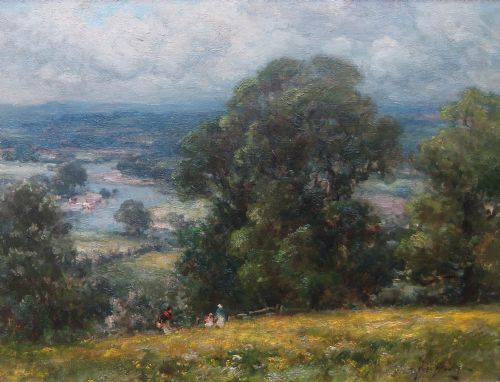
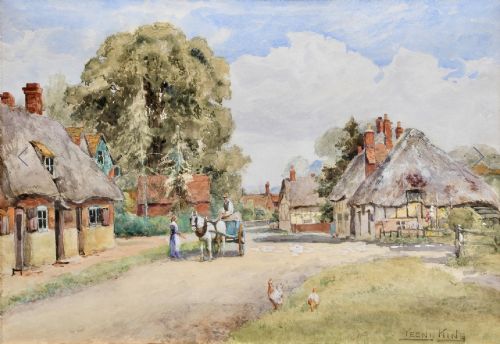
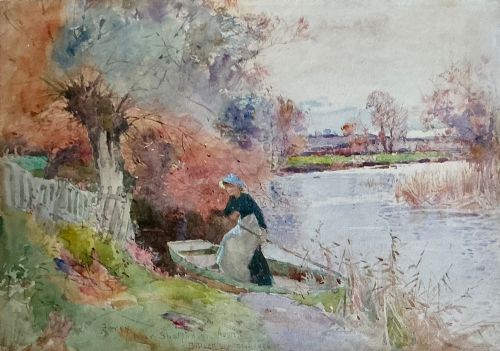
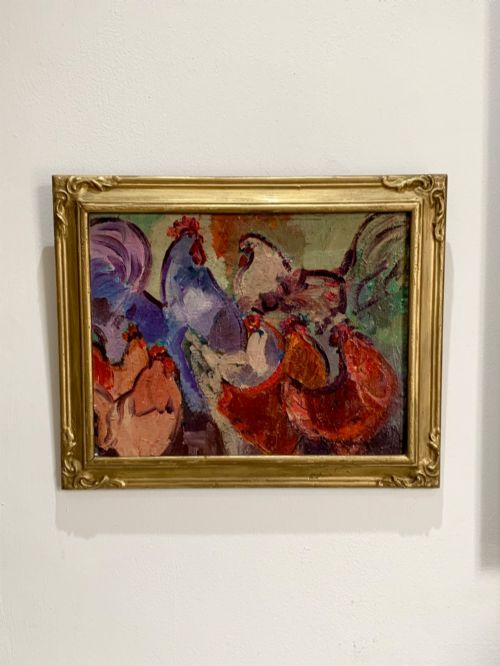
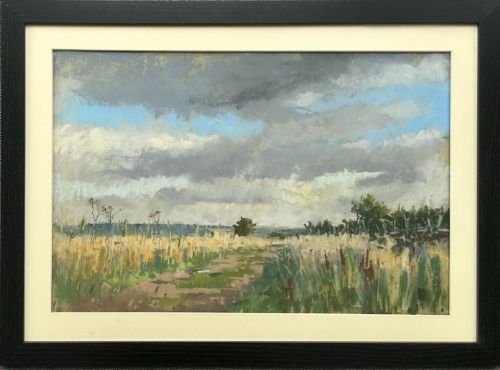
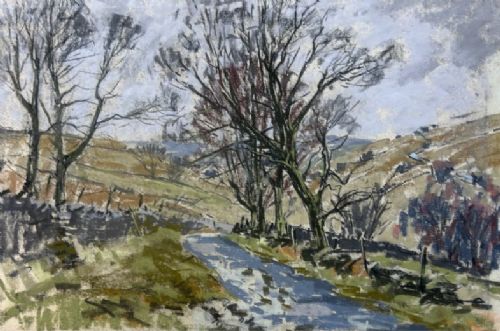
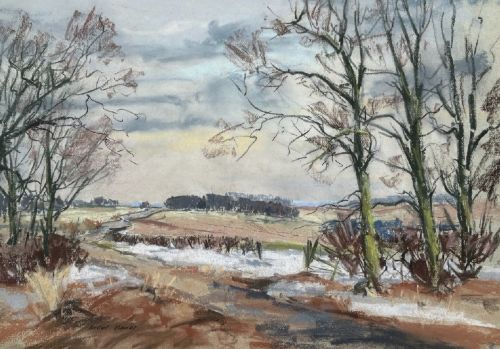
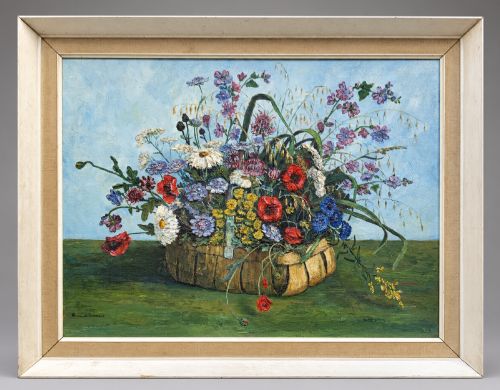
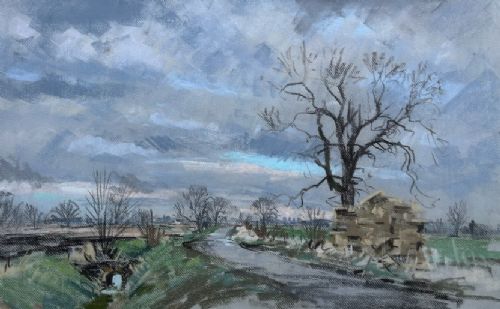
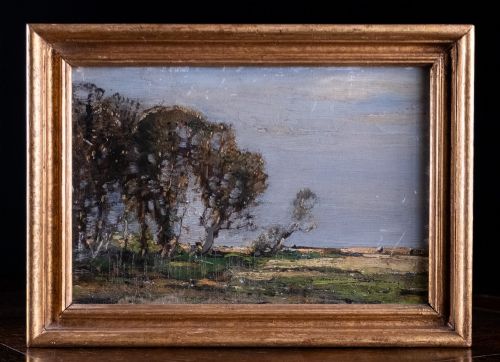
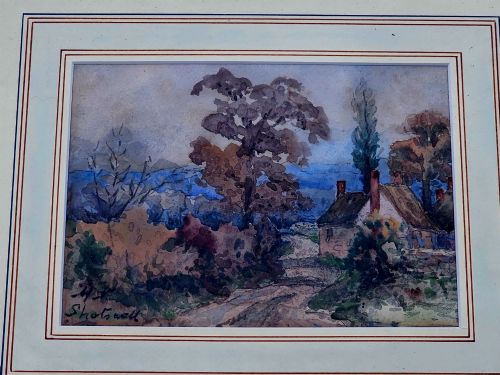
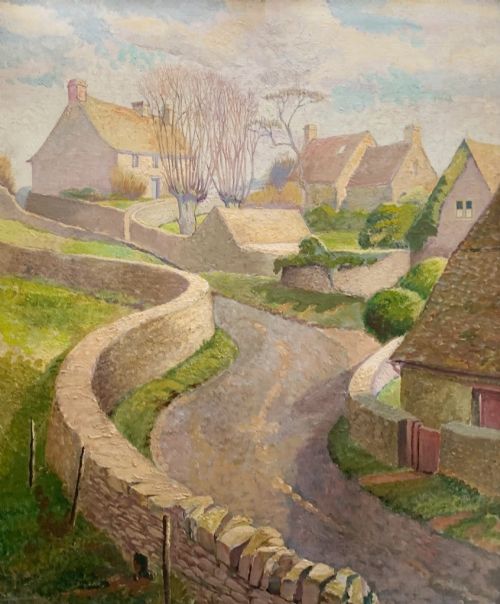
Impressionist country art encompasses paintings and works on paper depicting rural scenes, farmyards, rivers and country cottages. These pieces reflect the rural focus of British Impressionism, Post-Impressionism and the Barbizon School from the nineteenth and twentieth centuries.
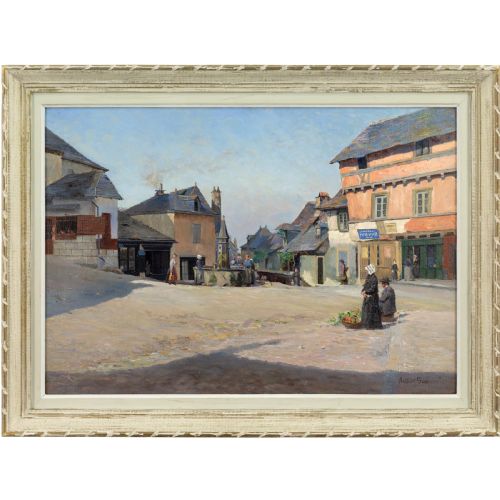
Buyers encounter oil paintings on canvas or board alongside watercolours and pastel drawings. The subjects range from Yorkshire dales and Devon landscapes to French village squares and pastoral gatherings.
Works span from the Edwardian era through mid-century modern movements, offering diverse interpretations of natural light and outdoor life. These pieces bring a traditional rural atmosphere into domestic interiors through painterly observation.
How they were made
Artists applied oil paint or watercolour to canvas, wood panels, paper and board using expressive brushstrokes. Many works utilise plein air techniques to capture transient effects of light in rural settings.
The materials rely on traditional supports such as prepared canvas, heavy paper and wood panels, often framed to protect the delicate paint layers. Pastels and watercolours frequently employ paper supports mounted beneath glass.
Impressionist Country Art Retail Price Guide 2026
Typical asking prices for impressionist country art among the pieces listed under this phrase on Sellingantiques today, from the lower quarter to the upper quarter. They describe what is for sale here now, not the wider market.
Listings feature works spanning the nineteenth century, Edwardian period and mid-century, created on canvas, wood, paper and board.
What varies in quality
Quality rests in the confidence of the brushwork and the artist's handling of atmospheric light and shadow. Stronger examples demonstrate a clear command of tone and composition that brings depth to rural vistas.
The distinction between standard and superior pieces depends on the immediacy of the observation and the harmony of the palette. Works with documented provenance and distinct regional character hold greater visual presence.
Angus Rands·Kershaw Schofield·Paul Désiré Trouillebert·Ernest Higgins Rigg·Charles Walter Simpson
The Impressionist Country Art Glossary
- Plein air
- Painting outdoors to directly capture the natural light and atmosphere of a landscape. This approach defines much of the impressionist approach to rural subjects.
- Post-Impressionism
- An artistic movement following impressionism that explored broader emotional and structural responses to visual subjects. Painters retained vibrant palettes while emphasising bold forms.
- Barbizon School
- A French movement centred on realist landscape painting inspired by the countryside. Artists focused on unidealised pastoral scenes and natural observation.
- Board
- A rigid flat support used instead of canvas for oil paintings. Wood and pulpboard provided stable surfaces for artists working outdoors.
Impressionist Country Art: Frequently Asked Questions
What is impressionist country art?
Impressionist country art comprises paintings and works on paper depicting rural landscapes, agricultural scenes and village life. These pieces utilise loose brushwork to capture natural light and atmospheric conditions in the countryside.
The genre spans the nineteenth century through the mid-twentieth century, drawing from British and European impressionist movements. Artists recorded specific regional localities from Yorkshire to Normandy using oil, watercolour and pastel.
How were these paintings displayed?
These artworks are traditionally housed within wooden frames, often gilded or painted to complement the tones of the canvas or paper. Framing protects the edges of supports and enhances the visual depth of the composition.
Period frames often accompany vintage works, reflecting the framing tastes of the Edwardian era or the mid-century period. Proper framing under glass is essential for works on paper such as watercolours and pastels.
Where were these rural scenes painted?
Artists painted these rural views directly in the countryside, often working outdoors in fields, farmyards and riverbanks. Locations range from Northern English dales and Yorkshire wolds to West Country pastures and French rural squares.
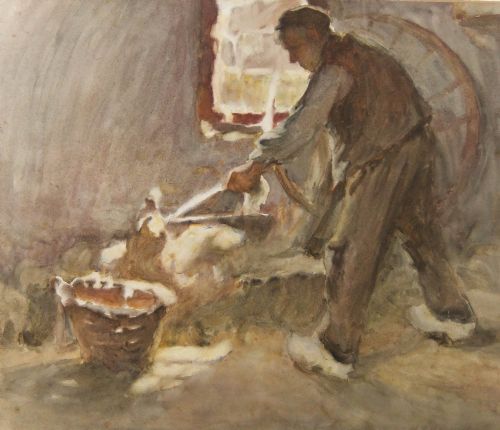
Many works record specific local landmarks, rural cottages and agricultural labour such as hay gathering. This topographical detail grounds the impressionist style in genuine regional geography.
How do I care for an oil painting?
Oil paintings on canvas or board require stable indoor environments away from direct sunlight and damp conditions. Gentle dusting with a soft, dry brush maintains the surface without disturbing the paint layers.
Avoiding extreme temperature fluctuations prevents the canvas and wood supports from warping or cracking. Glazed works on paper need protection from moisture and direct ultraviolet light to preserve the pigments.