



Imari Ceramic Lamp
An imari ceramic lamp brings rich Oriental palettes and historical depth into a room, offering functional warmth through centuries-old porcelain.
Imari Ceramic Lamp
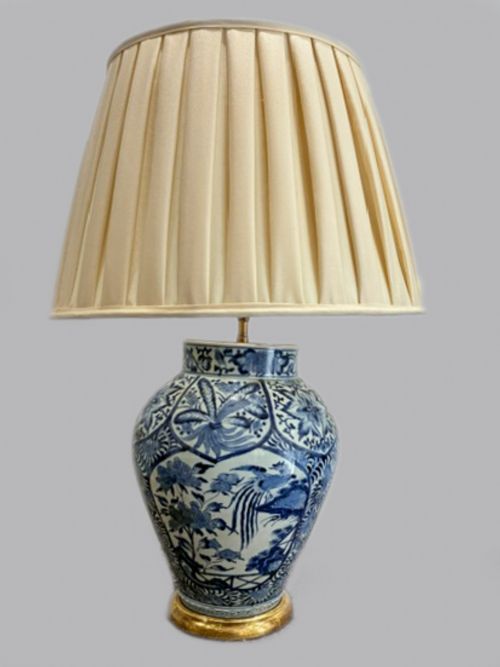
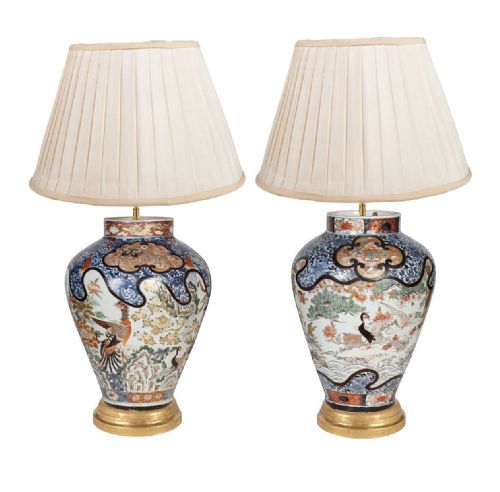
When you search for an imari ceramic lamp, you encounter antique Asian porcelain and English oil reservoirs adapted for modern illumination. The majority of pieces on this page are Japanese Arita export wares from the seventeenth, eighteenth, and nineteenth centuries, converted later into table lamps.
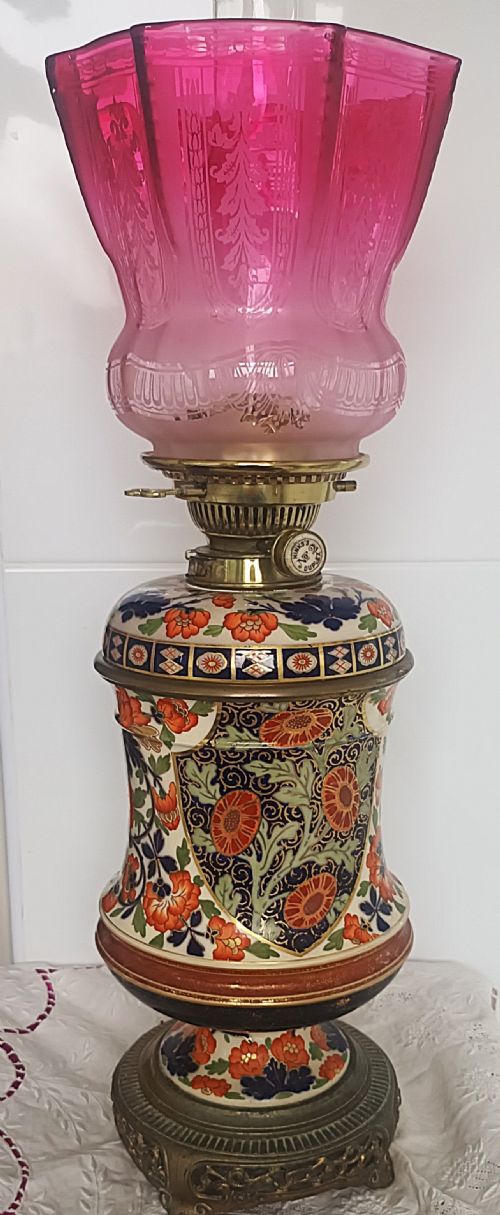
You will also find nineteenth-century English Victorian ceramic oil lamps utilising brass fittings and ceramic bodies. These diverse forms bridge traditional far eastern kiln artistry with utilitarian domestic lighting from the Victorian era.
The styles span the Japanese Edo and Meiji periods alongside British domestic manufacturing. Such versatility means buyers choose between striking cobalt and iron-red export jars and patterned ceramic columns.
How these lamps were made
Makers fashioned the Oriental bodies using hard-paste porcelain fired in traditional kilns before applying hand-painted underglaze blue and overglaze iron-red and gilt details. English Victorian examples relied on local ceramic bodies paired with engineered brass burners and glass components.
Artisans mounted the antique porcelain vases onto wooden, giltwood, or brass bases to secure electrical wiring or oil mechanisms. Silk and fabric shades often top these assembled structures to complete the illumination.
Imari Ceramic Lamp Retail Price Guide 2026
Typical asking prices for imari ceramic lamp among the pieces listed under this phrase on Sellingantiques today, from the lower quarter to the upper quarter. They describe what is for sale here now, not the wider market.
Current listings feature porcelain, brass, wood, glass, and silk spanning the seventeenth, eighteenth, and nineteenth centuries.
What varies in quality
The fineness of the hand-painted cobalt and iron-red pigments separates standard export wares from exceptional pieces. Crisp brushwork on the porcelain body indicates superior kiln output and skilled artistry.
The quality of the conversion work and mounting materials dictates the overall integrity of the lamp. Solid brass fittings, balanced wooden bases, and careful adaptation without compromising the original ceramic establish the better examples in this range.
The Imari Ceramic Lamp Glossary
- Imari
- A style of Japanese porcelain decorated in underglaze blue, iron-red, and gold, named after the port from which it was shipped to the West. This decorative scheme dominates the antique vases adapted for lighting.
- Arita
- The Japanese town and surrounding region where the clay for these porcelain pieces was mined and fired. Arita wares formed the backbone of early Japanese export trade.
- Edo Period
- The period in Japanese history spanning from sixteen hundred and three to eighteen hundred and sixty-eight. Many of the export vases used for these lamps originated during this time.
- Meiji Period
- The era in Japanese history running from eighteen hundred and sixty-eight to nineteen hundred and twelve. Pieces from this time demonstrate refined Meiji craftsmanship.
- Porcelain
- A ceramic material made by heating clay-type materials like kaolin to high temperatures. It provides the hard, resonant body typical of these converted vases.
Imari Ceramic Lamp: Frequently Asked Questions
Are these lamps converted from old vases?
Many examples began life as Japanese export vases or English oil vessels before being adapted for modern electricity. This practice preserves historical ceramics while giving them a practical domestic purpose.
Craftsmen mounted the original porcelain bodies onto stable bases and fitted them with electrical components. The character of the antique vessel remains primary to the piece.
How do I date an imari lamp?
Dating relies primarily on the style, glaze characteristics, and potting technique of the ceramic body. Japanese Edo and Meiji periods display distinct painting styles and porcelain textures.
English Victorian pieces show characteristic nineteenth-century brass hardware and maker stamps. Comparing the mounting style and wiring provides further clues to the adaptation date.
What styles of imari ceramic lamps exist?
The selection includes Japanese Arita export vessels, spill vases, and Fukagawa porcelain bodies. Victorian English ceramic oil lamps also appear among the selections.
These styles range from seventeenth-century Japanese vases to nineteenth-century domestic lamps. Each category reflects the specific period of its manufacture.
Which materials are used in these lamps?
The primary body material is ceramic or porcelain, frequently paired with brass mounts and wooden or giltwood bases. Silk and fabric shades are often added to complete the lighting fixture.
Some English examples incorporate glass elements alongside the ceramic body. Metal components provide structural support for the electrical fittings.