

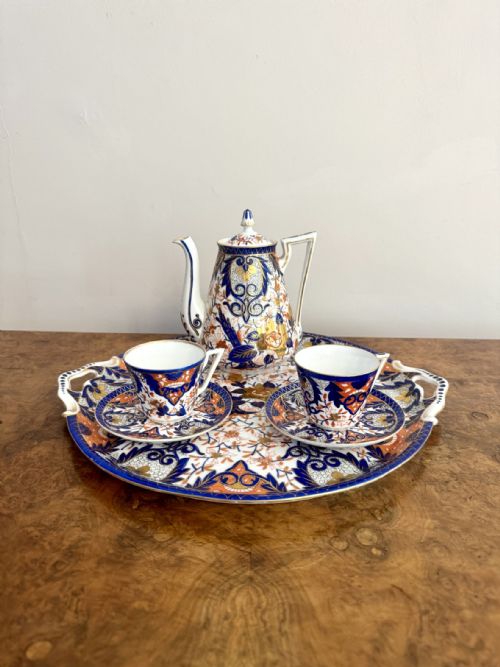
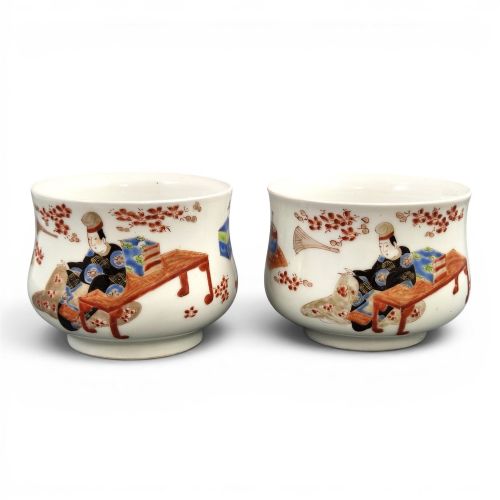
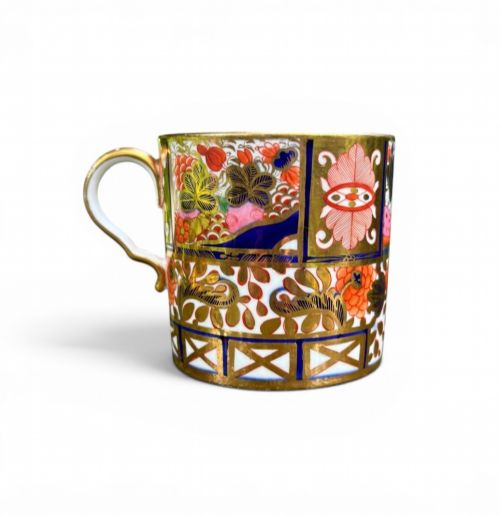


Imari Ceramic Cup
These imari ceramic cup pieces combine vibrant enamel decoration with fine porcelain forms, offering a striking display of historic craftsmanship for your collection.
Imari Ceramic Cup
When you search for an imari ceramic cup, you are looking at richly decorated drinking vessels that span several centuries of British and continental production, alongside Japanese exports. The pieces available here range from single tea cups and coffee cans to complete afternoon tea services and chocolate cups with covers.
You are most likely to meet 19th-century English bone china and porcelain examples featuring hand-painted enamel and gilding. These domestic interpretations often borrow traditional styles from earlier periods, creating distinctive tablewares designed for formal social rituals.
The selection also includes rarer forms such as lidded broth cups, shaving bowls, and matched trios. Each object demonstrates the enduring popularity of vibrant palette decoration across different European and Asian workshops.
Materials and manufacture
These vessels are formed primarily from hard-paste porcelain or bone china, providing a durable and smooth white body suited for detailed painting. Potters shaped these materials into precise forms like coffee cans, deep bowls, and handled teacups before initial firing.
Makers applied intricate designs using coloured enamel glazes and gold leaf or gilding to highlight specific motifs. Artisans completed multiple firings to fix the enamel and metallic details securely to the glazed ceramic surface.
Imari Ceramic Cup Retail Price Guide 2026
Typical asking prices for imari ceramic cup among the pieces listed under this phrase on Sellingantiques today, from the lower quarter to the upper quarter. They describe what is for sale here now, not the wider market.
Listings for imari ceramic cup pieces feature materials such as bone china and porcelain, decorated with enamel glaze, gold leaf, and silver plate.
Assessing quality
The distinction between standard tablewares and finer items rests upon the precision of the hand-painted decoration and the crispness of the porcelain body. Pieces featuring careful brushwork in rich enamel and well-preserved gilding stand apart from simpler production.
Completeness also defines the higher tiers of these pieces, particularly when a cup retains its matching saucer, cover, or forms part of a larger service. The clarity of maker marks and the delicacy of the moulded handle or rim further distinguish superior examples.
Spode·Davenport·Richard Ginori·Minton
The Imari Ceramic Cup Glossary
- Bone china
- A type of soft-paste porcelain incorporating animal bone ash, producing a strong, slightly translucent body well-suited for detailed painting. This material forms many of the English teawares found in the listings.
- Coffee can
- A straight-sided cylindrical cup designed specifically for drinking strong coffee during the 18th and 19th centuries. These vessels often feature simple loop handles.
- Enamel
- A glass-like substance fused to the fired ceramic surface at lower temperatures to provide vibrant colours. It creates the characteristic palette seen on these decorated pieces.
- Gilding
- The application of gold leaf or powdered gold to ceramic surfaces for decorative emphasis. This technique highlights rims, handles, and painted motifs.
- Trio
- A matched set consisting of a teacup, a saucer, and a larger plate for bread or cake. These groupings became popular components of afternoon tea services.
Imari Ceramic Cup: Frequently Asked Questions
What is an imari ceramic cup?
An imari ceramic cup is a decorative drinking vessel adorned with distinctive iron red, blue, and gold enamels. These pieces include teacups, coffee cans, and chocolate cups produced in both European and Japanese kilns.
They reflect a long-standing tradition of cross-continental aesthetic exchange, combining traditional ceramic forms with vibrant, multi-coloured ornamentation.
How were these cups used?
These vessels served as functional tableware for hot beverages such as tea, coffee, and broth during formal social gatherings. Wealthy households displayed them during afternoon tea or after dinner.
Many pieces formed part of larger services, accompanied by matching saucers, bowls, and covers designed to keep drinks warm.
How do I date a porcelain cup?
Dating relies on examining the ceramic body, the style of the handle, and the type of glaze or enamel used. Factory marks on the base provide direct evidence of the maker and active production period.
Comparing the decorative motifs to known historical styles, such as Regency or Victorian designs, helps narrow down the decade of manufacture.
How do I care for antique porcelain?
Antique porcelain and enamel pieces require gentle hand washing in lukewarm water with mild soap. Avoid soaking them or placing them in dishwashers, as harsh detergents and heat can damage the delicate gilding and enamel.
Store them securely on stable shelves away from direct sunlight and extreme temperature fluctuations to preserve the surface.