



Hunting Trophy Wall Decor
These hunting trophy wall decor pieces bring the dramatic presence of the nineteenth and early twentieth centuries straight into your interior.
Hunting Trophy Wall Decor
When you search for hunting trophy wall decor, you encounter a striking array of mounts, carved panels and sporting art from the nineteenth and twentieth centuries. These pieces reflect the traditional aesthetic of Highland lodges and Victorian sporting rooms, capturing a distinct period of naturalist collecting.
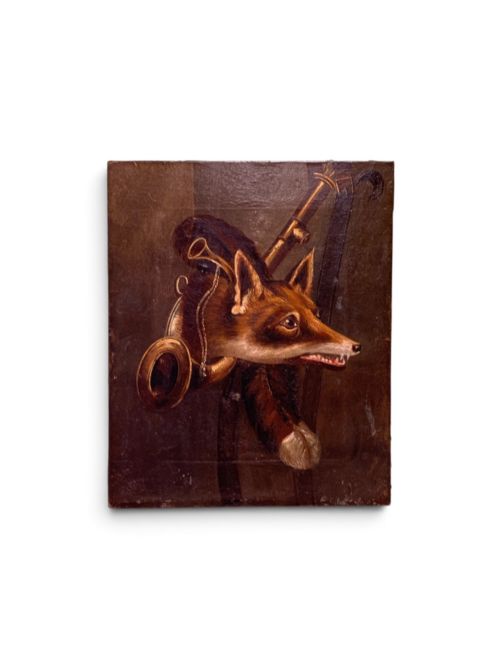
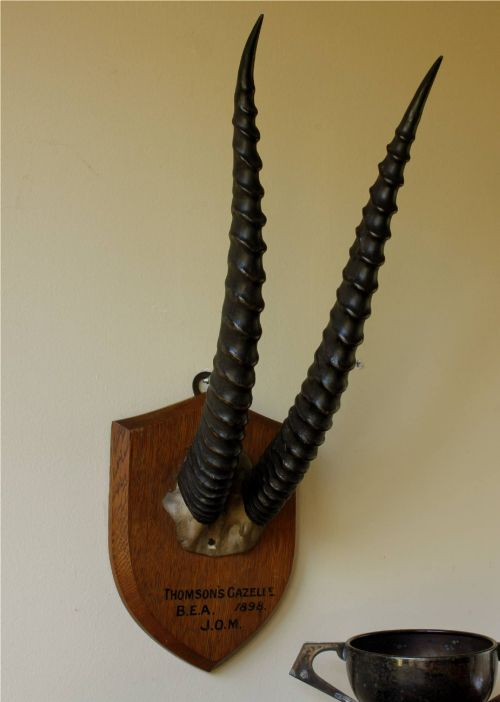
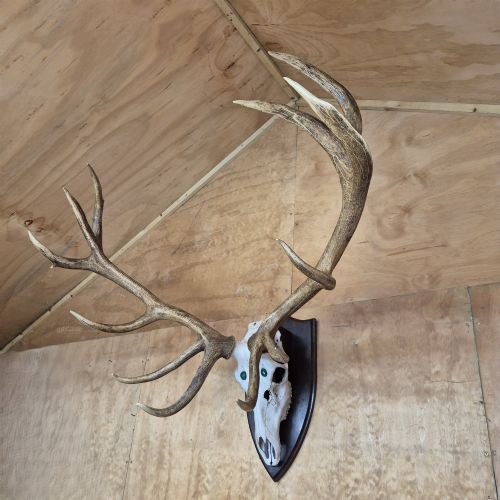
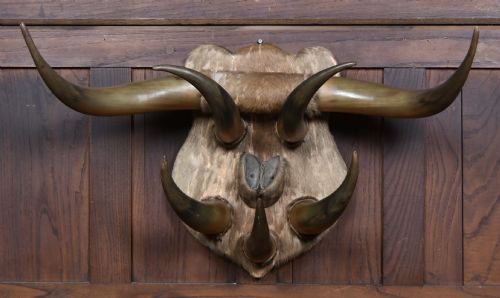
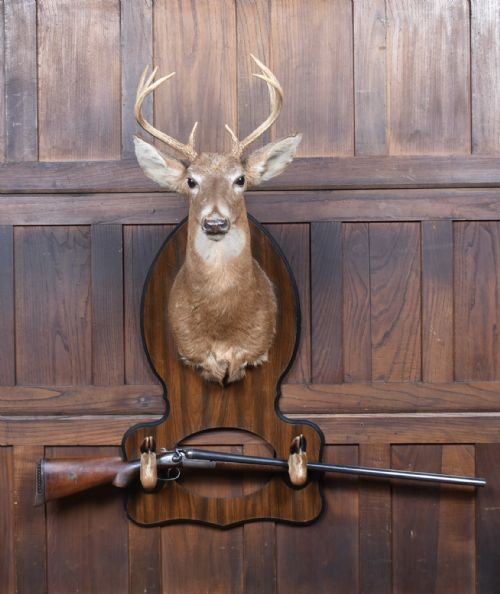
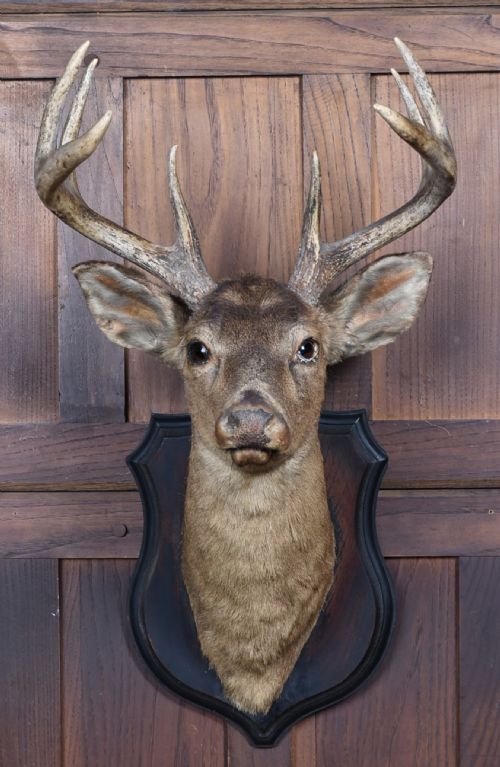
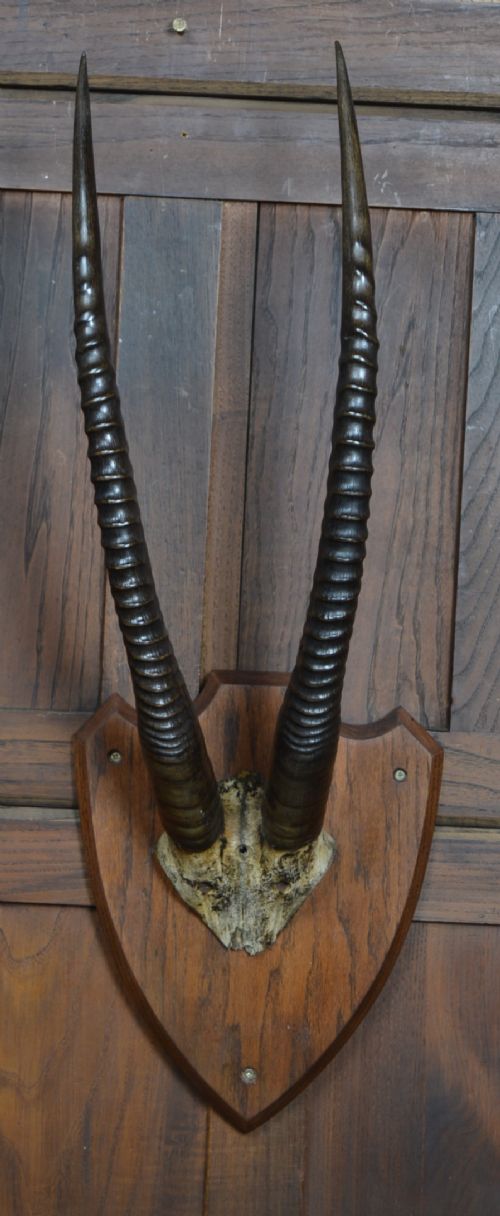
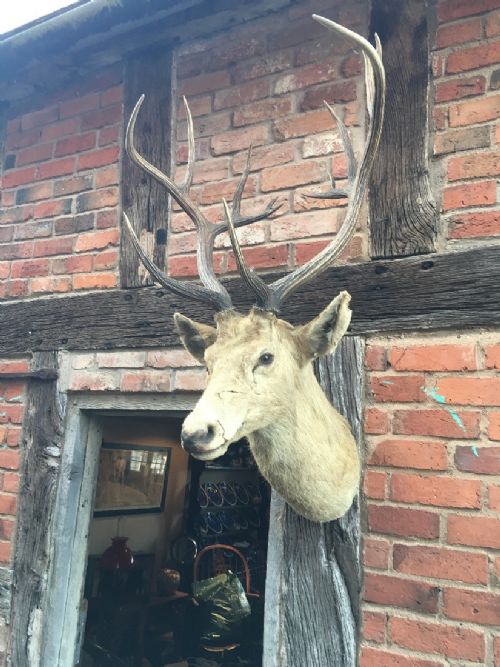
The selection on this page centres on taxidermy mounts, including stags' heads, deer, gazelle, koodoo, oryx and fox masks, alongside cattle horn arrangements and oil paintings. Oak shields and carved panels frequently support the antlers and horns, anchoring the specimens firmly to the wall.
You are most likely to meet pieces dating from the Victorian, Edwardian and interwar periods, fashioned in Highland traditional and sporting styles. These works range from substantial red deer sets to mounted antelope horns and detailed still life oil paintings.
How they were made
Taxidermy mounts and trophies utilise natural materials such as taxidermy hide, bone, antler, horn and wood, mounted upon shaped oak shields. Artisans preserved and shaped the animal specimens over sturdy internal armatures, combining organic elements with robust carpentry.
Carved wood panels and shields demonstrate traditional joinery and relief carving, providing a solid wooden backing designed to bear the considerable weight of antlers and horns. Oil paintings employ canvas and traditional pigments to depict sporting subjects in rich detail.
Period pieces span the nineteenth century, nineteen-hundreds, nineteen-twenties, nineteen-thirties, Edwardian and eighteen-eighties.
What varies in quality
The standard of taxidermy work and the anatomical accuracy of the mount determine the overall character of the piece. Superior examples display lifelike form, careful preservation of hide and hair, and secure attachment to their wooden supports.
The quality of the associated woodwork, from simple oak shields to elaborately carved panels, distinguishes standard pieces from finer decorative works. Additionally, the symmetry and scale of horns and antlers play a significant role in the visual balance of the display.
Peter Spicer & Sons
The Hunting Trophy Wall Decor Glossary
- Taxidermy mount
- The preserved skin of an animal mounted over a form to reproduce its lifelike appearance. These specimens form the core of sporting wall decoration.
- Antler
- The bony growth shed and regrown annually by members of the deer family, frequently mounted on wooden shields. They provide the dramatic spread seen in many wall trophies.
- Mask
- The head and neck portion of an animal preserved for display, common in fox and smaller game mountings. These are typically fixed directly to carved wooden panels.
- Shield
- A shaped wooden board, often carved from oak, used as a backing plate for mounting horns and heads onto walls. It distributes the weight and frames the specimen.
- Still life
- A painting genre depicting inanimate subject matter, such as dead game or sporting paraphernalia, popular in nineteenth-century interiors.
Hunting Trophy Wall Decor: Frequently Asked Questions
What periods do these pieces come from?
The pieces available span from the nineteenth century through the Edwardian era up to the interwar period of the nineteen-thirties. Victorian and Edwardian examples often reflect classic Highland sporting traditions.
Later interwar pieces continue these taxidermy and carving traditions with similar focus on game trophies and lodge decor.
How should I care for taxidermy wall decor?
Keep mounted specimens out of direct sunlight and away from direct heat sources to prevent the hide and bone from drying out or cracking. Gentle dusting with a soft brush helps maintain the condition of the hair and antlers.
Avoid using liquid cleaners or water on taxidermy hide or oil paintings to protect the delicate organic materials and pigments.
What is a royal set of antlers?
A royal designation refers to a red deer antler rack possessing twelve distinct points on the antlers. These larger sets represent significant specimens from sporting collections.
Such substantial trophies are typically mounted on carved oak shields and command a dominant presence on the wall.
Can I mix taxidermy with modern interiors?
These traditional sporting pieces provide a striking contrast against neutral modern walls, adding texture and historical narrative to contemporary spaces. Pairing a single mounted pair of horns or an oil painting with minimalist furniture creates a balanced focal point.
Allowing adequate wall space around each piece lets the form and materials stand out without cluttering the room.