




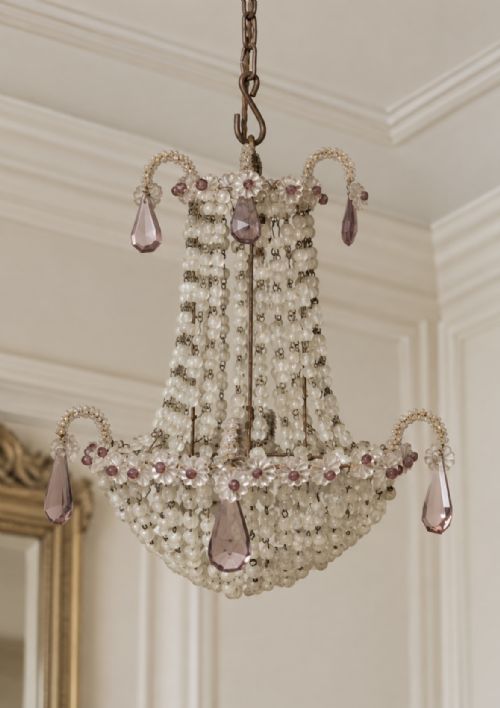
Hung Crystal Pendants
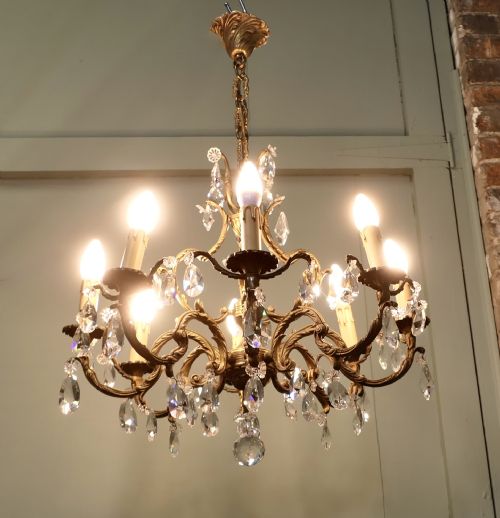
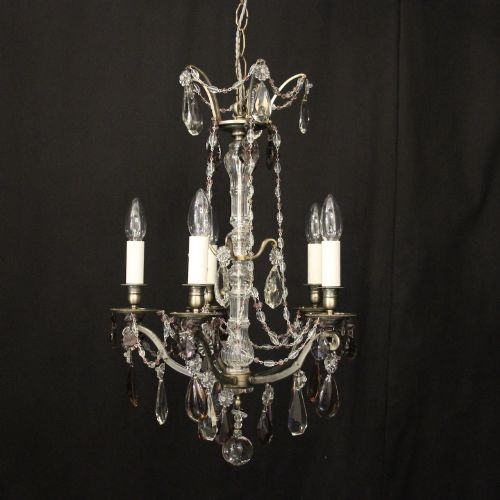
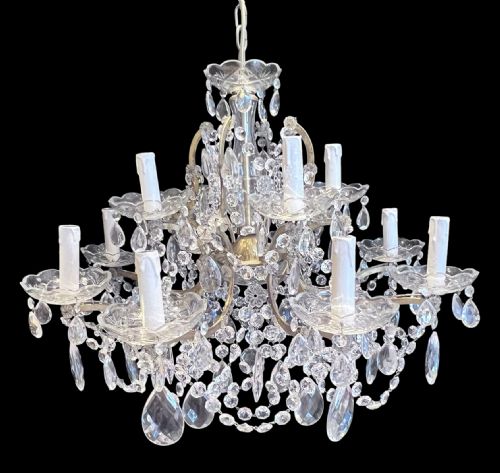
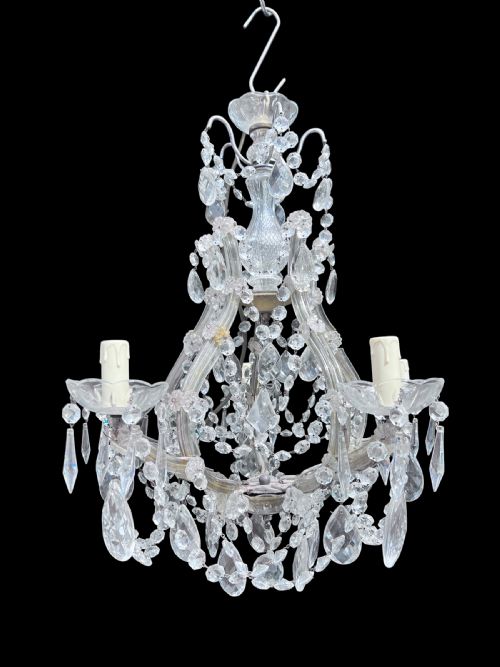
Hung crystal pendants catch the light across varied chandelier forms from the nineteenth and early twentieth centuries, bringing sparkle to domestic ceilings.
Hung Crystal Pendants
When you search for hung crystal pendants, you find decorative light fittings dressed with glass and crystal elements. These pieces hang from ceilings to illuminate rooms through faceted surfaces.
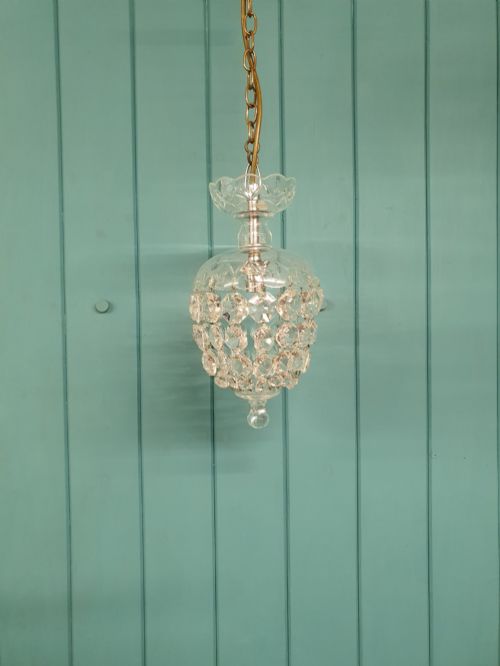
The selections here span French, Italian, and Swedish workshops from the nineteenth century through the 1930s. You will encounter chandeliers, pendant lights, and ceiling lights sharing this glittering ornament.
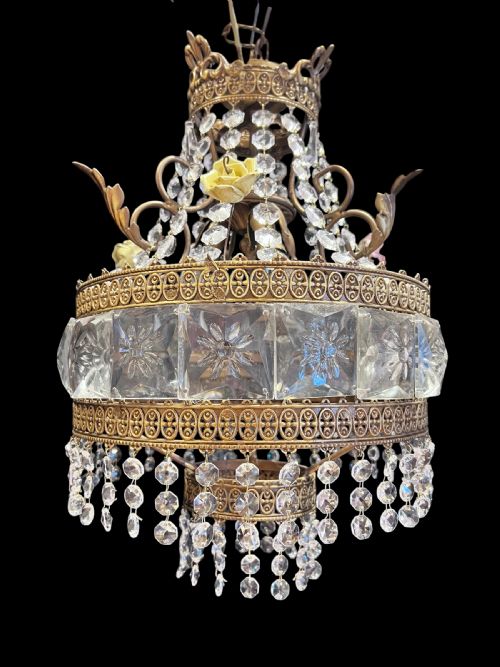
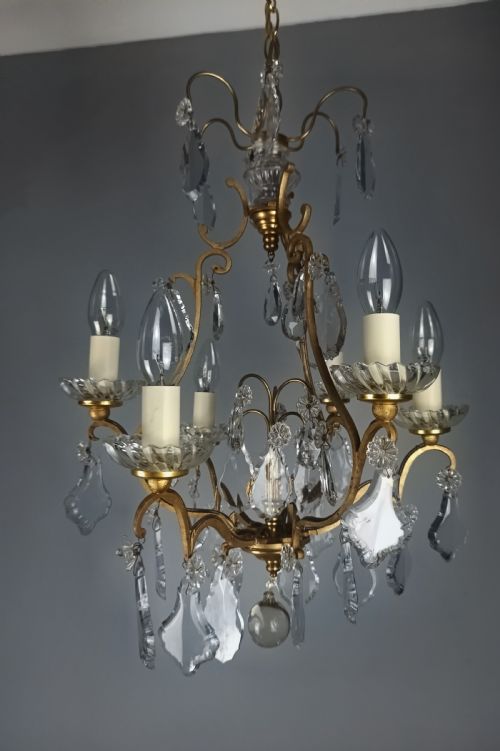
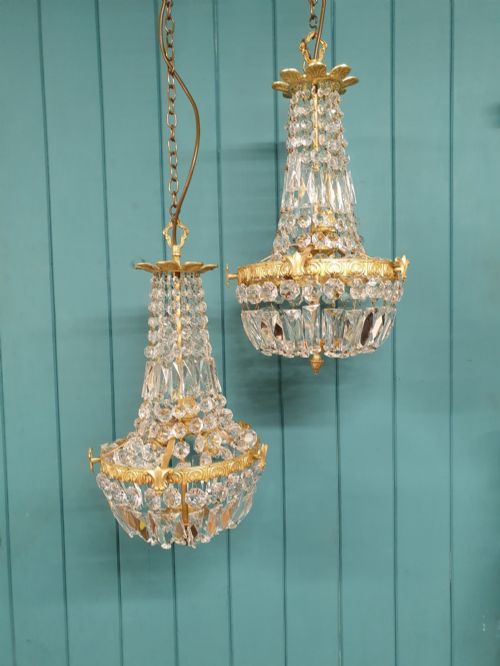
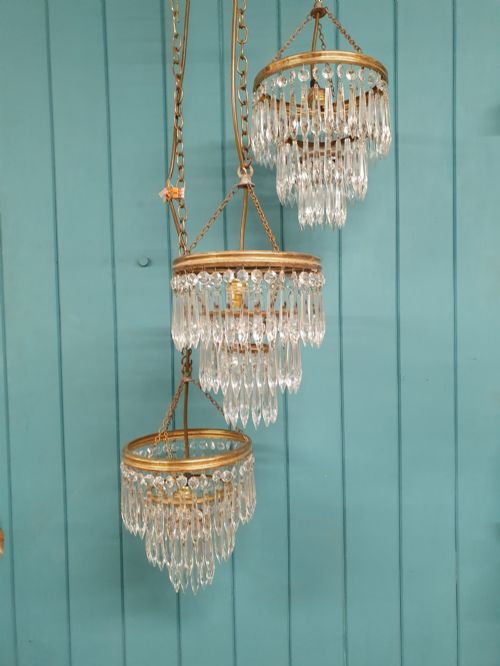
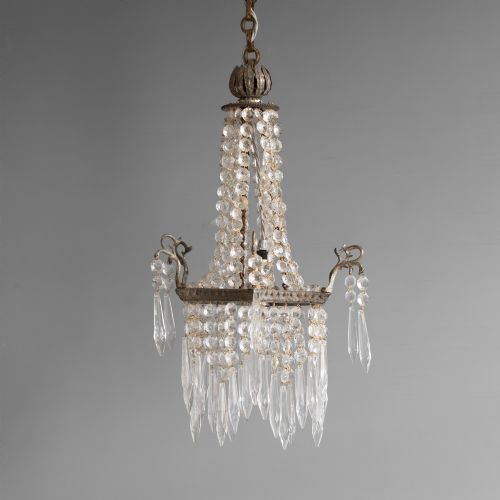
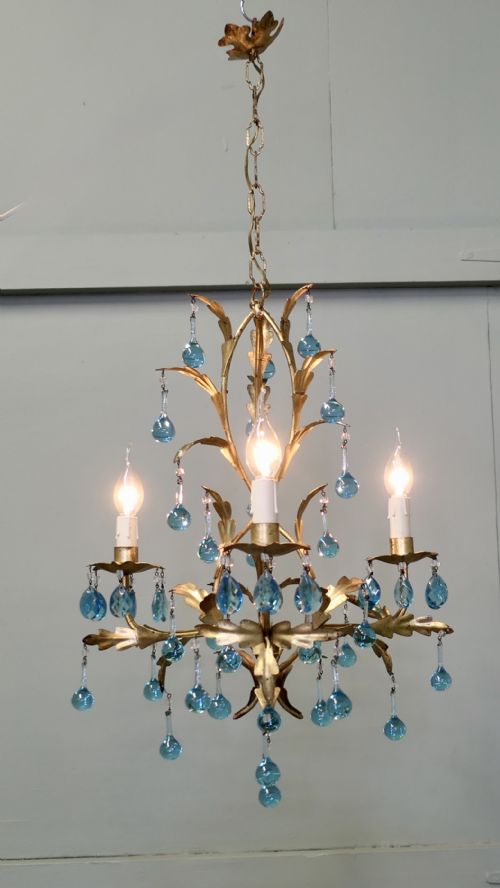
Common forms include tent and waterfall structures, birdcage frames, and Marie Theresa styles. Many examples feature drops, fruits, and beads suspended from metal frames.
Materials and Craftsmanship
Metal frames form the structural skeletons, utilising brass, gilt metal, gilded bronze, iron, and chrome. These metals support the weight of the glass components and electrical or candle fittings.
Pendants and lustres consist of cut glass and crystal, shaped into teardrops, prisms, fruits, and beads. Artisans wired these elements onto the frames using metal pins and connectors.
Hung Crystal Pendants Retail Price Guide 2026
Typical asking prices for hung crystal pendants among the pieces listed under this phrase on Sellingantiques today, from the lower quarter to the upper quarter. They describe what is for sale here now, not the wider market.
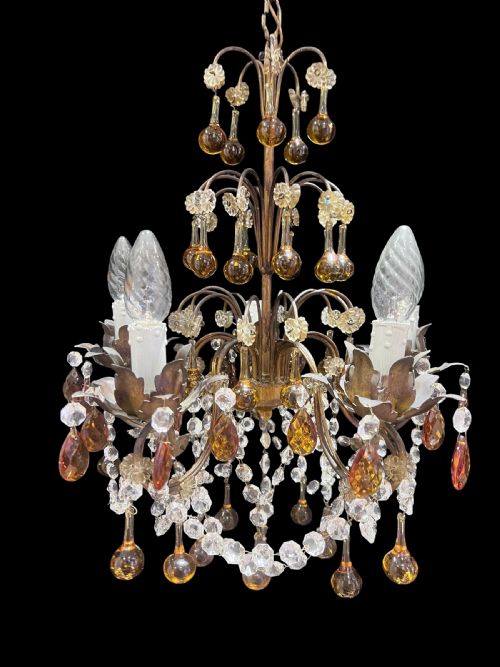
Some antique chandeliers feature delicate glass grapes and mauve fruits dangling beside standard crystal prisms.
Judging Quality
Quality rests in the clarity and cutting of the crystal drops. Deeper facets refract more light, distinguishing superior glass from plain pressed alternatives.
The density and detail of the metalwork dictate the standard of the frame. Heavily chased gilt bronze or intricate brass work elevates a fixture far above simple iron or basic stamped metal.
The Hung Crystal Pendants Glossary
- Crystal
- High-grade glass containing lead oxide, providing increased weight and brilliance. This material catches and splits light into spectral colours more effectively than standard glass.
- Tent and waterfall
- A chandelier configuration where strings of beads form an upper canopy resembling a tent, cascading down over the central lights. This tiered arrangement maximises the surface area for hanging pendants.
- Lustre
- A cut glass pendant hung from a lighting fixture. These pieces multiply the illumination by reflecting candlelight or electric bulbs.
- Marie Theresa
- A flat-backed style of chandelier originating in Austria and Italy, featuring glass-covered metal arms and elaborate crestings. These fixtures often display extensive use of coloured crystal droplets.
- Toleware
- Painted tin or metalware utilised for decorative chandelier bodies. This technique introduces colour and pattern to the metal components.
Hung Crystal Pendants: Frequently Asked Questions
How do I clean hung crystal pendants?
Remove dust gently using a soft microfibre cloth while the fitting remains unpowered.
For deeper cleaning, apply a specialised glass cleaner to a cloth rather than spraying directly onto the fixture, protecting the surrounding metal frame.
Are these vintage lights wired for modern use?
Many surviving fixtures require rewiring to meet current electrical standards. Some retain older wiring or modern updates such as chrome conversion.
Consult a qualified electrician to check the internal components before installation.
What rooms suit a crystal pendant light?
These fixtures fit reception rooms, dining areas, and entrance halls where low-level sparkle creates atmosphere. Their reflective drops disperse light across larger interior spaces.
Ceiling height dictates the scale of chandelier chosen, ensuring adequate clearance underneath.
How do I identify a tent chandelier?
Tent chandeliers feature an upper triangular grouping of strung beads that slopes outward from a central suspension point. This canopy sits above the main body of lights.
Lower waterfall tiers frequently cascade beneath this primary tent structure.