


Howard Armchair
A howard armchair delivers unmatched comfort through deep upholstery and generous proportions, making it the ultimate sitting chair for a traditional interior.
Howard Armchair
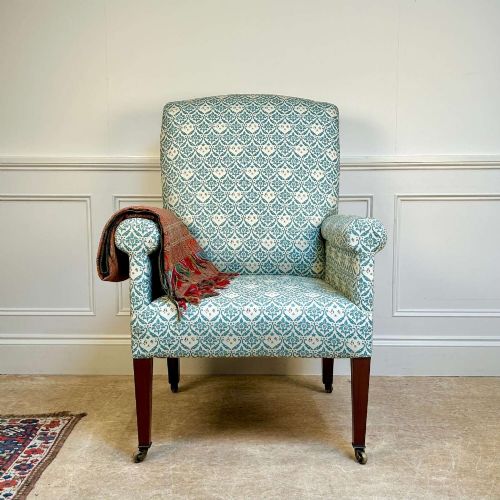
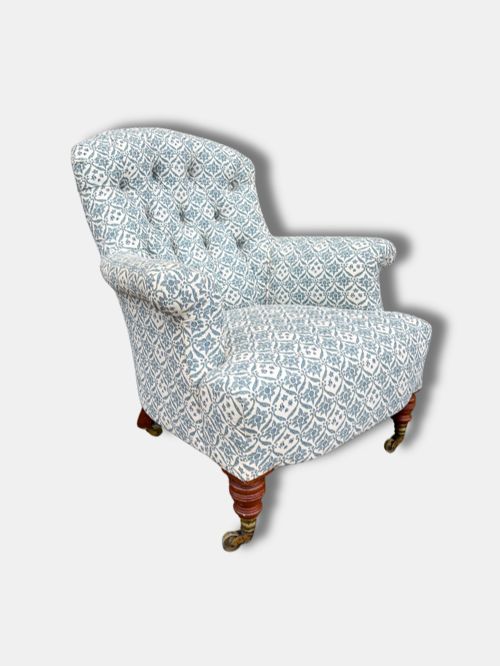
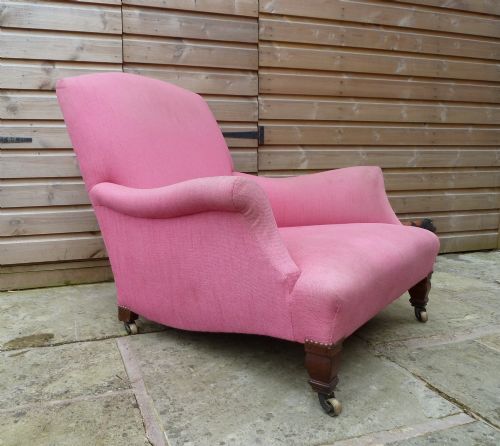
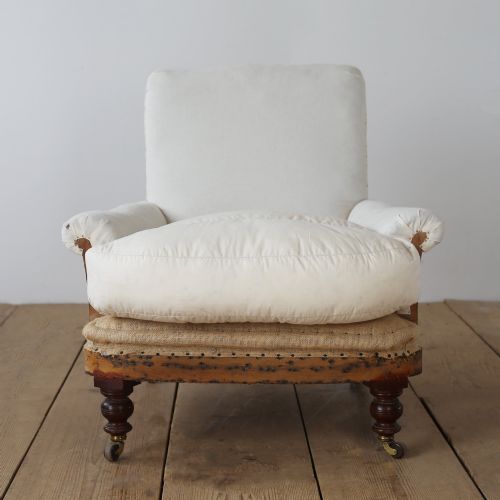
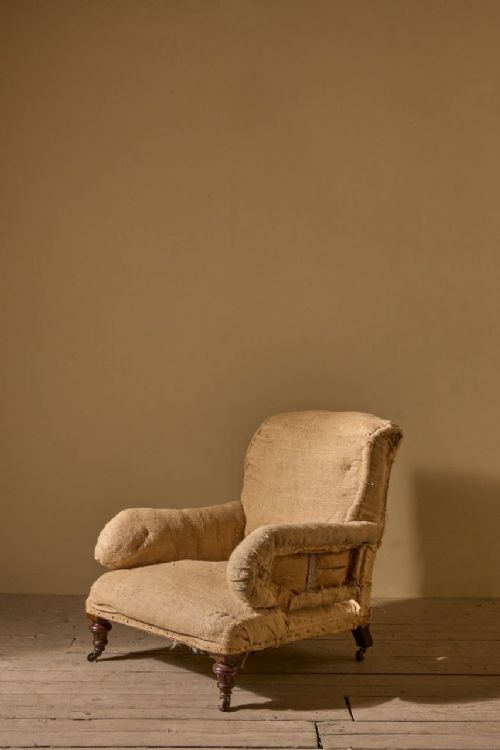
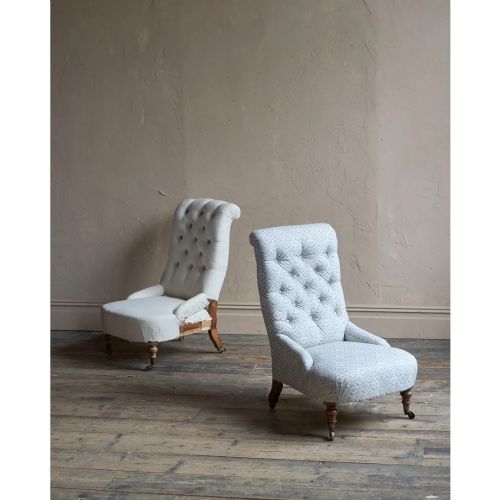
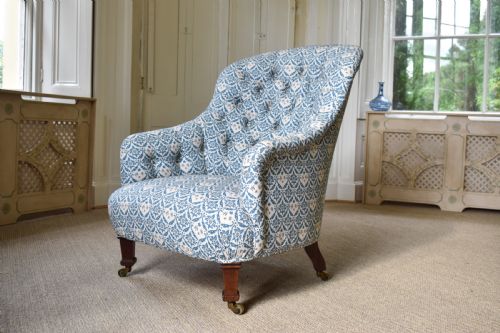
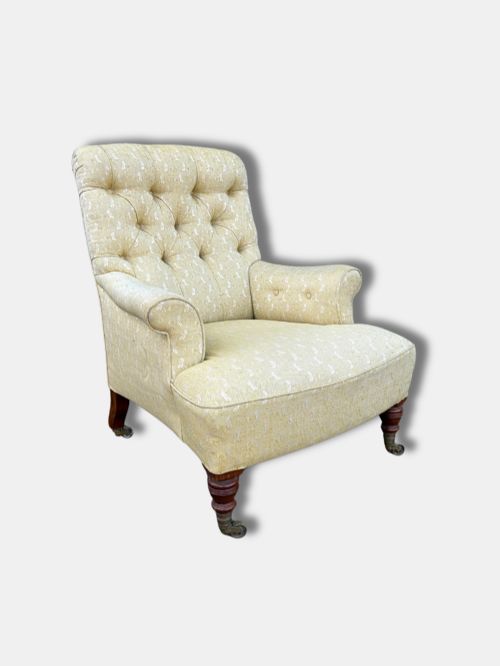
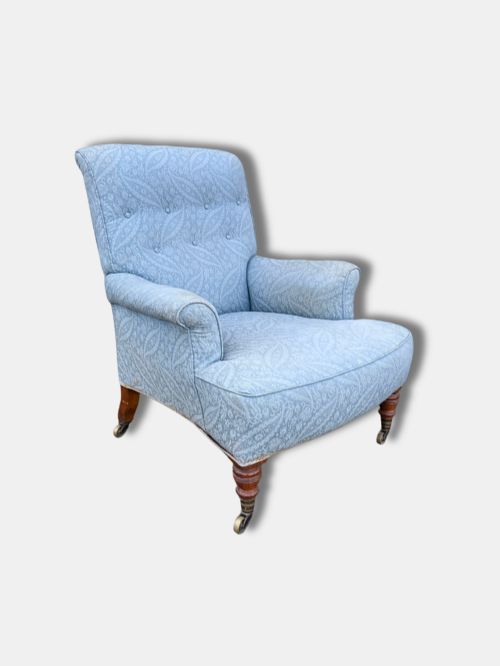
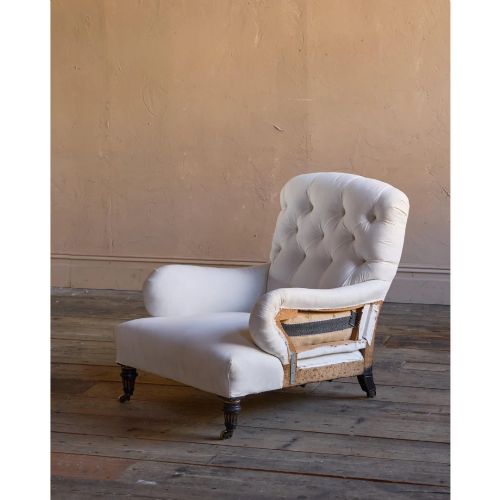
A howard armchair represents the pinnacle of nineteenth and early twentieth century English seating comfort, defined by deep seats and rolled arms. When searching for a howard armchair, buyers encounter pieces ranging from authentic workshop productions to later stylistic interpretations spanning the Victorian and Edwardian eras.
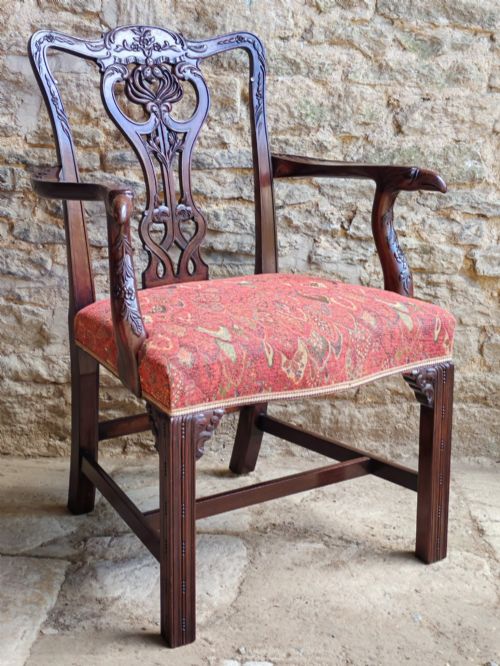
The selection includes armchairs, carvers, bridge-water models, tub chairs, and bedroom chairs. Many examples reflect specific traditional forms such as the Woodstock or Ingleby models, alongside pieces attributed to makers like Robert Strahan.
Origins stretch from mid nineteenth century pieces through to Edwardian incarnations and later interpretations. The defining silhouette remains generous and low-slung, designed specifically for relaxation in English country house interiors.
Construction and Materials
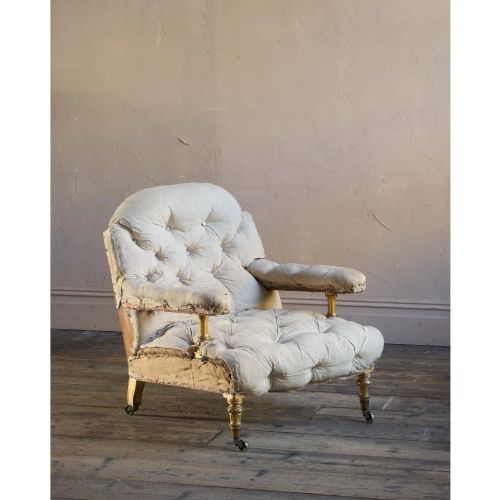
Makers built these frames using sturdy hardwoods such as mahogany and walnut to ensure structural longevity under heavy daily use. Internal stuffing relied on traditional materials like hessian and calico to support the deep coil springing system.
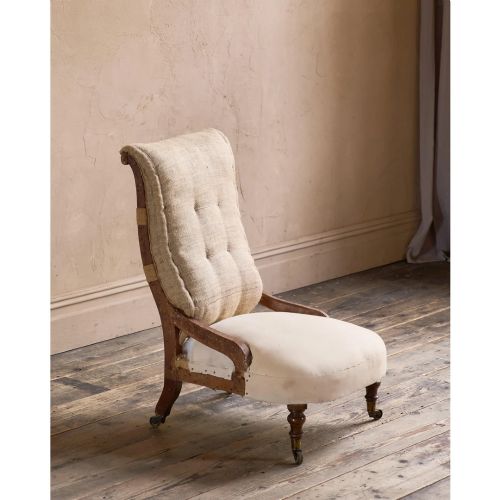
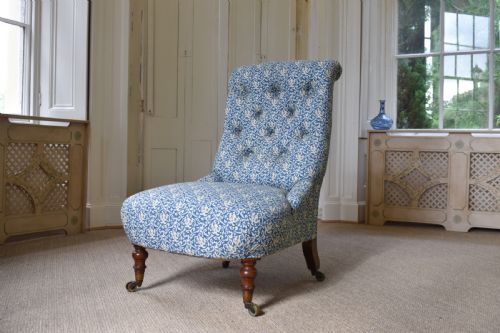
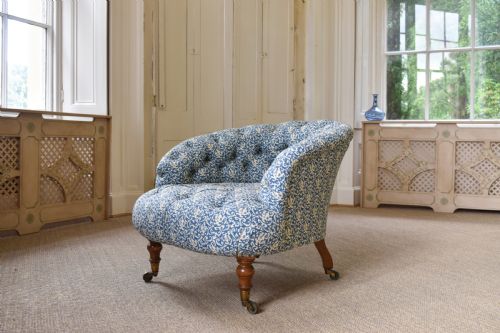
Upholstery finish varied from button-backed fabric to plain covers in blue, green leather, or ivory tones. Castors made of brass frequently fitted the legs to allow easy movement of heavy armchairs across carpeted floors.
Howard Armchair Retail Price Guide 2026
Typical asking prices for howard armchair among the pieces listed under this phrase on Sellingantiques today, from the lower quarter to the upper quarter. They describe what is for sale here now, not the wider market.
Even rolled armrests need a rest sometimes, preferably while contemplating an aesthetic movement leg.
Factors of Quality
The distinction between a top tier example and a standard piece rests upon the integrity of the original frame and the retention of maker markings. Fully stamped pieces or identifiable workshop models command greater interest than unsigned stylistic copies.
Proportion and scale dictate the visual presence of the armchair, with larger country house proportions offering a more commanding aesthetic. The retention of traditional stuffing materials and sturdy internal webbing further separates superior survivors from heavily restored examples.
Howard and Sons·Robert Strahan
The Howard Armchair Glossary
- Button Back
- An upholstery technique where depressions are formed in the padding by pulling buttons deep into the stuffing. This secures the fabric and creates a distinctive geometric pattern across the backrest.
- Calico
- A plain-woven cotton fabric employed as an inner lining layer to contain stuffing materials before the decorative top upholstery is applied. It ensures the internal padding stays firmly in place.
- Carver
- An armchair featuring arms, traditionally designed for the head of a dining table or as an accent seat in a reception room. These pieces match the aesthetic of surrounding dining chairs while offering greater arm support.
- Castor
- A small wheel mounted in a swivel frame attached to the base of each leg. This allows heavy upholstered seating to be moved smoothly across floor surfaces.
Howard Armchair: Frequently Asked Questions
How do I identify an original?
Look for maker stamps on the back legs or castors, alongside traditional construction methods using hardwood frames and hessian webbing. Genuine examples often bear specific model names associated with nineteenth century production.
Comparison with documented pieces from the same period helps confirm authenticity and workshop origin.
Are these chairs comfortable?
These seats are designed specifically for deep lounging, featuring generous proportions and supportive internal springing systems. Their low-slung build and padded arms provide exceptional physical support.
Generous seat depths encourage relaxed seating postures suited to traditional drawing rooms.
What materials were used?
Frames employ hardwoods such as mahogany and walnut, paired with brass castors on the feet. Upholstery foundations utilise hessian and calico beneath outer coverings of fabric or green leather.
Internal padding relies on traditional stuffing techniques built up over coil springs.