


Howard and Sons Lounge
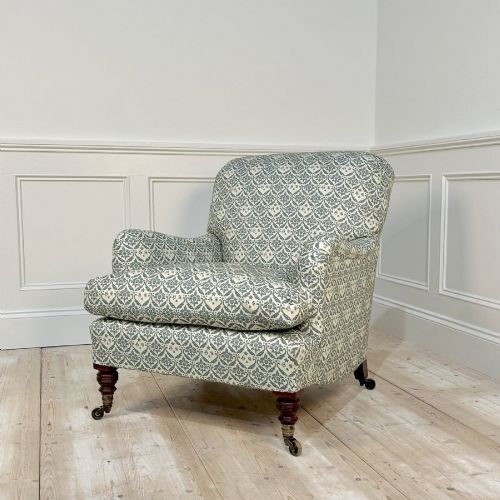
A howard and sons lounge piece brings unmatched English country house comfort, pairing deep sprung seating with robust nineteenth-century framing.
Howard and Sons Lounge
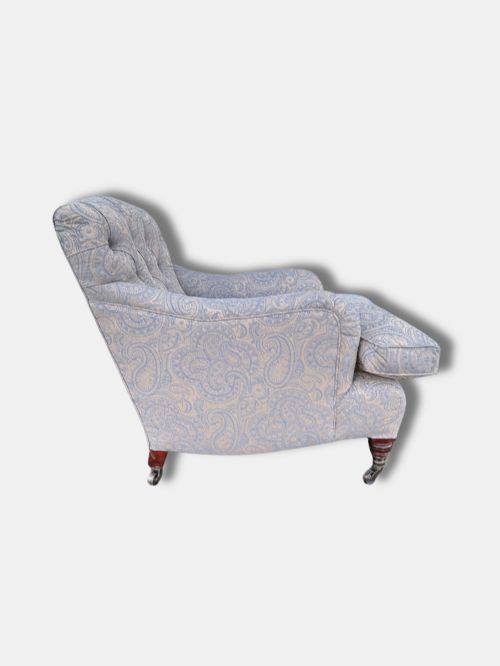
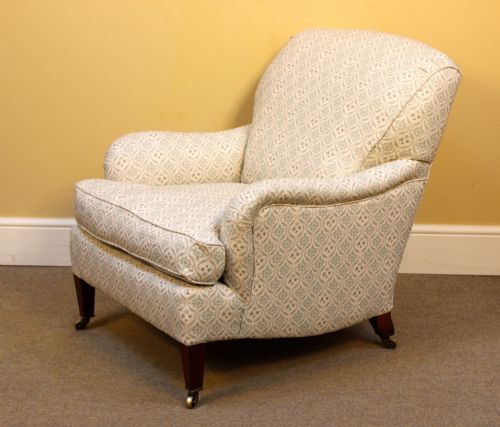
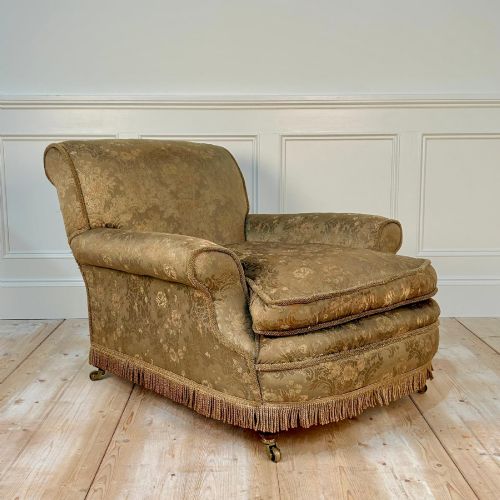
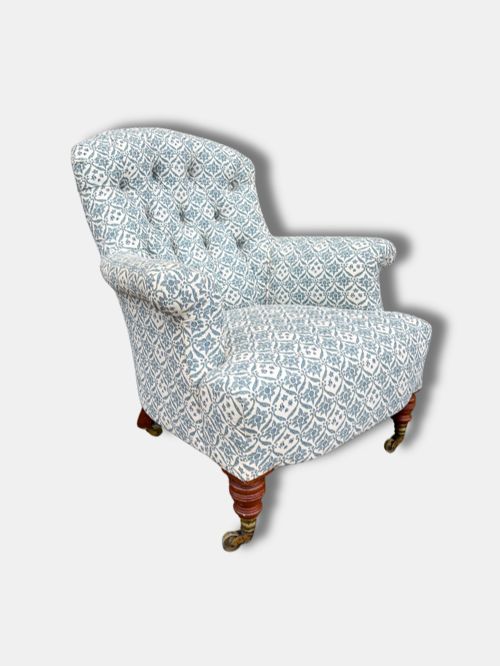
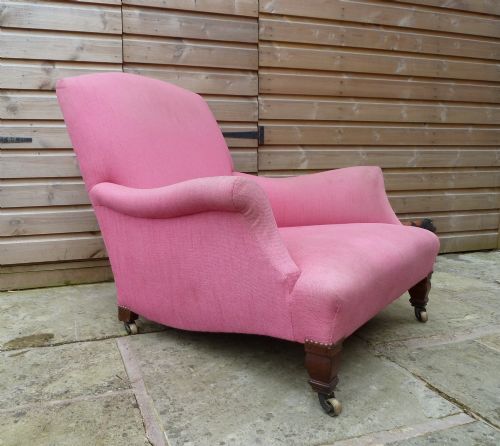
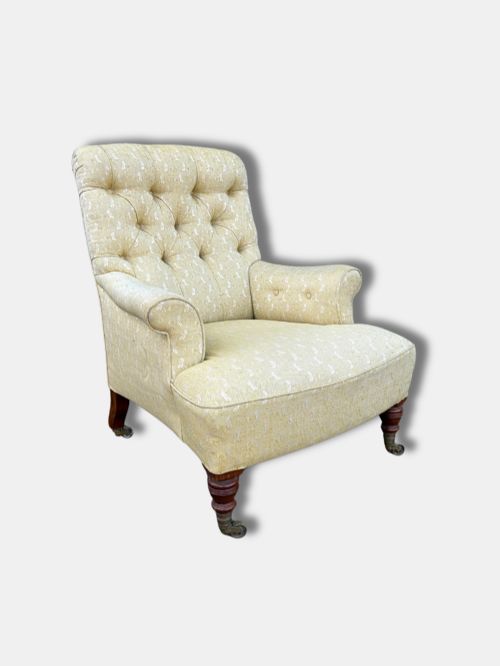
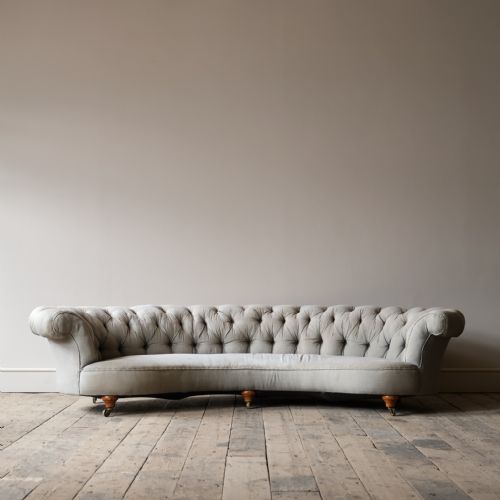
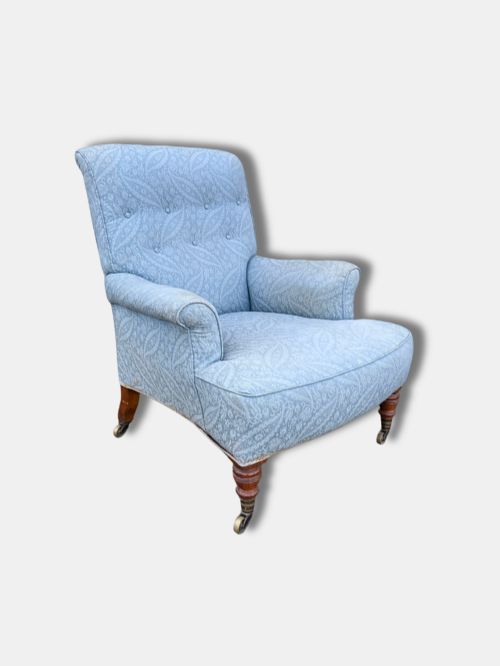
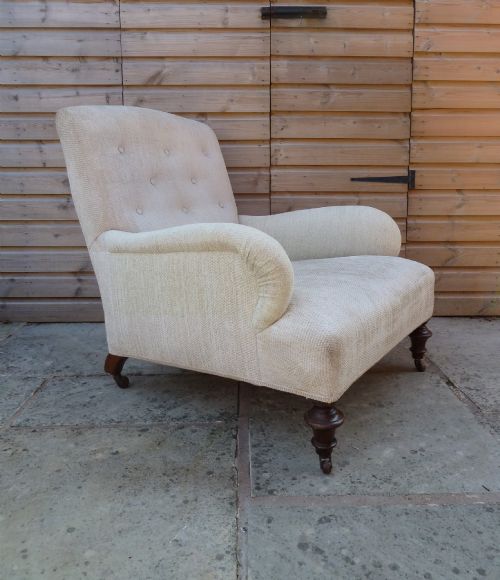
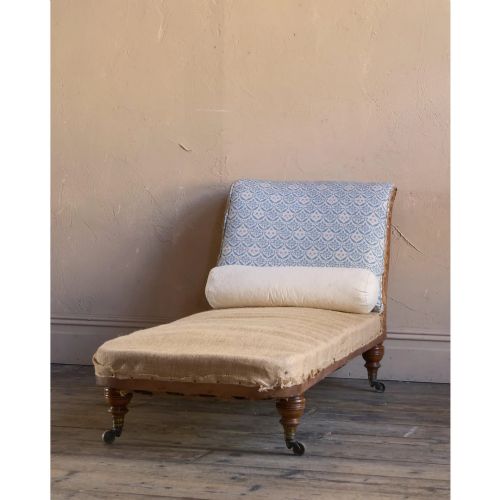
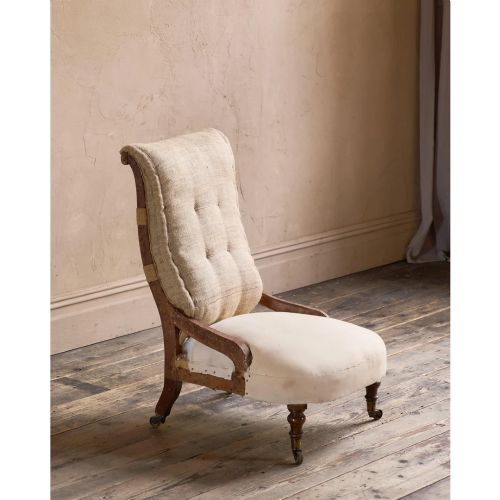
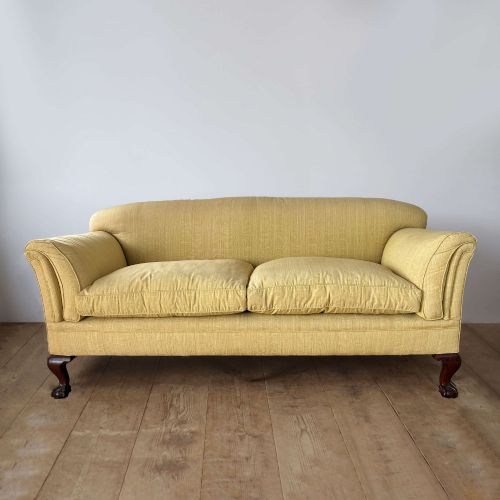
When searching for a howard and sons lounge, buyers encounter deep armchairs, sofas, chaise longues, and daybeds originating primarily from the nineteenth century and the Edwardian era. The most common format is the upholstered club armchair or easy armchair, often bearing specific model names such as Ingleby, Grafton, Ennismore, or Woodstock. Many examples adhere to the classic English country house aesthetic, while others appear as later style pieces.
Original pieces frequently exhibit maker stamps and numbered brass castors that distinguish genuine workshop production from later interpretations. Forms range from button-back and ivory upholstered variants to those covered in traditional ticking fabric, leather, or patterned kilim. Buyers also find matched pairs and single chairs spanning the mid nineteenth century through to nineteen-hundred.
Materials and construction methods
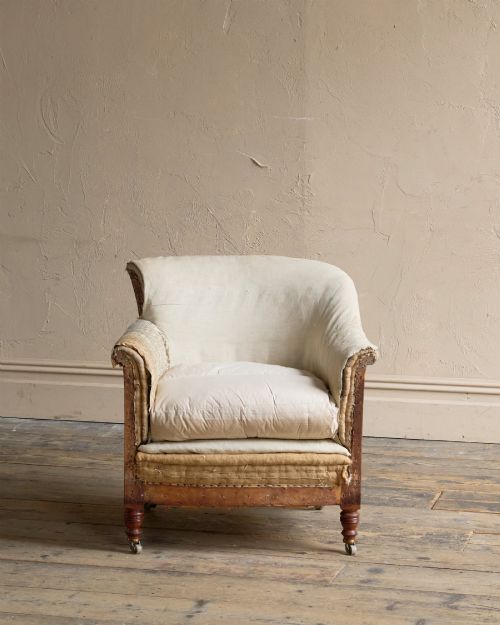
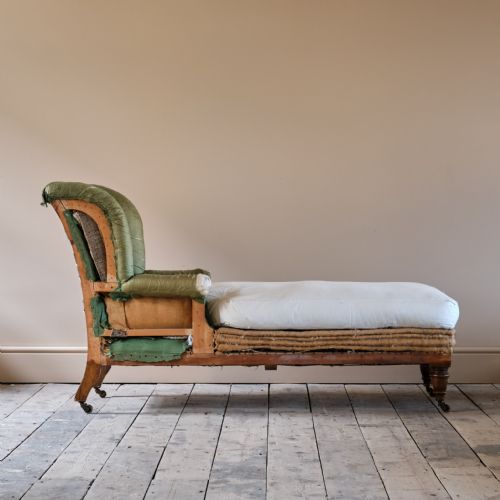
Frames are constructed from sturdy timbers including walnut, mahogany, and general hardwood, providing a rigid internal skeleton designed to support complex coil-sprung upholstery. Makers utilised layers of heavy hessian and durable cotton fabric to build up the deep, resilient cushioning characteristic of the maker.
Visible structural details often include turned legs carved from walnut or mahogany, frequently fitted with original brass castors for mobility. Upholstery treatments vary from plain ticking and cotton to rich leather and velvet, secured with traditional methods that ensure long-lasting structural integrity.
Howard and Sons Lounge Retail Price Guide 2026
Typical asking prices for howard and sons lounge among the pieces listed under this phrase on Sellingantiques today, from the lower quarter to the upper quarter. They describe what is for sale here now, not the wider market.
Some nineteenth-century armchairs hide numbered brass castors beneath their upholstery, acting as secret serial numbers for the workshop.
Distinguishing quality across examples
The distinction between a standard workshop piece and a masterwork lies in the precision of the joinery and the integrity of the internal springing system. Superior examples retain their original stamped components, such as numbered brass castors and manufacturer stamps on the frame, which confirm authentic workshop origin rather than attribution.
The grade of the timber and the condition of the underlying hardwood frame also dictate the standing of a piece. Finer upholstery retention, original ticking fabric, and untouched structural members elevate certain armchairs and sofas above standard nineteenth-century alternatives.
Howard and Sons
The Howard and Sons Lounge Glossary
- Ticking
- A tightly woven cotton or linen fabric traditionally used as a durable foundation or outer covering for heavy upholstery. It is strongly associated with English country house seating.
- Castor
- A small wheel fitted to the base of furniture legs to permit smooth rolling. Genuine examples often feature stamped brass components unique to the workshop.
- Button back
- An upholstery style where depressions are formed in the padding by stitching through to the frame, securing buttons at regular intervals. This technique adds both firmness and visual texture.
- Chaise longue
- An elongated upholstered chair designed for reclining, combining elements of a sofa and a single armchair. They date predominantly from the nineteenth century in this category.
- Kilim
- A flat-woven textile utilised as a decorative upholstery covering on select club armchairs. It provides a distinct patterned finish distinct from plain cotton or leather.
Howard and Sons Lounge: Frequently Asked Questions
How do I spot an authentic piece?
Authentic pieces usually feature maker stamps directly on the wooden frame or on the brass castors beneath the legs. Look for clear workshop branding that confirms the nineteenth-century origin.
Inspect the internal construction for traditional materials like hessian and high-quality hardwood frames. Genuine items also match known model names and historical production standards.
What fabrics were originally used?
Original seating frequently utilised robust ticking fabric, plain cotton, leather, or heavy velvet. These materials were chosen for durability in English country house settings.
Many surviving pieces retain their early upholstery, while others have been recovered over time in matching styles. Ticking remains the most iconic textile associated with these designs.
Are these chairs comfortable for daily use?
These lounge pieces were engineered specifically for deep relaxation, featuring advanced coil springing systems. The generous proportions and supportive armrests make them well-suited for everyday seating.
Their robust hardwood frames and resilient padding ensure they withstand regular use while maintaining structural support. Proper maintenance of the internal springs preserves their ergonomic qualities.
What is the difference between original and style pieces?
Original items were produced directly by the historic firm during the Victorian or Edwardian periods, carrying authentic stamps and maker marks. Style pieces replicate the iconic aesthetic but lack the direct provenance.
Both versions offer the classic English country house silhouette, but collectors generally prize fully stamped period pieces for their historical value.