
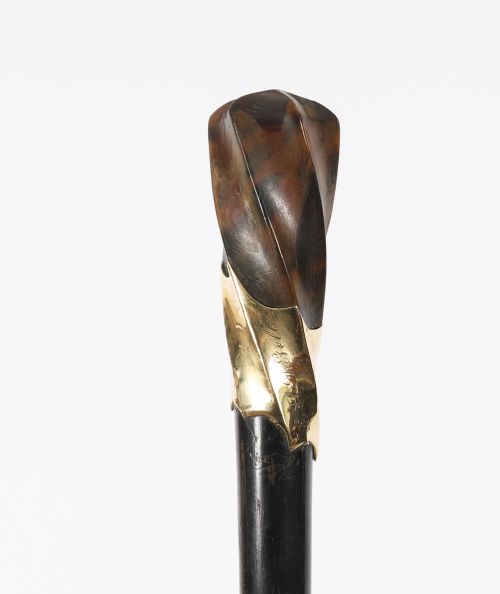


Horn Handled Cane
A horn handled cane brings together robust natural material and functional design, offering a dependable support with a distinct grip.
Horn Handled Cane
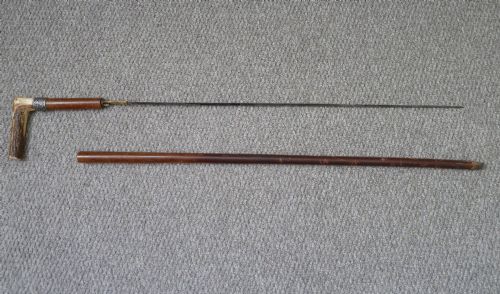
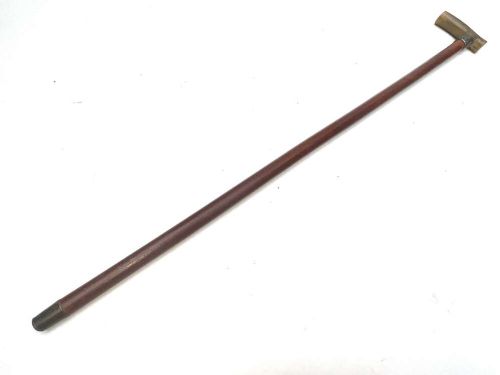
A horn handled cane encompasses a variety of walking sticks, sword sticks, and gadget canes encountered across the nineteenth and early twentieth centuries. These pieces typically combine a sturdy wooden shaft with a shaped grip formed from horn, antler, or similar natural materials.
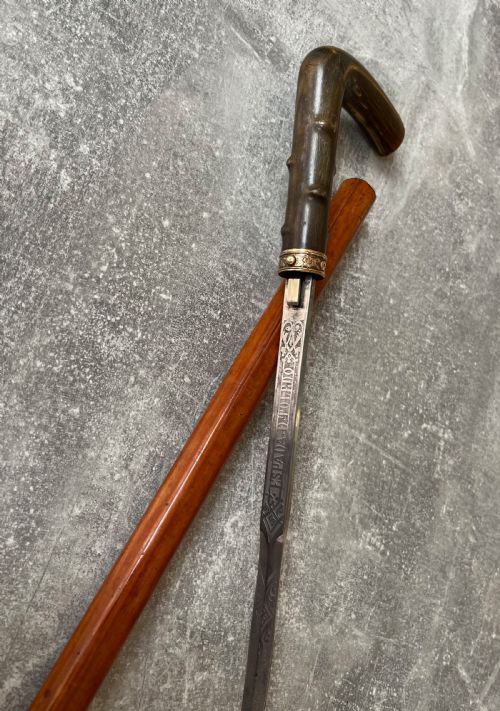
The versions most frequently met on this page date from the Victorian and Edwardian eras, spanning timber shafts alongside specialised formats like riding crops and multi-use items. Makers often incorporated collars of silver or gold alongside blades and hidden tools.
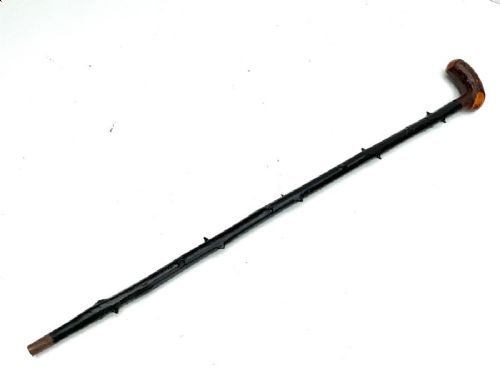
Origin variations range from traditional Irish blackthorn and English manufactories to nineteenth century French workshops. Each piece reflects the functional requirements and stylistic preferences of its period of origin.
Quality variations in horn handled canes
Quality separates standard utilitarian items from sophisticated pieces through the intricacy of the horn carving and the selection of shaft materials. Superior examples feature detailed handles shaped as animals or rabbits alongside precious metal collars.
The inclusion of functional mechanisms, such as concealed blades, corkscrews, or musical elements, distinguishes finer pieces. The integration between the handle, collar, and shaft indicates the level of craftsmanship involved.
The inventory includes maritime folk art items alongside traditional Irish blackthorn and French sword sticks.
Brigg's·Swaine Adeney Brigg
The Horn Handled Cane Glossary
- Pommel
- A rounded knob or handle fitted to the top of a cane. This part provides the primary grip for the user.
- Collar
- A metal band encircling the shaft just below the handle. It often bears hallmarks, maker marks, or owner initials.
- Malacca
- A type of rattan cane known for its strength and mottled brown finish. It forms the flexible and durable shaft of many walking sticks.
- Sword stick
- A hollow walking stick designed to conceal a blade within the shaft. These pieces often feature button releases.
- Gadget stick
- A walking cane incorporating a hidden utilitarian tool such as a corkscrew or musical flute. These functional items reflect nineteenth-century ingenuity.
Horn Handled Cane: Frequently Asked Questions
How do I date a horn handled cane?
Dating relies on stylistic clues, materials, and any silver hallmarks present on the collars. Records often point to the nineteenth or early twentieth century based on manufacturing traits.
Changes in fashion and the presence of specific maker names also help narrow down the period of production.
What are sword sticks?
Sword sticks are walking canes equipped with a concealed blade inside the wooden shaft. A button release typically secures the blade until needed.
These items combined everyday support with personal protection during the nineteenth century.
How should I care for horn handles?
Horn handles require protection from extreme temperature fluctuations and excessive dryness to prevent splitting. Gentle cleaning with a soft cloth maintains the natural surface.
Keeping the cane away from direct sunlight preserves both the horn and the attached wooden shaft.
What materials make up the shafts?
Shafts utilise various woods and natural materials including malacca, rosewood, blackthorn, and even shark vertebrae. Each material offers distinct flexibility and weight.
Collars of silver, brass, or gold-coloured metal frequently join the shaft to the horn grip.
What is a gadget cane?
A gadget cane incorporates a hidden utility, such as a corkscrew, a flute, or a blade, within its structure. These multifunctional pieces were popular in the Victorian era.
Owners used them for leisure, travel, or covert daily utility.