






Historical Profile Art
Historical profile art captures exact human likenesses in silhouette, miniature and relief, offering an intimate window into past lives.
Historical Profile Art
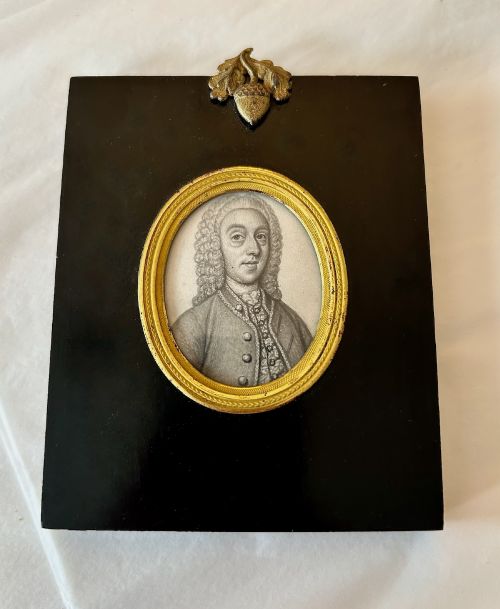
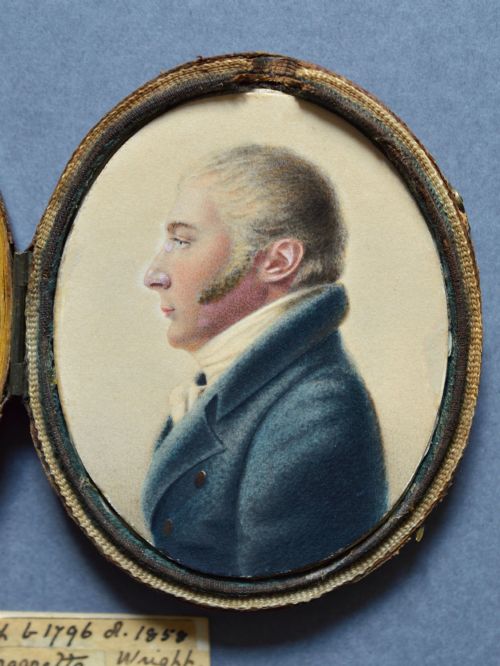
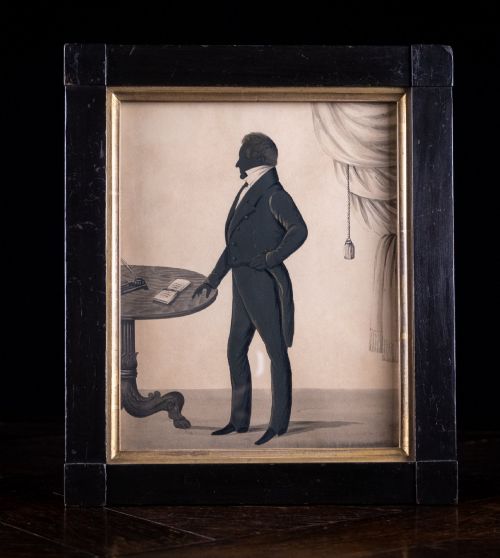
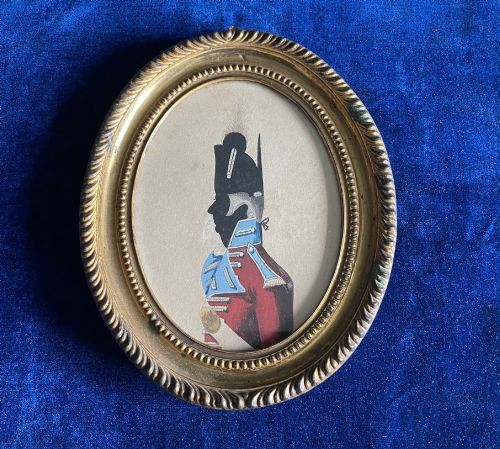
Historical profile art comprises portraits and likenesses rendered from the side, capturing the distinct contours of a sitter's face through painting, drawing, cutting or casting. Pieces found here span from the eighteenth century through to the late nineteenth century, encompassing Georgian, Regency and Victorian aesthetics.
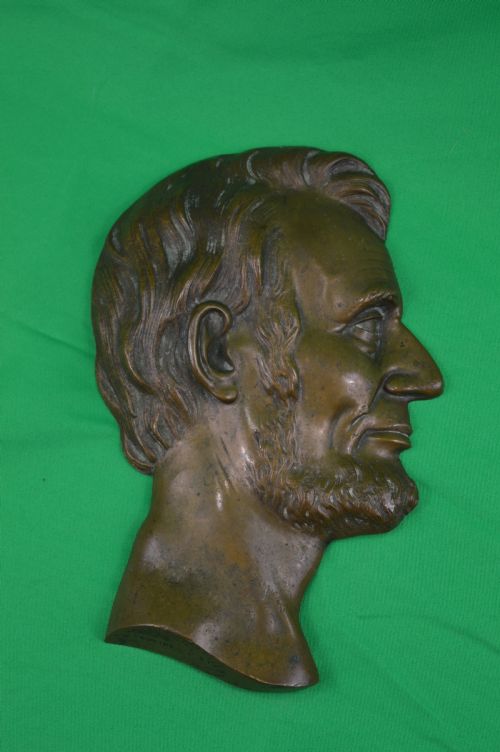
The objects take several distinct forms, most notably silhouette portraits, portrait miniatures and framed artworks. These range from delicate works on paper and glass to heavier cast iron and bronze wall plaques.
Subjects include named historical figures, military personnel and private individuals, offering a direct physical connection to past centuries through meticulous draftsmanship and silhouette cutting.
Materials and technique
Three-dimensional representations relied on heavier casting techniques, utilising bronze, cast iron and plaster. Gold leaf accents were often applied to enhance the contrast and detail of silhouettes.
Historical Profile Art Retail Price Guide 2026
Typical asking prices for historical profile art among the pieces listed under this phrase on Sellingantiques today, from the lower quarter to the upper quarter. They describe what is for sale here now, not the wider market.
Listings feature works from the eighteenth and nineteenth centuries, spanning the Georgian, Regency, Victorian and Edwardian styles.
Evaluating quality and execution
Quality rests upon the precision of the profile line and the confidence of the hand behind the work. Skilled artists captured recognisable likenesses and proportions using minimal brushstrokes or cleanly cut paper.
The preservation of the original medium, whether watercolour pigment, fragile plaster or early glass, dictates the integrity of the piece. Period frames and original mountings also contribute significantly to the overall authenticity.
James Sharples·Thomas John Horsley·Augustin Edouart·John Miers·Sir Nathaniel Dance-Holland
The Historical Profile Art Glossary
- Silhouette
- A portrait rendered as a solid dark shape, typically a profile, cut from paper or painted onto card, glass or plaster.
- Portrait miniature
- A small, highly detailed painting executed on paper, vellum or ivory, popular before the widespread adoption of photography.
- Giltwood
- Wood carved and coated with gold leaf or a gold-coloured finish, commonly used for historical picture frames.
- Plaster
- A composition material used as a base for moulded relief profiles and painted silhouettes during the eighteenth century.
Historical Profile Art: Frequently Asked Questions
What is historical profile art?
Historical profile art refers to painted, drawn or cast likenesses of people shown from the side. These works date primarily from the eighteenth and nineteenth centuries.
They serve as early visual records of individuals before the invention of photography, preserving personal appearance through ink, watercolour, silhouette and metal relief.
How do I date a profile portrait?
Dating relies heavily on the sitter's costume, hairstyle and the materials used in the backing and frame. Regency and Georgian pieces often feature distinct clothing styles and specific framing techniques.
Signatures, artist stamps on the reverse, or inscriptions naming the sitter provide the most reliable chronological anchors.
Are these portraits of famous people?
The subjects vary widely between well-known historical figures, military officers, literary icons and ordinary private citizens. Named sitters are frequently identified through ink inscriptions on the reverse of the frame or contemporary records.
Unidentified sitters remain common, representing anonymous members of past societies preserved through portraiture.