




Historical Miniature Art
Historical miniature art encompasses delicate portraits and scenes rendered on a small scale, offering an intimate glimpse into past centuries.
Historical Miniature Art
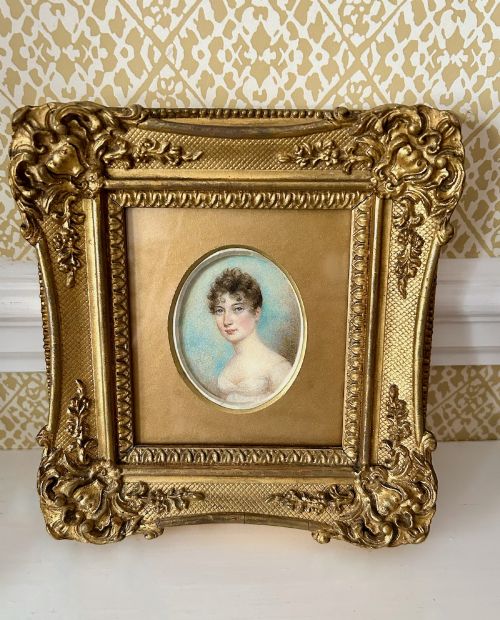
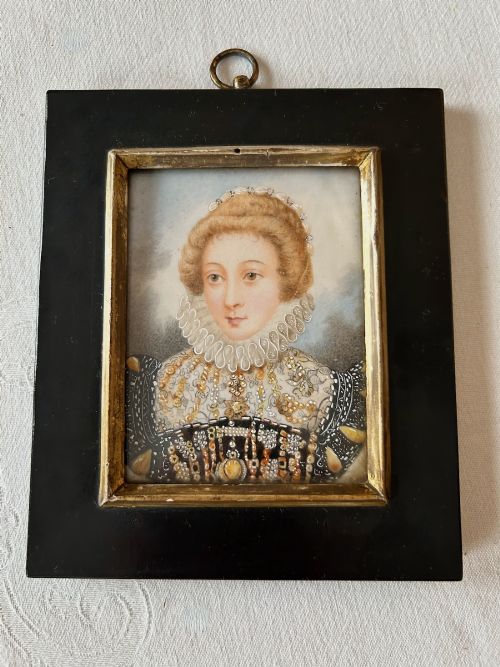
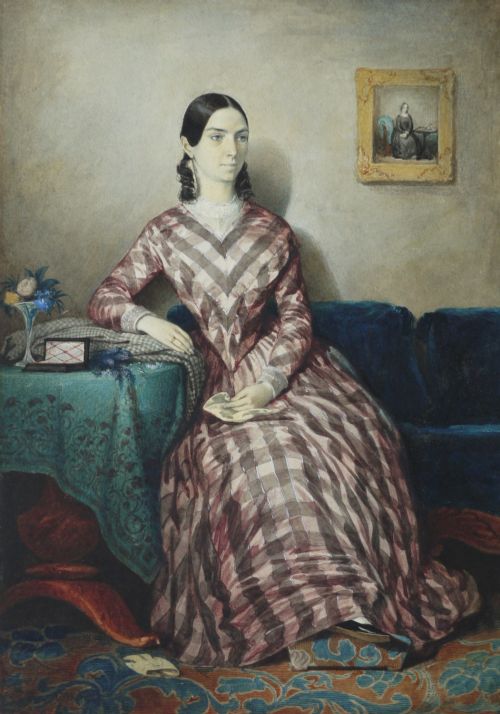
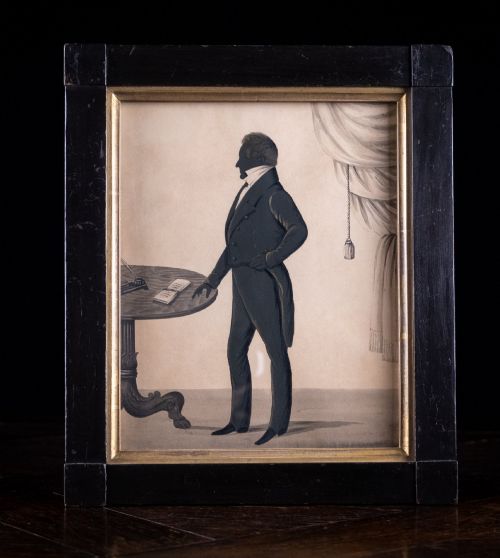
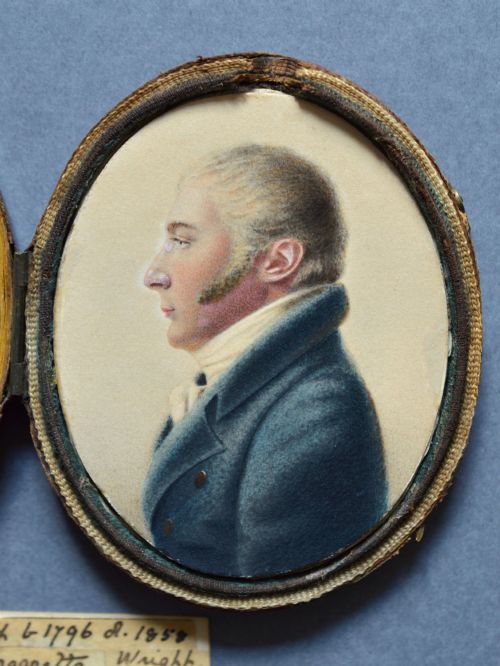
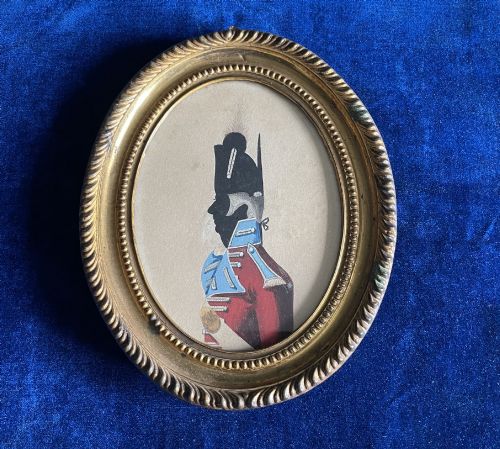
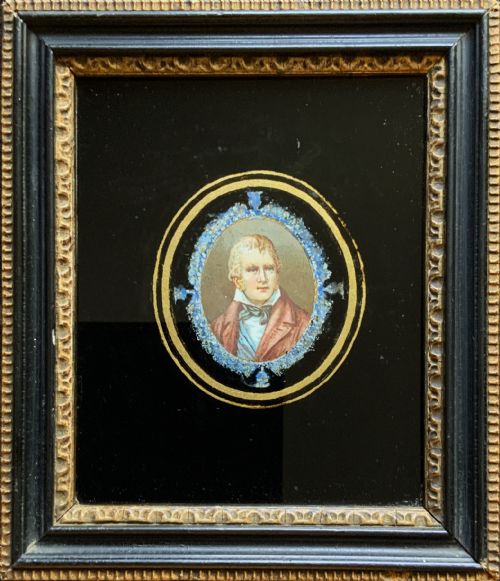
Historical miniature art on this page primarily comprises portrait miniatures and silhouette portraits executed in watercolours, oils, and pencil. These works span from the 17th century through the Victorian era, capturing notable historical figures, military personnel, and private citizens.
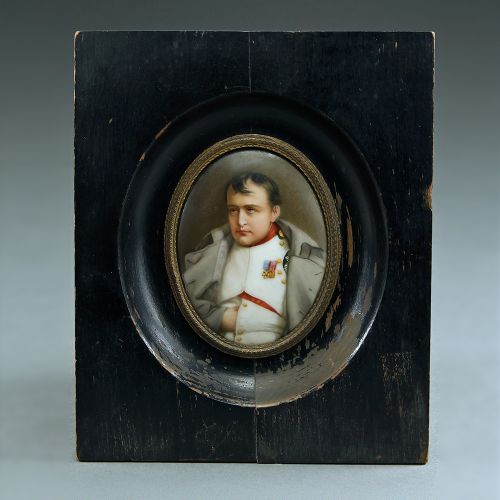
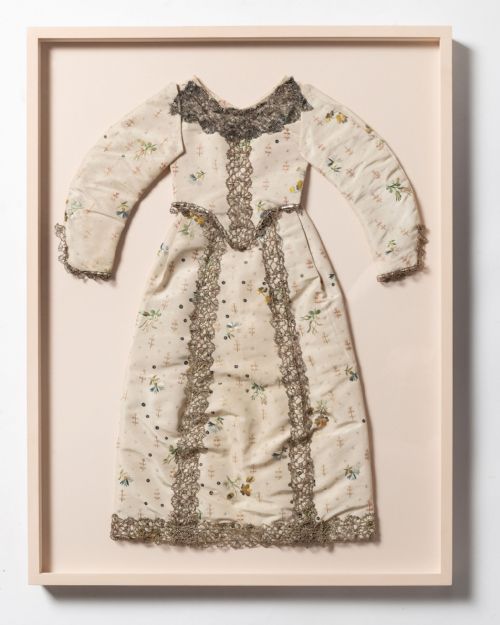
The assortment includes framed artworks, silhouette profiles on plaster, and miniature paintings on copper, alongside framed textiles. Pieces range from Georgian and Regency examples to later 19th-century interpretations of historical subjects like Napoleon.
Collectors encounter works attributed to specific artists as well as pieces from the American Folk Art and European schools. The dominant forms remain intimate painted likenesses and precise silhouettes designed for close inspection.
How They Were Made
Artists utilised media such as watercolour, gouache, pastel, and oil paint, often applying them to paper or directly onto copper plates. Precise details were achieved using fine brushes and sharp pencils, creating depth within a very restricted surface area.
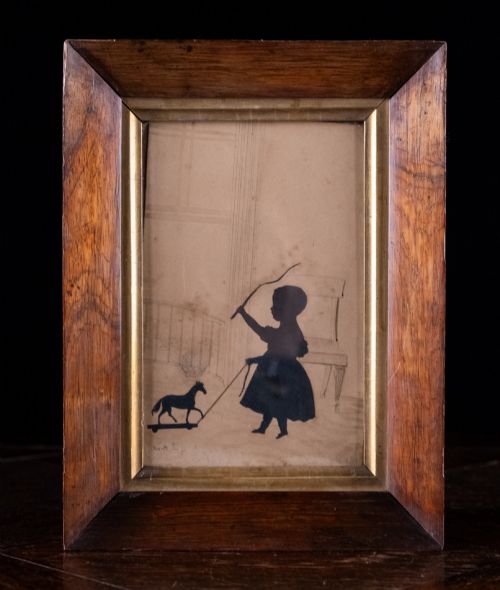
Silhouettes were rendered as gilded cut paper or painted directly onto plaster, capturing profiles with stark economy of line. Finished works were secured behind glass within ebonised wood, giltwood, or Hogarth frames, frequently incorporating brass or gold leaf accents.
Materials recorded across current items include glass, paper, ebonised wood, giltwood, brass, and gold leaf.
What Varies in Quality
Quality rests upon the precision of the draughtsmanship and the psychological depth captured in the sitter's expression. Master miniature painters commanded subtle facial shading and fine textural rendering of hair and costume, whereas lesser hands produced stiff, formulaic likenesses.
The integrity of the original housing also dictates standing. Works preserved in their period frames with original glass and undisturbed backing boards retain a superior historical context compared to those subjected to later remounting.
Alessandro Cittadini·Henri Fradelle·James Sharples·Thomas John Horsley·Augustin Edouart·J Bizo·George Hargreaves·Thomas Woolnoth·John Miers·Edward Smyth·Sir Peter Lely·George Perfect Harding·John Scougall·Sir William John Newton·Gerrit Schipper
The Historical Miniature Art Glossary
- Portrait Miniature
- A small-scale painting, typically executed in watercolour or oil, designed to be held in the hand or worn. These intimate works required immense precision.
- Silhouette
- A profile portrait filled in with a solid dark colour, most often black, or depicted as a cut paper outline. They gained widespread popularity during the 18th and 19th centuries.
- Ebonised Wood
- Timber treated with a finish to imitate ebony, commonly utilised for dark, polished picture frames. This treatment provided a sharp contrast to gilded highlights.
- Giltwood
- Wood that has been coated with gold leaf or gold paint. It frequently forms the decorative borders of period display frames.
- Copper Plate
- A sheet of metal utilised as a rigid painting support by artists. Painting on copper permitted exceptionally smooth surfaces and fine detail.
Historical Miniature Art: Frequently Asked Questions
What is historical miniature art?
Historical miniature art consists of small-scale paintings and silhouettes created between the 17th and 19th centuries. These works record the likenesses of historical figures and private individuals with remarkable precision.
Created using watercolours, oils, and pencil, these portable objects allowed people to carry portraits of family members or monarchs. They represent a specialised tradition of portraiture that prioritised intimacy over grand scale.
How were portrait miniatures displayed?
Portrait miniatures were frequently framed in ebonised wood or giltwood and hung upon walls as domestic decoration. Many were also fitted with stands or designed to be worn on the person.
Protecting the delicate paint surfaces required glass covers and sealed backing boards. This housing ensured the watercolours and oils survived centuries without significant atmospheric degradation.
What materials were used for miniatures?
Artists painted miniatures on paper, card, plaster, and copper plates using watercolours, gouache, or oil paint. These surfaces supported the creation of fine, detailed brushwork.
Frames incorporated materials like brass, gold leaf, and ebonised wood to complement the artwork. The combination of durable supports helped preserve the pigment over long periods.