



Historical Embroidery Panel
A historical embroidery panel brings centuries of needlework into a room, offering tactile glimpses of domestic skill from Georgian and Victorian parlours.
Historical Embroidery Panel
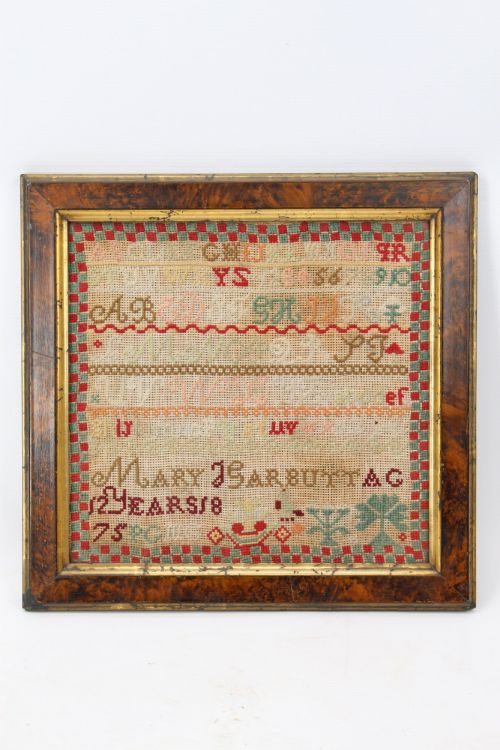
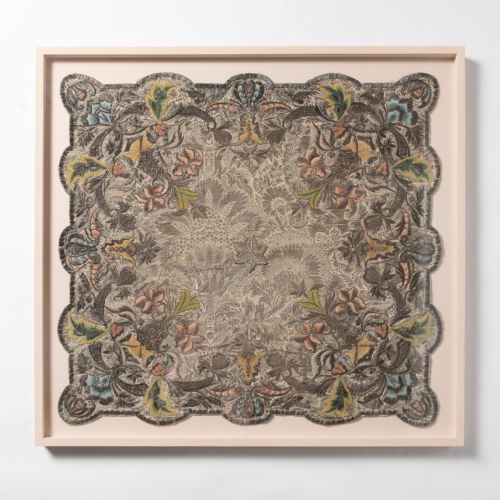
A historical embroidery panel comprises textile art and needlework samplers created across the seventeenth, eighteenth, and nineteenth centuries. These framed works often display silk, wool, and metal thread stitched onto linen grounds.
Buyers will encounter needlework samplers bearing names and dates, alongside framed Dutch and French pictorial panels. Scottish tapestry needlepoint and English coifs represent the diverse textile art available on this page.
Pieces span Victorian, Georgian, Jacobean, and French Rococo styles, reflecting the distinct ornamental preferences of their respective periods. Most examples arrive mounted behind glass within wooden frames.
How they were made
Maker execution relies upon linen grounds worked with varied selections of silk, wool, and thread. Many panels incorporate metal thread to add reflective detail and texture to the stitched surface.
Completions are typically housed in wooden frames, frequently incorporating gilded wood mouldings to protect the fragile textiles from handling and environmental wear. Glazing guards the delicate fibres against dust and direct contact.
Historical Embroidery Panel Retail Price Guide 2026
Typical asking prices for historical embroidery panel among the pieces listed under this phrase on Sellingantiques today, from the lower quarter to the upper quarter. They describe what is for sale here now, not the wider market.
Current listings feature needlework samplers and framed panels spanning the 17th, 18th, and 19th centuries, utilising linen, wool, silk, and metal thread.
What varies in quality
Distinctions in quality emerge through the complexity of the stitchwork and the preservation of the materials. Panels employing intricate metal thread and varied stitches demand greater technical proficiency than standard execution.
The survival of vibrant colour within silk and wool threads elevates a panel's visual impact. Original framing and legible maker details or dates contribute further distinction to surviving examples.
The Historical Embroidery Panel Glossary
- Coif
- A close-fitting cap worn in earlier centuries, often decorated with elaborate embroidery. Early examples display dense needlework on fine linen.
- Sampler
- A piece of needlework produced to demonstrate proficiency in various stitches. These frequently record the maker's name, age, and date.
- Metal thread
- Flat or wound metallic wire used in embroidery to create gleaming highlights. It appears in advanced works alongside silk and wool.
- Needlepoint
- A type of canvas work stitched with yarn or thread to cover the ground completely. It forms durable pictorial and decorative surfaces.
Historical Embroidery Panel: Frequently Asked Questions
How should I hang an antique embroidery panel?
Keep textile panels away from direct sunlight to prevent the fading of silk and wool threads. Stable indoor humidity protects both the fabric ground and the wooden frame.
Ensure the piece hangs securely from appropriate wall fixings without placing strain on the antique frame or backing.
What periods do these textile panels represent?
The available pieces span from the seventeenth century through the eighteenth and nineteenth centuries. Each era brings distinct materials, colour palettes, and stitching techniques.
Victorian and Georgian samplers sit alongside earlier Jacobean and French Rococo pictorial works.
How are embroidery panels typically framed?
Most examples are presented behind glass within wooden frames to protect the fragile fibres from dust and touch. Some feature gilded wood surrounds that complement the stitched imagery.
Glazing provides a barrier while allowing the detailed needlework to remain fully visible.
Can I identify the maker of a sampler?
Many nineteenth-century samplers include stitched names, dates, and occasionally the maker's age. Records such as school names or locations sometimes appear within the composition.
Earlier seventeenth and eighteenth-century panels less frequently name the maker, focusing instead on pictorial or decorative motifs.