

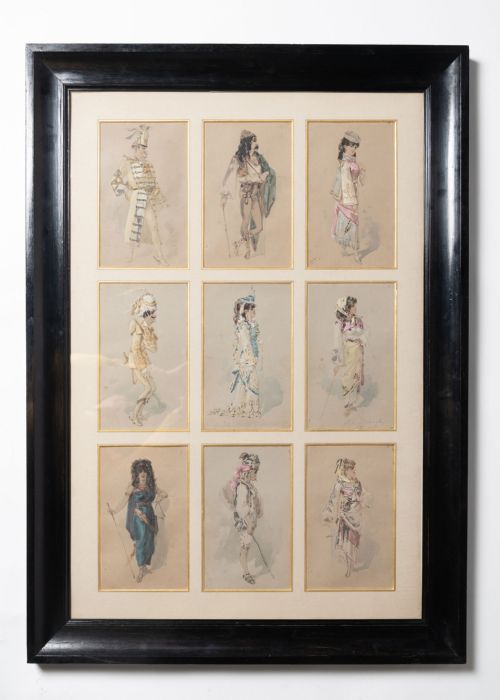
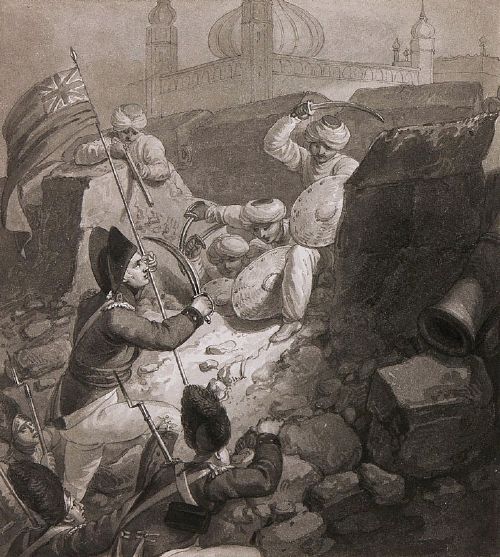
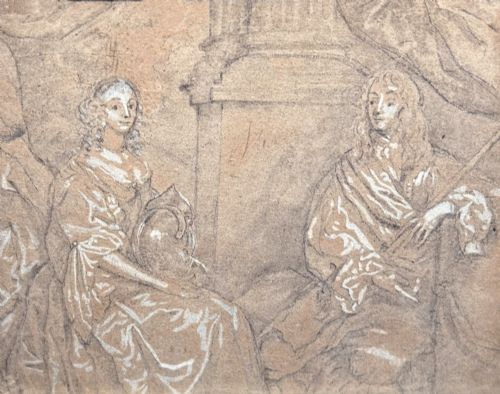




Historical Art Study
Historical art study pieces bring centuries of academic draftsmanship, portraiture and classical narrative into your home.
Historical Art Study
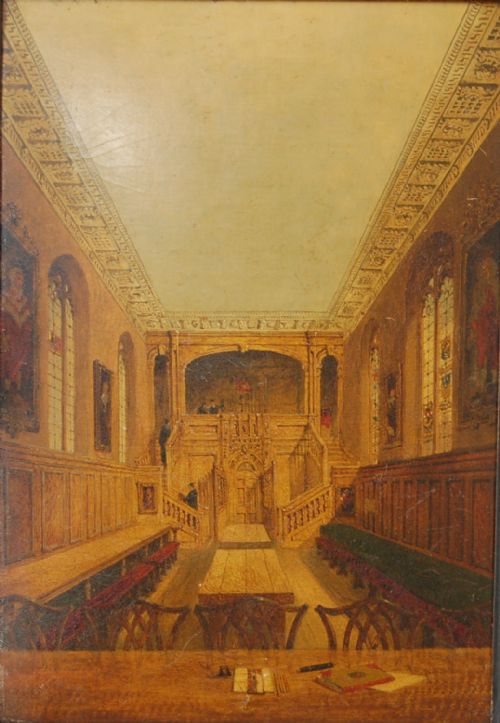
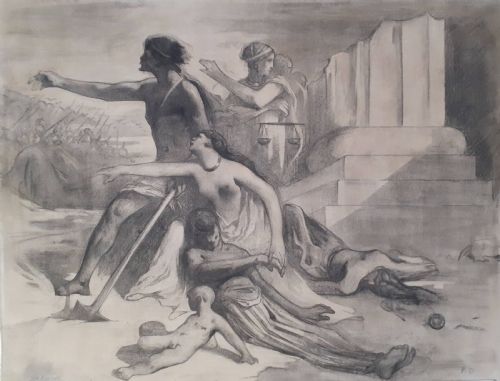
A historical art study encompasses academic drawings, oil paintings, portraits and preparatory works spanning from the seventeenth century through to the early twentieth century. You will encounter works executed in diverse media, including pen and wash, graphite, pastel, gouache and oil on copper or canvas. These pieces capture historical events, academic figure drawings, allegorical scenes and notable portraiture rooted in distinct periods such as the Baroque, Georgian and Regency eras.
Originating predominantly from British, French and Danish artistic traditions, these works reflect the rigorous training methods of past academies. You will find both finished historical compositions and preliminary studies that reveal the underlying working methods of the artist. Each piece offers a direct tangible link to the aesthetic priorities and documentary practices of its period.
Materials and Technique
Artists relied on traditional supports such as laid paper, stretched canvas, wood panels and specialised copper plates to receive their media. Ground layers and primed surfaces prepared these supports for the application of oil paint, ink washes, graphite and chalk. The meticulous preparation ensured the longevity of the pigments and the stability of fine preparatory lines.
Draftsmanship formed the foundation of these works, executed through precise graphite pencil, pen and ink, or chalk to establish proportion, perspective and anatomical accuracy. Layering techniques followed, building translucent washes of ink or rich applications of oil paint and gouache to create depth and volume. Framing in period gilt or timber mouldings often completed the presentation, protecting the fragile paper or canvas surfaces.
Historical Art Study Retail Price Guide 2026
Typical asking prices for historical art study among the pieces listed under this phrase on Sellingantiques today, from the lower quarter to the upper quarter. They describe what is for sale here now, not the wider market.
Listings feature paper, canvas and copper supports utilised across the seventeenth, eighteenth and nineteenth centuries.
Evaluating Quality
Quality rests upon the sureness of the line, the accuracy of anatomical or architectural proportion and the psychological depth of a portrait. A master study or academic submission demonstrates confident handling of shadow and light, whereas lesser works reveal hesitation in the draftsmanship or stiffness in the rendering of figures.
The preservation of the original medium significantly influences the standing of a piece, particularly in works on paper susceptible to fading or foxing. Strong contrast in ink and wash, minimal disruption to the pigment layer, and the retention of the original framing or mounting elevate the historical and aesthetic standing of the artwork.
William Marshall Craig·Peter Lely·François-André Vincent·Peter Paul Rubens·Frederick Christian Lund·Theobald Chartran·John Scougall·Eadweard Muybridge·Joseph Murray Ince
The Historical Art Study Glossary
- Academic Art
- A style of painting and sculpture produced under the influence of European academies of art. It follows strict classical standards and rigorous preparatory training.
- Pen and Wash
- A drawing technique combining fine ink lines for contour with diluted ink or watercolour applied with a brush for tonal shadow. This method creates rapid atmospheric depth.
- Oil on Copper
- A painting executed on a thin sheet of polished copper metal. This surface provides a remarkably smooth ground that preserves brilliant luminous detail over centuries.
- Grand Prix De Rome
- A prestigious French scholarship for art students providing a stay in Rome. Submissions for this prize required exceptional mastery of classical composition and the human figure.
Historical Art Study: Frequently Asked Questions
What is an academic art study?
An academic art study is a preparatory or instructional artwork created by a student or professional artist to master composition, anatomy, or lighting. These pieces often focus on the human figure, historical narratives, or architectural spaces in line with formal academy standards.
Such works provide insight into the rigorous training methods of past centuries. They highlight the technical processes that preceded the creation of large finished gallery paintings.
How should I display works on paper?
Works on paper such as graphite, pastel and ink drawings require careful framing behind conservation-grade glass to block ultraviolet light. Keeping them away from direct sunlight prevents fading and preserves the delicate pigments.
Maintain stable indoor humidity levels to protect organic paper fibres and wooden frames from warping. Professional framing ensures the artwork remains properly distanced from the glass surface.
What is the difference between an oil painting and a study?
An oil painting is typically a finished, fully rendered composition intended for exhibition or commission. A study is an exploratory piece focusing on a specific element, such as a head, a draped fabric, or a battle formation.
Studies often exhibit a looser, more energetic application of paint or ink. Collectors frequently prize them for revealing the unpolished creative thought process of the artist.
How do I identify the period of a portrait?
Period identification relies on examining the sitter's costume, hairstyle and framing style alongside the physical characteristics of the paper or canvas. Specific artistic conventions of the seventeenth, eighteenth and nineteenth centuries also offer clear chronological clues.
Inscriptions, signatures, or historical documentation on the reverse of the work often provide definitive dates. Comparing the handling of the medium to dated works by known artists further narrows the timeframe.