



Historic Wooden Desk
These historic wooden desk pieces combine period craftsmanship with functional form, offering character and utility for any interior.
Historic Wooden Desk
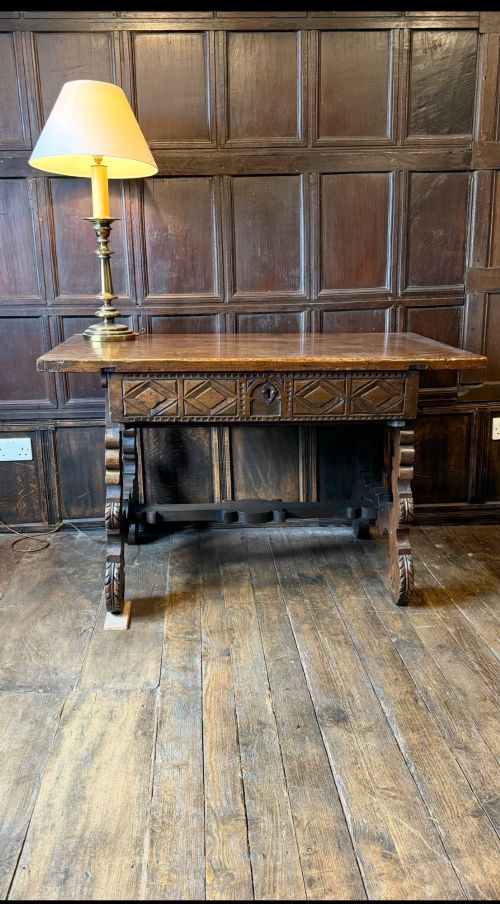
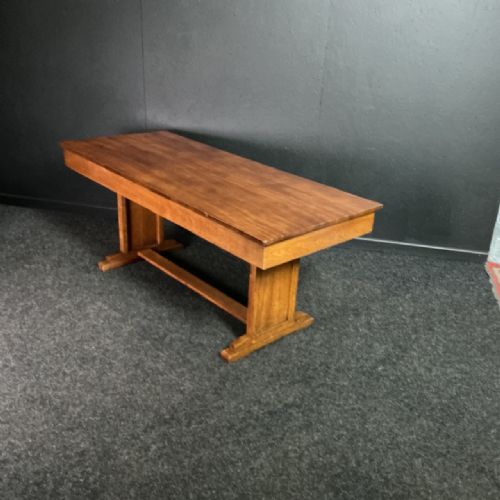
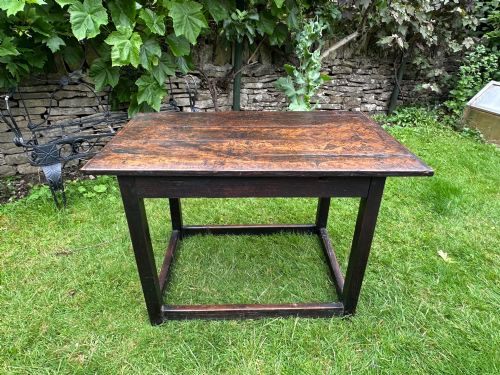
When you search for a historic wooden desk, you find an assortment of utilitarian and decorative items spanning several centuries. The pieces range from substantial library tables to compact desk boxes and side tables intended for writing or storage.
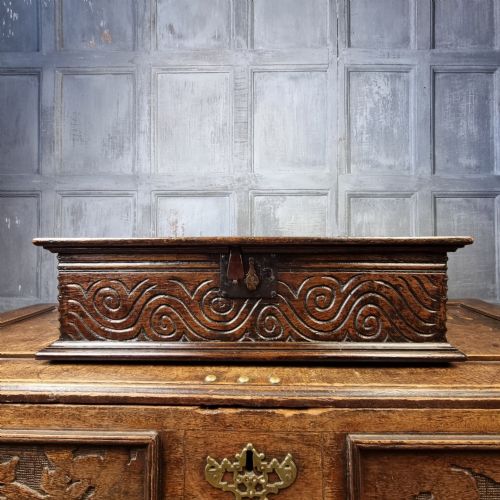
Oak and walnut dominate the earlier examples, with robust plank tops and carved friezes appearing on seventeenth and eighteenth century items. Later pieces introduce mahogany and ebonised wood alongside metal components and brass fittings.
How they were made
Carpenters and joiners built these items using solid hardwoods like oak, mahogany, and walnut, often employing traditional jointing methods to ensure durability. Iron and brass hardware such as hinges, handles, and brackets provided functional reinforcement and closure.
Surfaces frequently show hand-planed finishes and carved details, reflecting the manual labour involved in their construction. Internal drawers and compartments utilised secondary timbers, fitted together with careful attention to proportion and daily utility.
Historic Wooden Desk Retail Price Guide 2026
Typical asking prices for historic wooden desk among the pieces listed under this phrase on Sellingantiques today, from the lower quarter to the upper quarter. They describe what is for sale here now, not the wider market.
Some oak boxes retain secret internal drawers once reserved for hidden ink and quills.
What varies in quality
Quality rests in the selection of timber and the crispness of any carved decoration, such as friezes on boxes and tables. Superior examples display thoughtful proportions and well-preserved original surfaces rather than heavy modern restoration.
The integrity of internal elements, including small drawers and compartment dividers, distinguishes a well-made desk box or table. Hardware originality also plays a role, as intact period brasses contribute to the piece's overall cohesion.
Piggin Norwich
The Historic Wooden Desk Glossary
- Plank top
- A surface constructed from wide wooden boards joined edge to edge, commonly found on earlier tables.
- Frieze
- The horizontal band beneath the upper edge of a table or box, frequently decorated with carved motifs.
- Bracket clock
- A portable household clock designed to sit on a shelf or desk, often housed in a wooden case.
- Ebonised wood
- Timber treated with a dark finish to imitate the appearance of ebony, popular in Victorian cabinet making.
Historic Wooden Desk: Frequently Asked Questions
What materials are used in historic wooden desk pieces?
The pieces utilise traditional timbers including oak, walnut, and mahogany, paired with structural metals like brass and iron.
Surface treatments and hardware vary according to the period of manufacture, from seventeenth century joinery to later nineteenth century cabinet work.
How do I care for a wooden desk box?
Keep the wood away from direct heat sources and sudden humidity changes to prevent the timber from splitting or warping.
Dust regularly with a soft dry cloth and apply occasional wax polish suited to antique surfaces to maintain the finish.
Are these items suitable for everyday use?
Many of the tables and smaller boxes remain robust enough for regular placement in a study or living area.
Care should be taken with delicate surfaces and historical mechanisms to preserve their condition over time.
How can I tell the age of a wooden table?
Age is determined by observing construction methods, tool marks, timber selection, and stylistic details typical of specific centuries.
Examining internal components and secondary woods often reveals the manufacturing traditions of the period.