




Historic Table
A historic table carries centuries of domestic life within its timber, offering robust utility and deep period character to any interior.
Historic Table
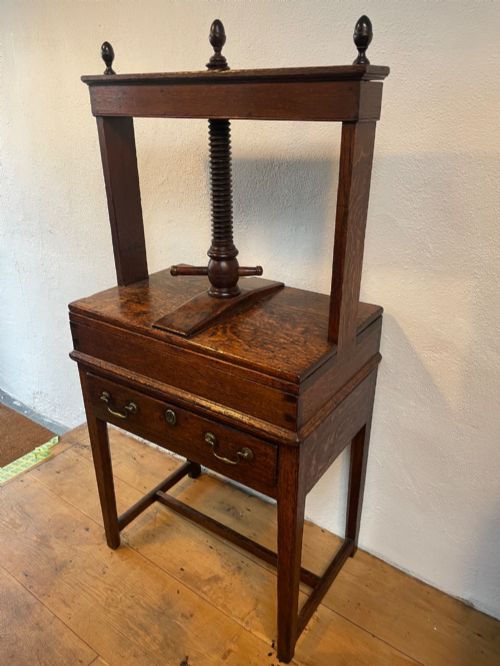
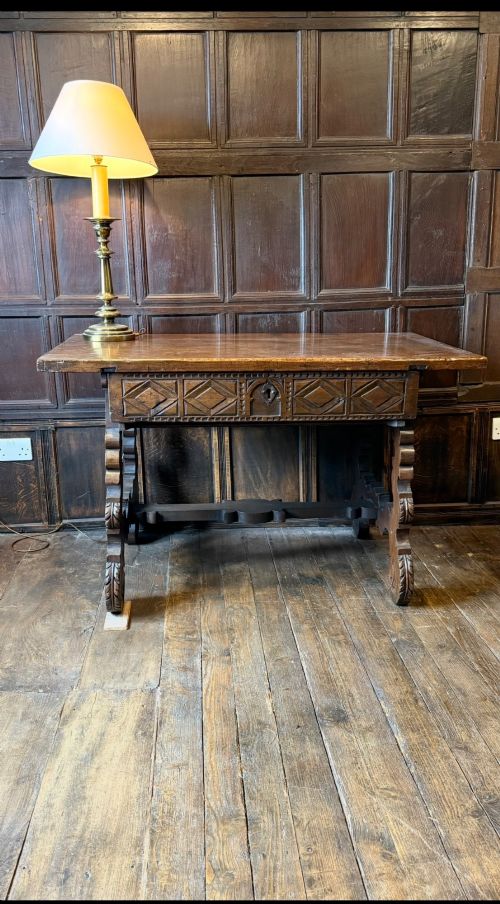
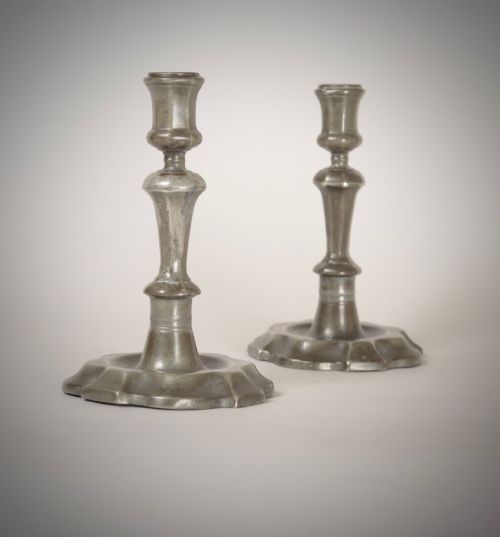
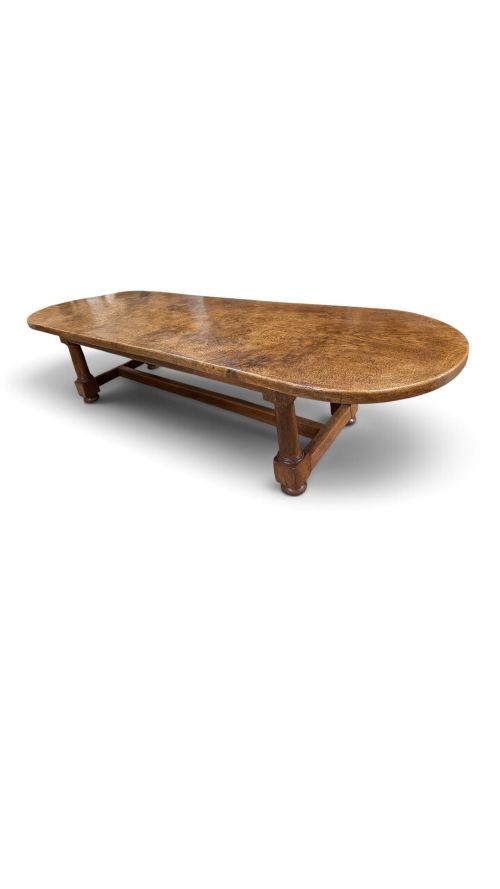
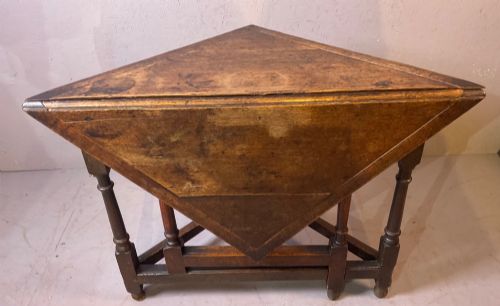
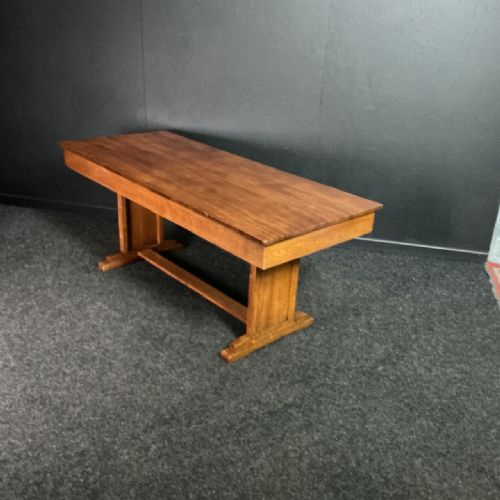
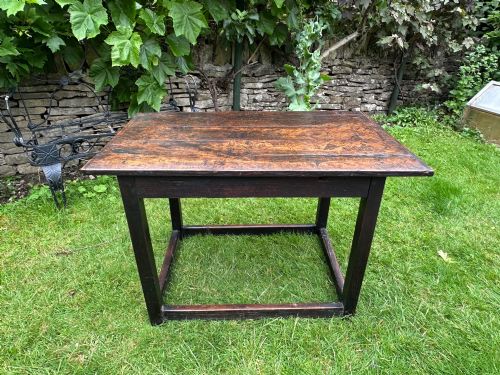
When searching for a historic table, buyers encounter a diverse selection ranging from expansive oak refectory forms to compact walnut side tables. These pieces span multiple centuries, capturing the evolving domestic needs of past households.
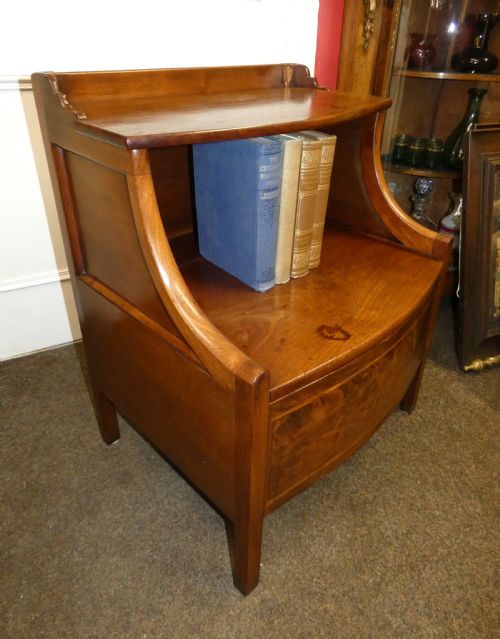
The versions most frequently met on this page include sturdy oak plank top designs and refined mahogany dining or library forms. Alongside traditional dining surfaces, the category extends to specialised items like bedside commodes and console tables.
Origins stretch across significant eras, incorporating Georgian proportions, Jacobean influences, and later revivals from the early twentieth century. Each specimen reflects the architectural and social priorities of its specific period of manufacture.
Materials and construction
Construction relies heavily on native timbers such as oak and walnut, selected for structural stability and longevity. Craftsmen utilised traditional joinery methods to assemble heavy plank tops and robust frames without relying on modern hardware.
Surface finishes and secondary materials include brass fittings and flame mahogany veneer on select refined examples. Timber selection dictated the eventual strength and appearance of each surface, guiding the maker in executing specific regional styles.
Historic Table Retail Price Guide 2026
Typical asking prices for historic table among the pieces listed under this phrase on Sellingantiques today, from the lower quarter to the upper quarter. They describe what is for sale here now, not the wider market.
Listings feature historic tables spanning the 17th Century, 18th Century, 19th Century, and early 20th Century.
Assessing quality and craftsmanship
Quality separates examples by the integrity of their timber and the preservation of original surfaces. Superior pieces display thoughtful proportions and careful execution in joints and mouldings.
The distinction between ordinary and exceptional tables rests in the depth of patination accumulated through age. Honest wear and untouched structural components elevate a piece far above heavily restored or altered equivalents.
Frank Moss Bennett·WAS Benson·Piggin Norwich·Francis Alleyne·John Smith
The Historic Table Glossary
- Refectory table
- A long, narrow dining table traditionally used in monasteries and large households. These surfaces typically feature substantial timber planks supported by thick legs and sturdy stretchers.
- Plank top
- A table surface constructed from broad boards of solid timber joined edge to edge. This method creates a durable top often found on early oak dining and farmhouse forms.
- Credence table
- A folding or multi-legged side table originating in the medieval and early modern periods. These versatile surfaces were frequently utilised for displaying plate or serving food.
- Side table
- A small domestic table designed to stand against a wall rather than occupy the centre of a room. Such forms provide convenient surface space in hallways, parlours, and bedrooms.
- Patina
- The surface sheen and colour developed by timber and metal over decades or centuries of use. This natural ageing process indicates the age and authenticity of an antique.
Historic Table: Frequently Asked Questions
How do I care for an old oak table?
Maintain timber surfaces by applying natural beeswax occasionally to nourish the wood and protect against drying out. Avoid placing antique tables near direct heat sources or in areas with fluctuating humidity.
Use coasters and felt pads beneath objects to prevent moisture rings and scratching on historic finishes. Regular dusting with a soft, dry cloth preserves the underlying patina without stripping surface character.
Can I use a historic table every day?
Solid timber tables from earlier centuries were built for rigorous daily domestic service and remain entirely functional for modern living. Their robust construction handles regular dining and working tasks with ease.
Exercise sensible caution with hot dishes and liquids by using protective mats to safeguard the antique finish. Respecting the age of the timber ensures these surfaces continue serving households for generations.
How do I identify the period of a table?
Examine the construction methods, tool marks, and fastener types visible beneath the top and around the frame. Hand-cut joints and original fixings provide clear clues regarding the date of manufacture.
Compare the overall design proportions and decorative motifs against established stylistic periods represented in the materials. Regional building traditions also influence the specific characteristics observed on older pieces.
What is a refectory table used for?
Refectory tables were originally designed to accommodate large communal dining gatherings in monasteries, castles, and great halls. Their elongated rectangular proportions provided ample seating space for numerous diners.
In contemporary interiors, these substantial surfaces function effectively as large dining tables or grand library desks. Their enduring structural strength accommodates active modern use while anchoring a room with period presence.