




Historic Silver
Historic silver encompasses centuries of tangible craft, offering collectors functional objects and personal ornaments forged from precious metal.
Historic Silver
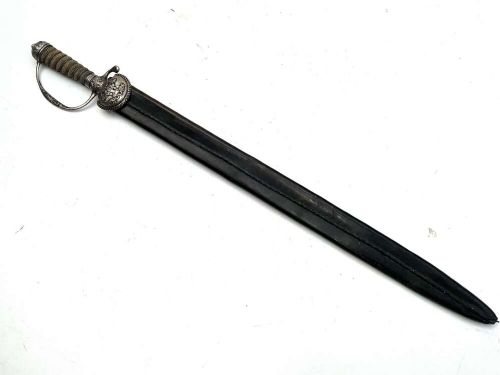
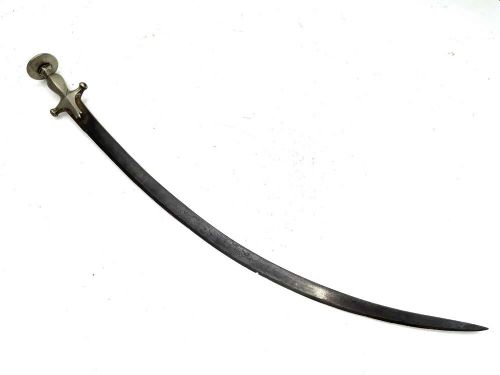
Historic silver covers pieces spanning from the seventeenth century through the twentieth century, taking forms ranging from domestic tableware to personal accessories and weaponry.
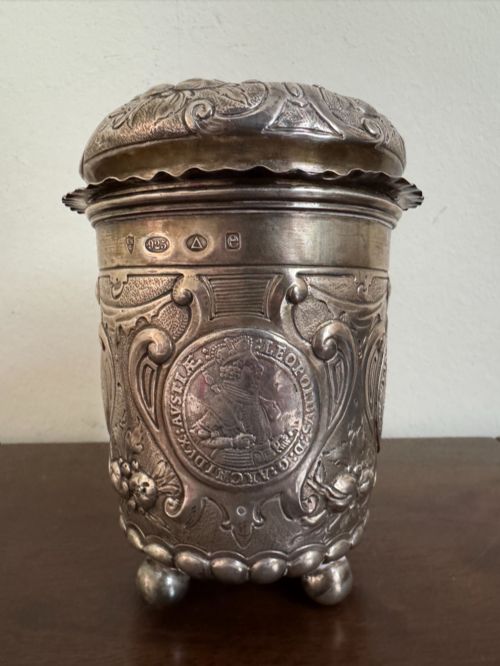
The objects listed under historic silver include practical eating utensils such as spoons, alongside functional vessels like lidded beakers and scent bottles.
Buyers frequently encounter seventeenth-century spoons and eighteenth-century buckles among these offerings, reflecting periods of distinct stylistic shift and metalwork development.
How they were made
Silver items of these periods rely on sterling and coin silver standards, often worked alongside materials such as glass, steel, and walnut.
Smiths employed hammering, casting, and hand-blown glass integration to produce domestic goods and decorated items.
Historic Silver Retail Price Guide 2026
Typical asking prices for historic silver among the pieces listed under this phrase on Sellingantiques today, from the lower quarter to the upper quarter. They describe what is for sale here now, not the wider market.
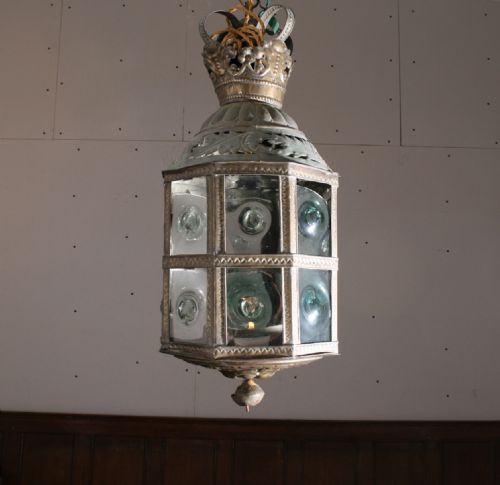
Current listings of historic silver span the 17th, 18th, and 19th centuries, incorporating sterling silver, glass, steel, and brass.
What varies in quality
The calibre of a piece rests upon the crispness of its cast or hammered decoration and the legibility of any maker marks stamped into the silver.
Integrity of form and the retention of original components, such as associated glass or secondary metals, separate ordinary survivals from superior examples.
John Smith·Benjamin Prosser·Thomas Powell
The Historic Silver Glossary
- Sterling silver
- A silver alloy containing 92.5 percent pure silver by weight, traditionally used for quality domestic objects and tableware.
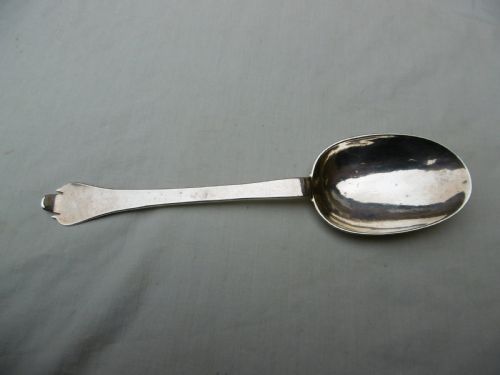
- Trefid tablespoon
- An early form of dining spoon featuring a broad, notched terminal, popular during the late seventeenth century.
- Dognose spoon
- An evolution of the trefid spoon dating to the Queen Anne period, characterised by a rounded terminal with a central ridge.
- Coinage silver
- Silver derived or melted from circulating coins to be utilised in the manufacture of regional vessels and beakers.
Historic Silver: Frequently Asked Questions
How do I clean historic silver?
Cleaning historic silver requires minimal intervention to preserve original patination and avoid wearing down fine details. Gentle washing with warm water and a soft cloth suffices for everyday upkeep.
Harsh chemical dips and abrasive pastes strip the surface layers and destroy centuries of accumulated character. Safe storage away from direct humidity prevents active tarnishing between handlings.
What is a trefid spoon?
A trefid spoon is an early dining implement defined by its flat handle that flares out and terminates in three distinct lobes. This design was widespread during the late seventeenth century.
The distinctive shape stems from continental styles introduced to Britain following the Restoration. Surviving examples often display punched maker marks on the reverse of the stem.
How can I date silver items?
Dating silver relies on a combination of stylistic markers, construction methods, and official hallmarks stamped directly into the metal. Handle shapes and engraving styles shift visibly across reigns.
Comparing known maker marks against historical records narrows the creation period down to specific decades. Changes in silver standards also offer reliable chronological boundaries for English and continental work.
Were these items used daily?
Many objects found in historic silver collections served practical functions in households, from eating utensils to containers for perfumes and beverages. Their sturdy construction equipped them for regular handling.
Over decades of use, pieces accumulated handling wear and light surface marks that document their active history. Today, collectors appreciate both this functional past and the enduring resilience of the metal.