





Historic Oak Furniture
Historic oak furniture brings the heavy grain and dark tones of sixteenth and seventeenth century rooms straight into modern spaces.
Historic Oak Furniture
Historic oak furniture encompasses heavy timbers and dark boards shaped into domestic forms across several centuries of British craftsmanship. When you look for historic oak furniture, you encounter substantial pieces designed to endure daily household use for generations.
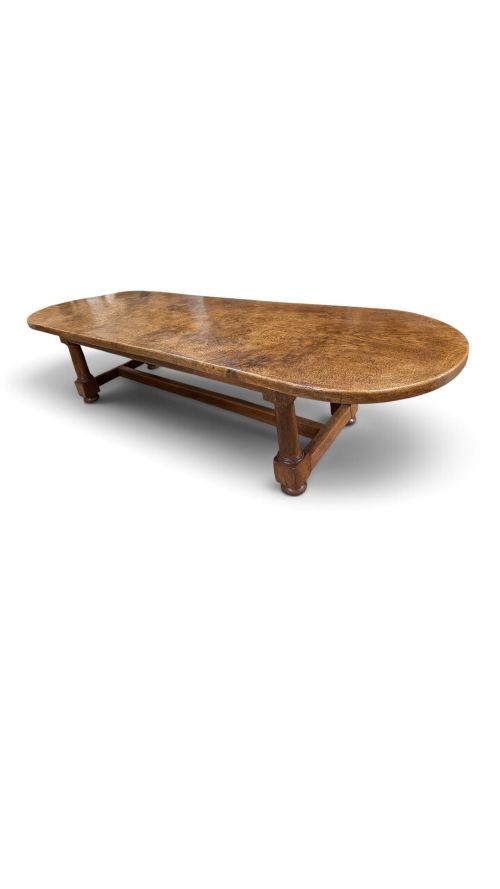
The selections here span sturdy dining tables, court cupboards, coffers, side chairs, armchairs, and four poster beds. These items originate predominantly from the sixteenth, seventeenth, and eighteenth centuries, alongside later Jacobean Revival pieces.
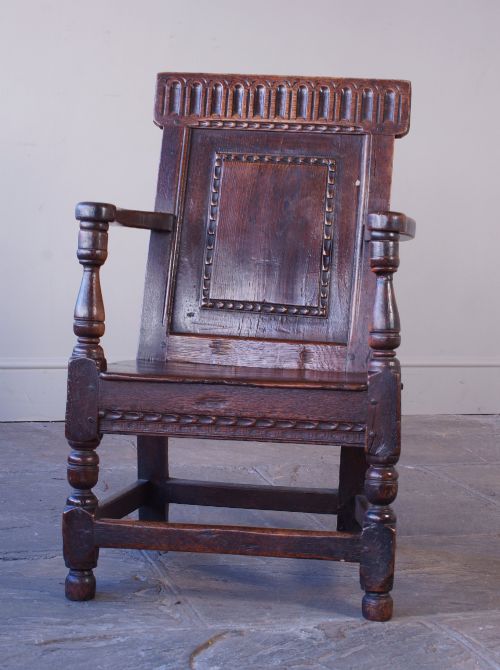
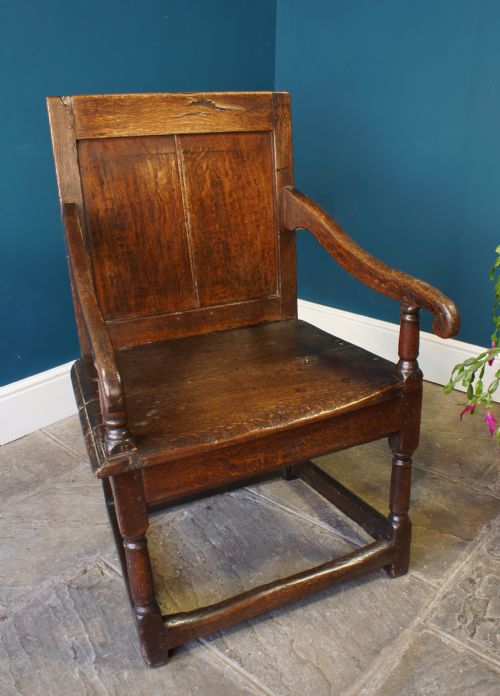
You meet boarded coffers from the Elizabethan era, wainscot chairs from the late seventeenth century, and court cupboards featuring carved panels. Each form reflects the domestic requirements of early homes, from storage chests to formal seating.
How historic oak furniture was made
Carpenters constructed historic oak furniture using solid oak timbers, often combined with secondary woods such as fruitwood for inlay work. Workshops relied on heavy framing, pegged joints, and boarded construction to build structures that resisted warping and sustained heavy loads.
Surface decoration involved hand carving, panel moulding, and turned elements. Craftsmen utilised iron and wrought iron for hinges, brackets, and structural fixings on storage pieces and beds.
Historic Oak Furniture Retail Price Guide 2026
Typical asking prices for historic oak furniture among the pieces listed under this phrase on Sellingantiques today, from the lower quarter to the upper quarter. They describe what is for sale here now, not the wider market.
Object types span practical household forms including dining tables, court cupboards, side chairs, armchairs, coffers, chests, and four poster beds.
What varies in quality
Quality in historic oak furniture lies in the integrity of the original timber and the depth of the hand carving. Pieces retaining their early boarded construction, original ironwork, and untouched surface patination command greater interest from serious collectors.
The crispness of carved details on panels, caryatids, and stiles distinguishes superior workshop production from simpler vernacular items. Alterations to timber, replacement boards, and extensive board shrinkage alter the original standing of a piece.
The Historic Oak Furniture Glossary
- Wainscot chair
- A heavy wooden armchair with a paneled back and solid seat, typical of the seventeenth century. These chairs were status items in early households.
- Court cupboard
- A formal sideboard or storage cabinet featuring recessed upper tiers supported by columns. They were used for displaying plate and storing household valuables.
- Boarded coffer
- A primitive storage chest constructed from thick planks joined with pegged ends. This form predates panel-frame construction.
- Four poster bed
- A large bed featuring four vertical posts supporting an overhead tester canopy. Early examples incorporate heavy oak headboards and fruitwood inlay.
- Caryatid
- A carved human figure serving as an architectural support. In oak furniture, they appear as sculptural columns on cupboards and panels.
Historic Oak Furniture: Frequently Asked Questions
How do I date historic oak furniture?
Dating relies on examining construction methods, tool marks, joinery techniques, and timber characteristics. Pegged joints and boarded construction point to earlier periods, while revival pieces show machine assistance.
Comparing structural proportions and carved motifs against known examples helps narrow down the century of manufacture.
Where should I place an oak court cupboard?
Court cupboards require stable room environments away from direct heat sources and strong sunlight. Their substantial weight means they suit ground floor placement against sturdy load-bearing walls.
Keep them clear of radiators and open fires to prevent timber splitting and excessive drying of the old oak.
How do I clean historic oak furniture?
Dusting with a dry, soft cloth removes everyday surface particles without harming the aged patina. Avoid modern liquid polishes and silicone sprays that build up residue on dry timber.
Applying occasional traditional beeswax feeds the dry grain and preserves the historic surface finish safely.
What is a wainscot chair used for?
Wainscot chairs served as principal seating for heads of households or honoured guests in early domestic settings. Their solid wooden construction offered protection from drafts in uninsulated rooms.
Today they function as sculptural accent pieces in hallways, studies, and living spaces.