



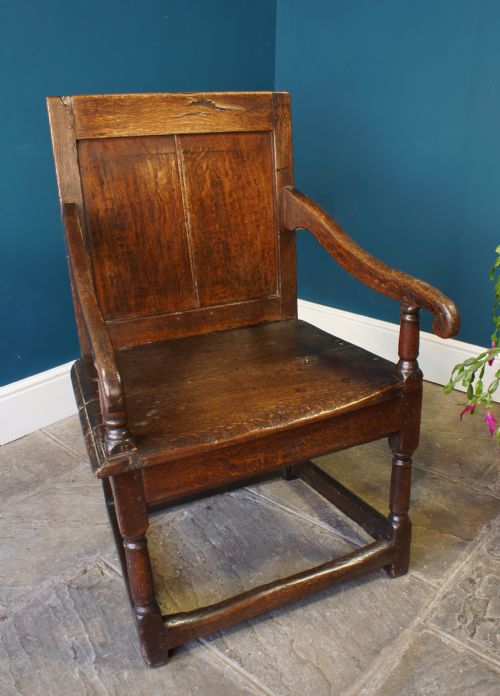

Historic Furniture
Historic furniture encompasses centuries of craftsmanship, offering authentic timber and iron forms that anchor a room with enduring character.
Historic Furniture
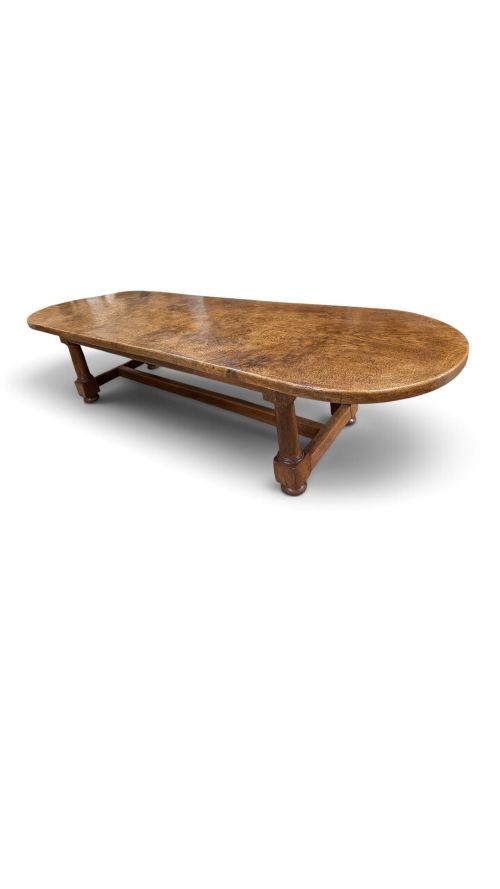
Historic furniture brings centuries of domestic heritage directly into a modern interior through tangible forms like oak cupboards, side chairs, and dining tables. When exploring historic furniture, you will frequently encounter robust seating and storage pieces originating from the sixteenth, seventeenth, and eighteenth centuries.
The selection ranges from sturdy boarded coffers and court cupboards to elegant writing cabinets and four poster beds. Oak and walnut dominate these early forms, displaying the heavy timber construction typical of vernacular and high-style British and European workshops.
How they were made
Makers utilised solid timbers such as oak, walnut, and fruitwood, shaping them with hand tools to build structural integrity without modern adhesives. Joinery relied heavily on pegged mortise and tenon joints, dovetails, and single plank construction.
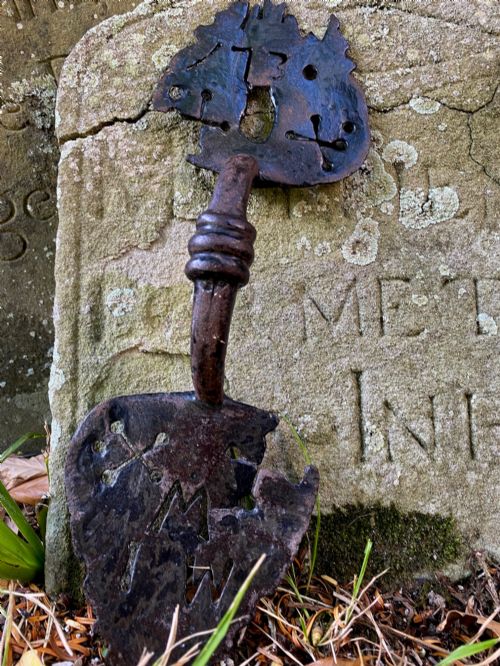
Metalwork played a crucial structural and decorative role, featuring forged iron, wrought iron, and brass fittings alongside textiles and velvet for upholstery. Carved wooden elements, inlay work, and hand-applied finishes completed the surface treatment of these functional objects.
Historic Furniture Retail Price Guide 2026
Typical asking prices for historic furniture among the pieces listed under this phrase on Sellingantiques today, from the lower quarter to the upper quarter. They describe what is for sale here now, not the wider market.
Materials documented across the inventory include oak, walnut, pine, mahogany, iron, brass, and velvet.
What varies in quality
Quality in these pieces rests upon the integrity of the timber, the precision of the hand-cut joinery, and the depth of the original carving. Pieces retaining their primary structural elements and untouched surface patination stand apart from those with extensive timber replacement.
The sophistication of the design, whether a restrained vernacular coffer or an elaborate Spanish baroque cabinet, dictates the level of artisan skill invested in the creation. Finer examples exhibit thoughtful proportions and harmonious integration of secondary woods and decorative hardware.
White Allom and Co·Robert Strahan and Co
The Historic Furniture Glossary
- Bargueño cabinet
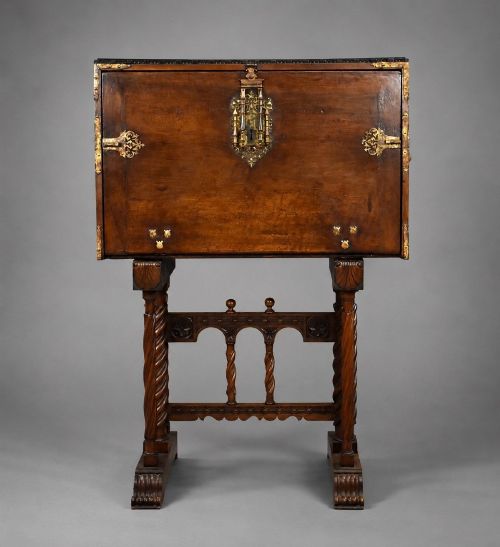
- A portable writing cabinet featuring a drop front that reveals numerous small drawers and compartments. This form originated in Spain during the sixteenth and seventeenth centuries.
- Court cupboard
- A heavy storage cupboard, often constructed in two tiers, used for displaying plate and storing household provisions. These pieces typically feature carved friezes and sturdy turned supports.
- Wainscot chair
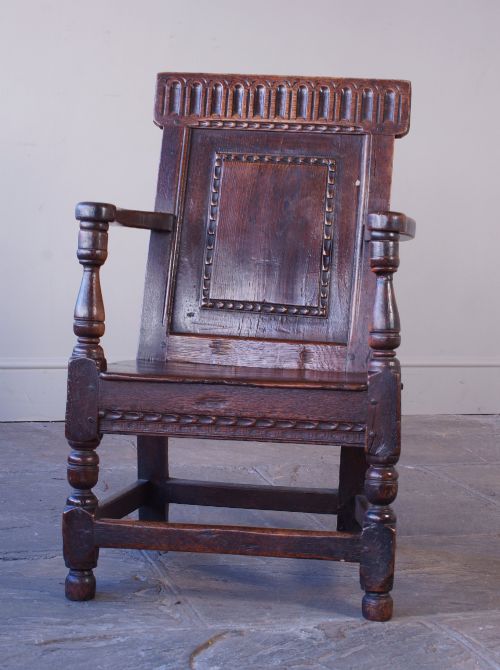
- An early wooden armchair constructed with panelled backboards and solid seat frames. They were principal seats of authority in seventeenth-century households.
- Tester bed
- A bed featuring a wooden canopy or tester supported by posts above the mattress frame. Examples from the sixteenth and seventeenth centuries often incorporate elaborate oak and fruitwood inlay.
- Boarded coffer
- A primitive storage chest made from thick timber planks joined with nails or dovetails before advanced framing techniques became standard. These function as both seating and secure storage.
Historic Furniture: Frequently Asked Questions
How do I identify seventeenth-century oak?
Seventeenth-century oak exhibits distinct medullary rays, often referred to as silver grain, visible across quartersawn surfaces. The timber displays a dense, heavy grain structure resulting from slow-growth trees harvested before modern forestry practices.
Hand-tool marks, such as pit sawing striations and adze facets, remain evident on unexposed interior surfaces. Over centuries, authentic oak develops a warm, dark patination that modern finishing techniques cannot replicate.
Where were court cupboards used?
Court cupboards originated as status symbols in the principal halls and dining chambers of substantial country houses. Wealthy families utilised them to display valuable silver and pewter plate during feasts.
As domestic interiors evolved, these pieces moved into private parlours and chambers for household storage. Their sturdy construction allowed them to endure centuries of daily domestic utility.
How do I care for antique timber?
Antique timber requires stable indoor humidity and temperature to prevent the wood from shrinking, expanding, or splitting. Direct sunlight should be avoided to protect the historic finishes and natural patination from fading.
Regular dusting with a dry, soft cloth preserves the surface without introducing moisture or chemical residues. Traditional beeswax can be applied sparingly to nourish dry oak and walnut surfaces.