



Historic French Painting
Historic french painting gathers centuries of portraiture and landscape from across Europe, offering collectors oil on canvas and wood panel works.
Historic French Painting
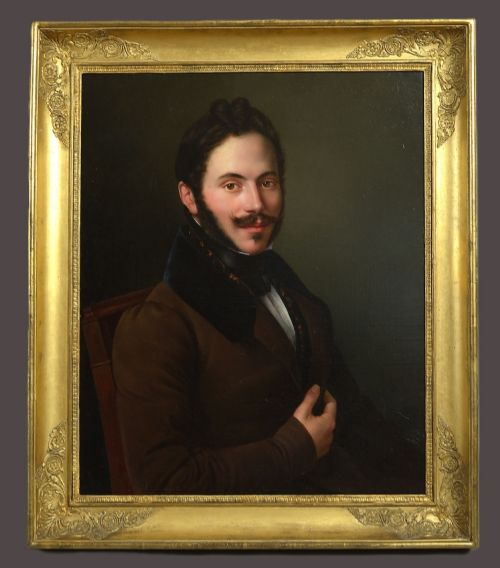
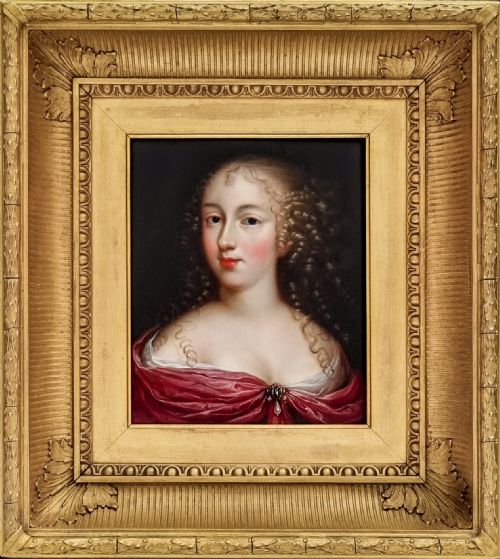
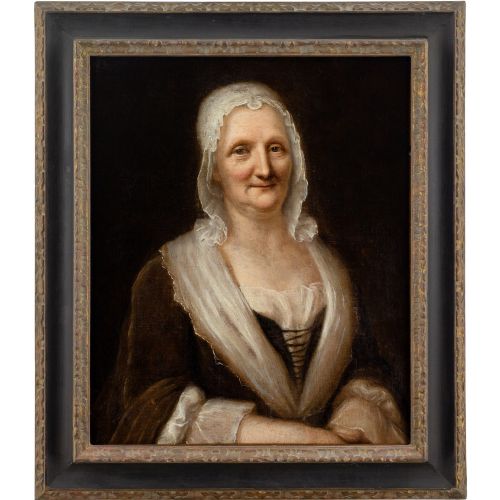
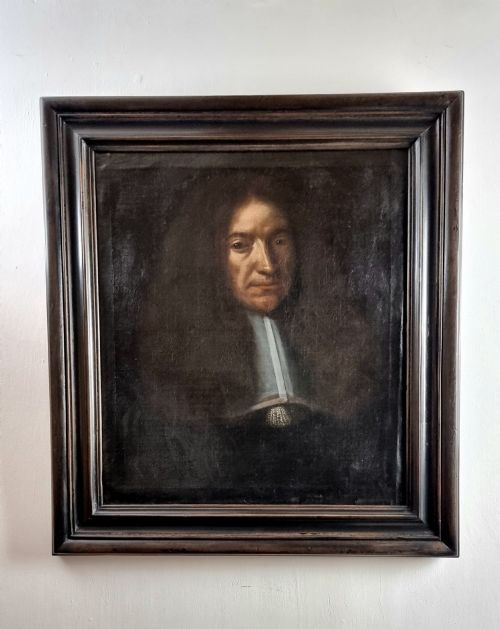
When you search for historic french painting, you encounter centuries of portraiture and decorative works spanning the seventeenth through to the early twentieth century. The selection ranges from seventeenth-century oil on panel portraits attributed to followers of Pierre Mignard and the circle of Henri and Charles Beaubrun to eighteenth-century military figures and elderly ladies.
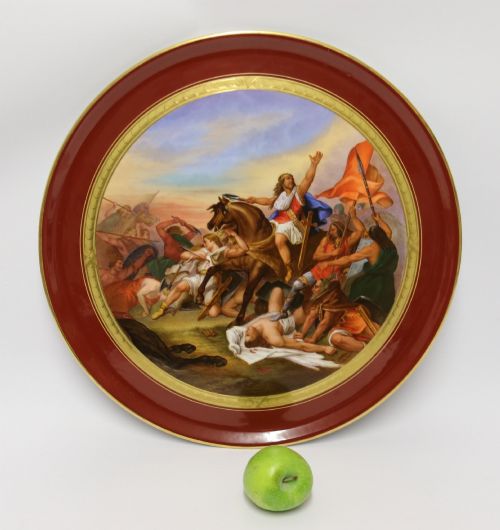
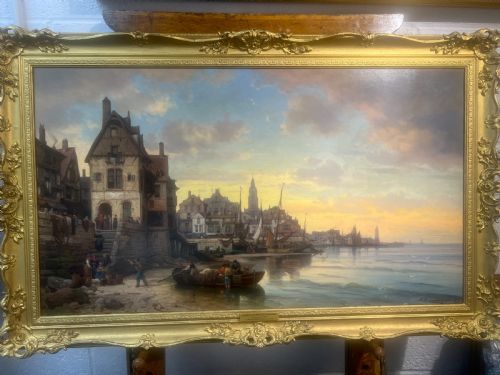
You are most likely to meet nineteenth-century academic oils and portraits by named artists such as Edouard Pingret and Paul Leon Jazet on this page. Alongside canvas works, the selection includes hand-painted Paris porcelain chargers and watercolour views of Paris.
The period styles present encompass French Baroque, nineteenth-century French, and Impressionist influences alongside British watercolours. These objects capture distinct eras of European portraiture and landscape traditions.
Materials and techniques
Artists painted primarily using oil on canvas or oil on wood panel, applying pigment to create layered portraits and scenes. Gilt wood frames and gold leaf provide traditional borders for these works.
Porous ceramics and porcelain serve as supports for hand-painted decorative plates and chargers, fired to preserve detailed narrative imagery. Watercolour on paper captures lighter river views and topographical subjects.
Historic French Painting Retail Price Guide 2026
Typical asking prices for historic french painting among the pieces listed under this phrase on Sellingantiques today, from the lower quarter to the upper quarter. They describe what is for sale here now, not the wider market.
Listings feature oil paint, wood panel, gold leaf, and giltwood frames across various centuries.
What varies in quality
The survival of the original giltwood frame and the stability of the wood panel or canvas influence the integrity of the piece. Depth of colour in the oil paint and preservation of the surface layer determine visual impact.
Pierre Mignard·Edouard Pingret·Henri and Charles Beaubrun·Charles Euphraisie Kuasseg·Paul Leon Jazet·Noel Harry Leaver
The Historic French Painting Glossary
- Oil on panel
- A painting executed on a wooden board rather than stretched fabric. This rigid support was common in earlier periods.
- Giltwood
- Wood carved and covered with a thin layer of gold leaf or gilt. It frames many traditional paintings.
- Charger
- A large decorative plate or platter. Examples in this category feature hand-painted historical scenes.
- Watercolour
- Painting executed with water-soluble pigments on paper. It offers a transparent and fluid medium.
- Circle of
- A term used when a work is not by the master's hand but shows the distinct influence and studio practice of that artist.
Historic French Painting: Frequently Asked Questions
How do I date a historic french painting?
Examination of the costume, hair style, and collar lace often provides a reliable decade for portraits. The stretcher frame, canvas weave, and panel construction offer further clues.
Signatures and inscriptions, where present, help link the work to specific periods or academic schools.
What is the difference between oil on canvas and wood panel?
Wood panel serves as a rigid support primarily found in earlier centuries, offering a smooth surface for fine detail work. Canvas became more common for larger works due to its flexibility and lighter weight.
Panels require stable environmental conditions to prevent warping of the wood over time.
Where were painted porcelain chargers displayed?
Large decorative porcelain plates were typically displayed on walls or sideboards as symbols of status and artistic taste. They combined fine porcelain manufacturing with detailed narrative painting.
Such pieces often commemorated specific historical events or military campaigns.
How should I care for an antique oil painting?
Keep paintings away from direct sunlight, extreme temperature shifts, and high humidity to protect the canvas and oil pigments. Dust the surface gently with a soft, dry brush without applying pressure.
Avoid using liquid cleaners or touching the painted surface directly.