





Historic Carved Furniture
Historic carved furniture brings centuries of solid timber craftsmanship and architectural depth into a room.
Historic Carved Furniture
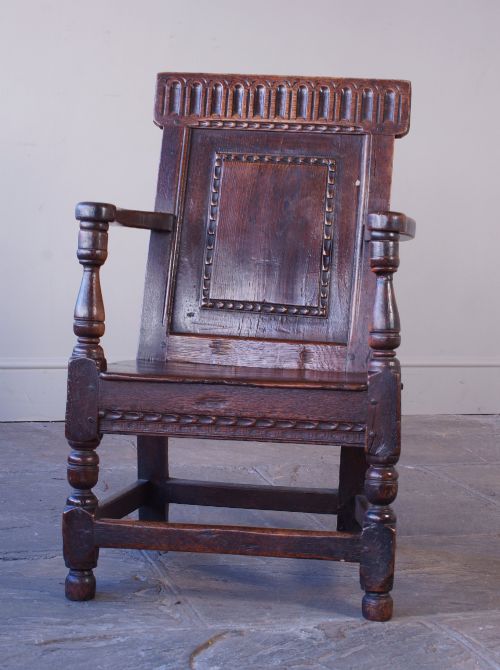
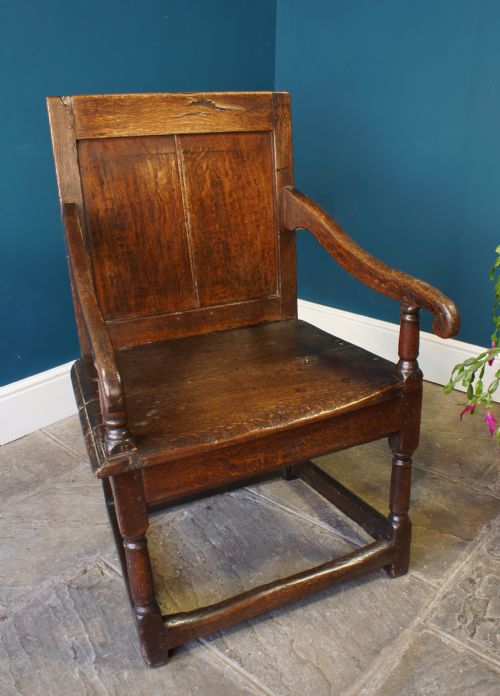
Historic carved furniture encompasses substantial domestic and formal timber pieces spanning from the seventeenth century through to later revival periods. Buyers searching for historic carved furniture encounter robust forms built from solid woods such as oak and walnut, ranging from court cupboards to wainscot chairs.
The primary examples met on this page belong predominantly to the seventeenth century and its subsequent nineteenth century revivals. These pieces display deep chisel work, panelled construction, and structural joinery suited to daily use in both country houses and grand estates.
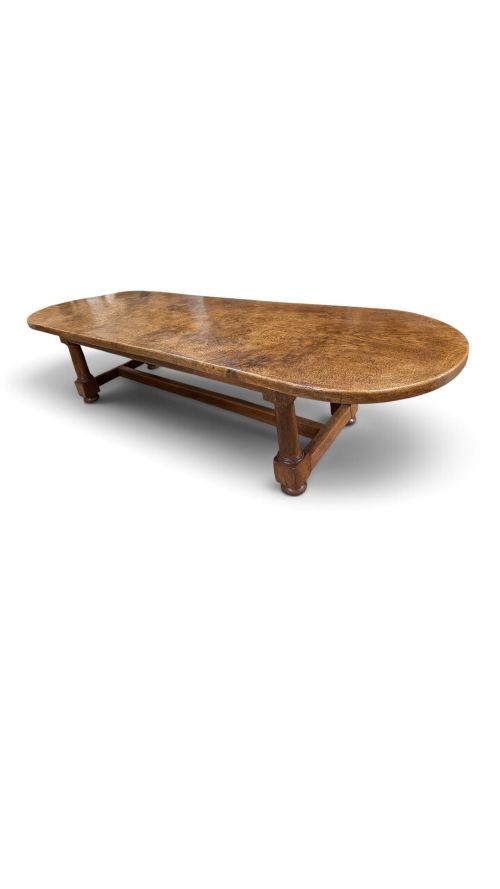
Object types include dining tables, armchairs, coffers, and four-poster beds alongside specialised writing cabinets and console tables. Each form reflects the domestic requirements of its period, prioritising durability and ornamentation in equal measure.
How historic carved furniture was made
Makers utilised heavy timbers, principally oak and walnut, alongside secondary woods like fruitwood for inlay work. Construction relied on traditional pegged mortise and tenon joints to secure the heavy frames without reliance on modern adhesives.
Surface decoration was executed entirely by hand using gouges and chisels to produce geometric patterns, strapwork, and figural caryatids. Iron and brass hardware, from hinges to drop handles, provided functional reinforcement and mechanical operation.
Historic Carved Furniture Retail Price Guide 2026
Typical asking prices for historic carved furniture among the pieces listed under this phrase on Sellingantiques today, from the lower quarter to the upper quarter. They describe what is for sale here now, not the wider market.
Some seventeenth century chairs were built so heavy that servants needed a minor workout just to rearrange the dining room seating.
What varies in quality
Quality rests upon the crispness of the hand-carved detail and the integrity of the original timber framing. Pieces retaining their primary structural surfaces and untouched patination demonstrate superior craftsmanship compared to those heavily restored.
The sophistication of the joinery and the depth of the relief carving distinguish standard regional output from master workshop production. Proportions, timber selection, and the survival of original hardware further separate exceptional examples from simpler utilitarian forms.
White Allom and Co
The Historic Carved Furniture Glossary
- Court cupboard
- A heavy seventeenth century storage piece featuring recessed upper tiers supported by turned columns. These cupboards served to display plate and store household provisions.
- Wainscot chair
- A solid wooden armchair constructed with panelled backs and heavy armrests, prevalent in the seventeenth century. They represent the primary status seating of their era before upholstered furniture became common.
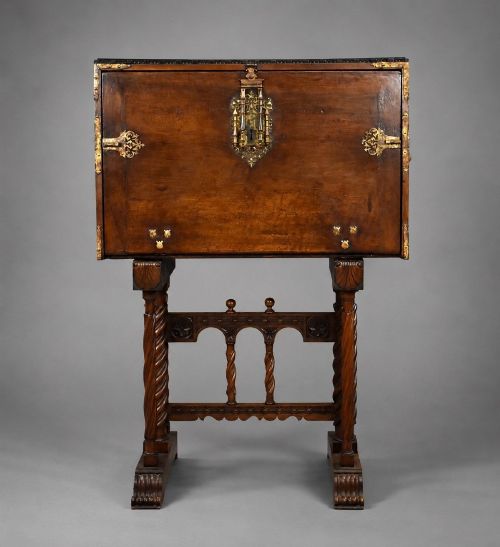
- Bargueño
- A portable writing cabinet featuring a drop-front lid that conceals numerous small drawers and compartments. Spanish examples often exhibit elaborate decorative surfaces and iron mounts.
- Tester bed
- A bedstead featuring a wooden canopy supported by posts above the sleeping platform. Examples frequently incorporate panelled headboards and carved woodwork.
- Caryatid
- A sculpted female figure serving as an architectural support in place of a column or pilaster. They appear carved directly into the structural framework of cabinets and furniture.
- Fruitwood inlay
- The technique of inserting contrasting light-coloured fruitwood into recesses within a darker primary timber. This creates decorative geometric or floral motifs across panels and posts.
Historic Carved Furniture: Frequently Asked Questions
How do I identify seventeenth century oak?
Seventeenth century oak exhibits distinct medullary rays, visible as silver flecks across the grain, resulting from quarter-sawing techniques. The timber displays a dense weight and a deep patination accumulated through centuries of waxing and handling.
Construction methods also aid identification, relying on pegged joints and hand-planed surfaces rather than modern machine production. Tool marks left by adzes and chisels remain visible on unexposed inner surfaces.
Where should I place a court cupboard?
Court cupboards require a stable environment away from direct heat sources and dramatic humidity fluctuations, which can cause ancient timber to split. Placing them against a secure interior wall allows their substantial weight to be properly supported.
Because these pieces feature deep projections and tiered storage, they function best in principal reception rooms, halls, or dining spaces where their architectural proportions can be appreciated.
How do I care for antique carved timber?
Maintenance involves dusting regularly with a dry, soft cloth and occasionally applying a traditional beeswax to nourish the dry wood. Avoid modern silicone-based polishes, which can build up and soften the historic surface patination.
Keeping the piece out of direct sunlight prevents the timber from fading and minimises the risk of warping. Stable indoor temperatures preserve both the wood and the structural integrity of the joints.
How do I distinguish original work from a revival piece?
Revival pieces, such as those from the nineteenth century, often display machine-sawn timber elements and standardised carving techniques that lack the irregularity of hand work. The colour and wear patterns on nineteenth century interpretations tend to be more uniform than those on seventeenth century originals.
Examining the underside and interior reveals the ageing of the wood and the construction methods used by the maker. Peg placement, tool marks, and timber shrinkage patterns provide definitive clues to the actual age of the piece.