



High Carat Gold
High carat gold jewellery brings together rich yellow tones and historic craftsmanship in pieces designed to endure.
High Carat Gold
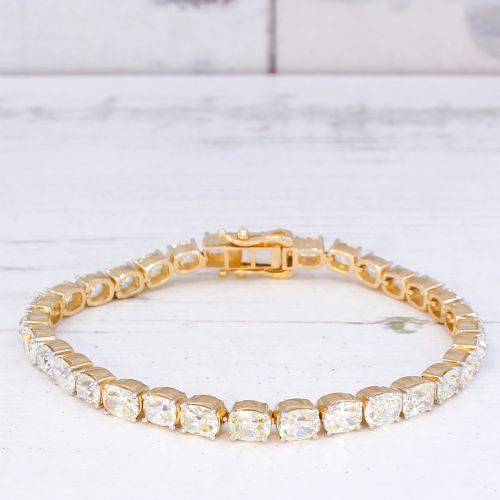
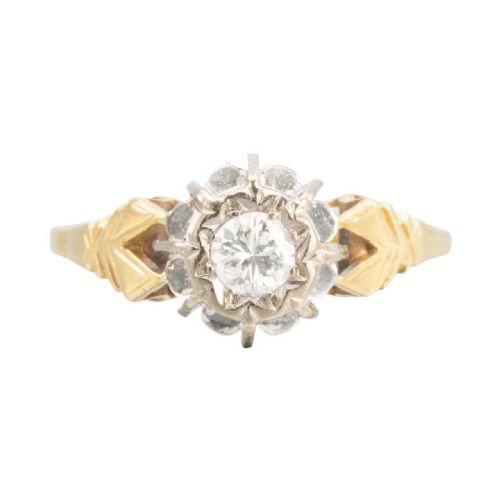
High carat gold pieces encompass rings, lockets, pendants, and bracelets spanning the Victorian, Edwardian, and mid-century periods.
Victorian and Edwardian heart pendants and lockets dominate the selection, often worked in fifteen or eighteen carat yellow and rose gold.
Materials and Construction
These items utilise high purity gold alloys, predominantly fifteen, eighteen, twenty-one, and twenty-two carat, paired with traditional gemstones like old mine cut diamonds and turquoise.
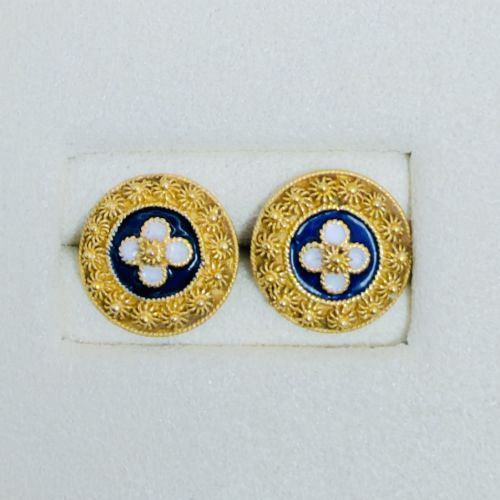
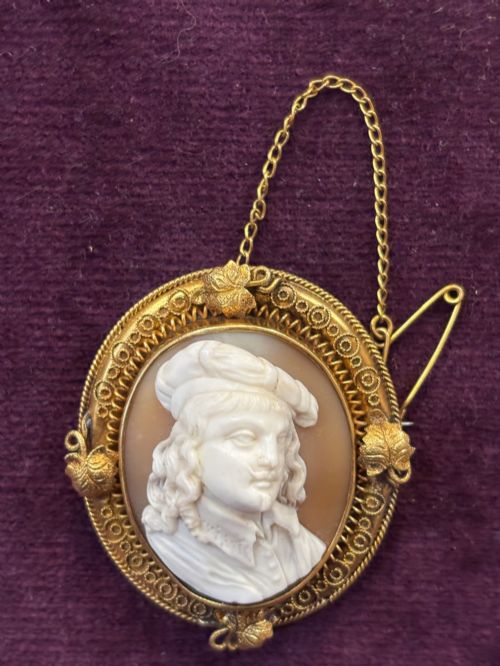
Makers set stones by hand into yellow and rose gold mounts, frequently incorporating enamel work and seed pearls in geometric or floral configurations.
High Carat Gold Retail Price Guide 2026
Typical asking prices for high carat gold among the pieces listed under this phrase on Sellingantiques today, from the lower quarter to the upper quarter. They describe what is for sale here now, not the wider market.
Listings span from eighteen-fifty through the mid-twentieth century, featuring materials including twenty-two carat gold, turquoise, enamel, and old mine cut diamonds.
Markers of Quality
Quality rests upon the crispness of the chased or enamelled detail on the gold surface and the secure setting of stones such as diamonds and seed pearls.
Superior examples maintain their structural integrity in hollow forms like puff pendants while exhibiting clear hallmarks and refined proportions.
The High Carat Gold Glossary
- Carat
- A measure of the purity of gold, where twenty-four carat represents pure metal. Higher carats display a richer yellow colour due to the lower proportion of alloy metals.
- Old Mine Cut
- An early diamond cut characterised by a cushion shape, high crown, and small table. This cut appears frequently in pieces from the Victorian and Edwardian eras.
- Seed Pearl
- Very small natural or cultured pearls used extensively in Victorian jewellery. They are typically thread-strung or pinned in floral and star clusters.
- Locket
- A hinged pendant designed to hold a miniature portrait or keepsake. Victorian examples often feature glass-covered internal compartments.
- Hallmark
- An official stamp applied to precious metals indicating purity, place of origin, and often the year of manufacture. British marks provide precise dating.
High Carat Gold: Frequently Asked Questions
How do I clean high carat gold?
High carat gold is softer than lower purity alloys because gold is inherently a malleable metal. Clean pieces gently using warm water, mild soap, and a soft cloth to avoid scratching the surface.
Avoid harsh chemical dips, particularly on items set with softer stones like turquoise or pearls, which absorb moisture and cleaning agents.
Are these pieces suitable for daily wear?
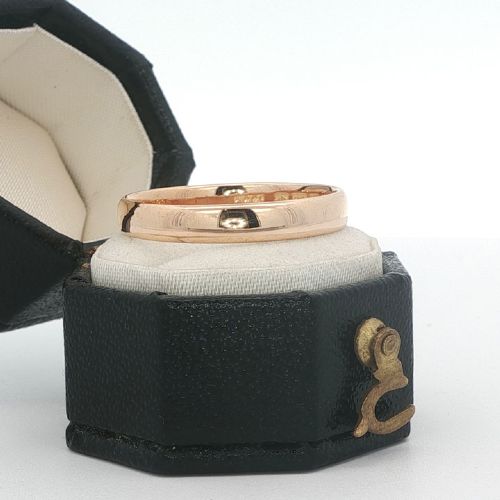
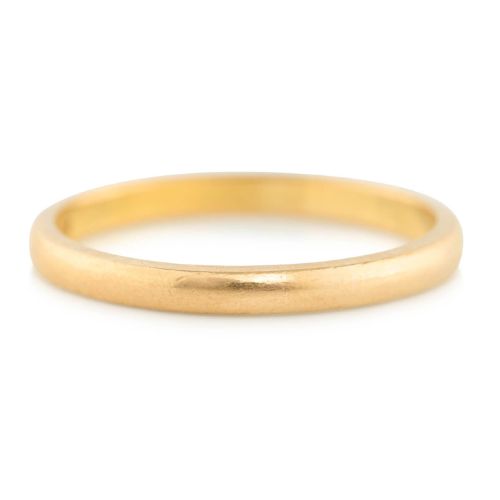
Wedding bands and heavier solid gold items withstand daily wear well because of their robust construction. Lockets and gem-set pendants require more care to protect hinges, glass panels, and delicate seed pearls.
Removing antique jewellery before swimming, gardening, or heavy lifting prevents unnecessary wear on prongs and clasps.
How do I identify the period?
Period identification relies on a combination of stylistic cues, gemstone cuts, and metal hallmarks. Victorian pieces often feature sentimental motifs like hearts and turquoise forget-me-nots, while Edwardian items lean towards lighter filigree and platinum-topped gold.
Matching the construction techniques, such as hand-cut stones or specific clasp types, confirms the era of manufacture alongside any stamped maker marks.
What does high carat mean?
High carat refers to gold alloys with a high proportion of pure gold content, typically starting at fifteen carat up to twenty-two carat. These metals contain less silver and copper alloy.
This higher purity yields a distinct buttery yellow hue that patinates softly over decades of handling and wear.