



Hexagonal Wooden Table
A hexagonal wooden table offers six-sided utility in oak, mahogany, walnut, or exotic hardwoods, bringing distinct geometric charm to any interior.
Hexagonal Wooden Table
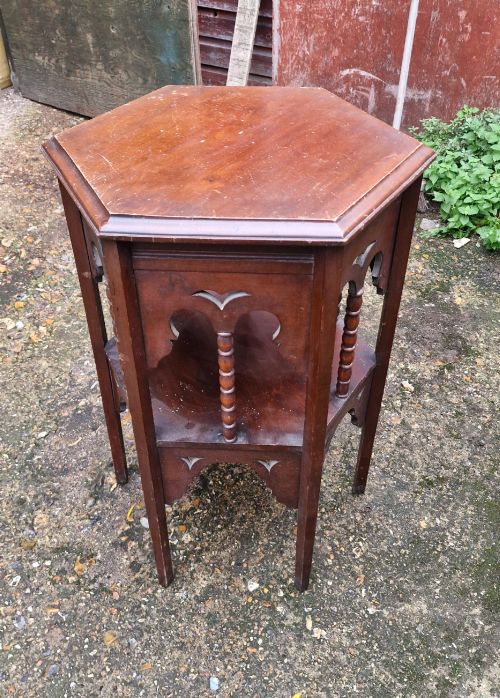
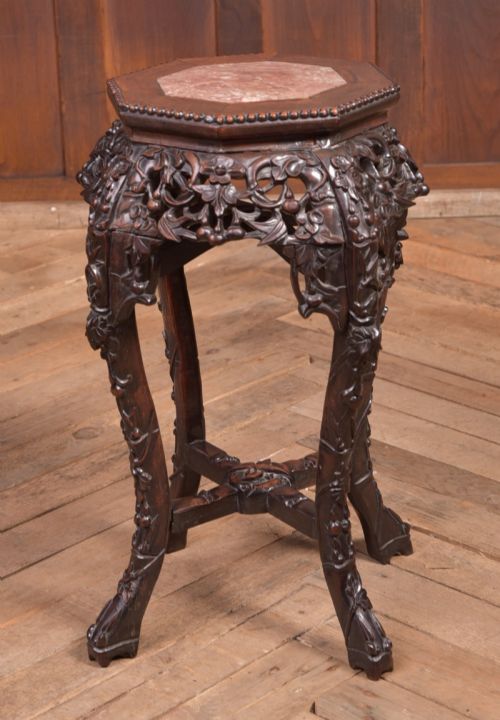
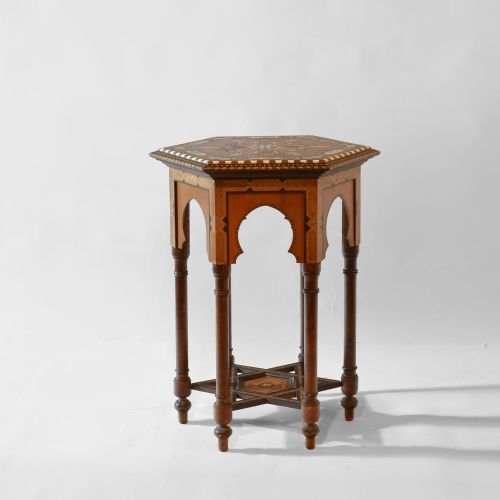
A hexagonal wooden table appears in forms ranging from compact occasional side tables and plant stands to elaborate Moorish and Anglo-Indian inlays. These pieces span the nineteenth century through the Edwardian period, nineteen-hundreds, nineteen-twenties, and nineteen-thirties.
Buyers frequently encounter six-sided occasional tables with turned legs in oak or walnut alongside intricately decorated Syrian and Damascus tables featuring bone and mother-of-pearl. The selection includes pedestals, coffee tables, and wine cooler tables derived from diverse global traditions.
Moorish Revival, Arts and Crafts, Gothic Revival, and William IV styles dominate the aesthetic range of these six-sided items. Craftsmen utilised dense timbers like mahogany, rosewood, and teak to construct sturdy stands and cabinets.
Materials and construction methods
Makers constructed these tables using solid hardwoods such as oak, mahogany, walnut, rosewood, and teak, often combining them with geometric supports or turned legs. The structural integrity relies on traditional joinery suitable for six-sided frames.
Intricate surface decoration distinguishes specific regional items, particularly Moorish and Anglo-Indian examples incorporating inlaid bone and mother-of-pearl. Carved wooden panels and geometric lattice work demonstrate the high level of hand skill involved in execution.
Hexagonal Wooden Table Retail Price Guide 2026
Typical asking prices for hexagonal wooden table among the pieces listed under this phrase on Sellingantiques today, from the lower quarter to the upper quarter. They describe what is for sale here now, not the wider market.
Peacocks and teardrops occasionally wander into the titles, proving antique cataloguers possessed a lively imagination long before the internet.
Distinguishing quality across examples
Quality rests upon the crispness of the carving, the stability of the six-sided joint work, and the precision of any inlay work. Dense hardwoods like rosewood and mahogany generally indicate higher grade production than softer utility timbers.
The completeness and complexity of decorative elements, such as intricate mother-of-pearl and bone patterns on Damascus or Syrian pieces, elevate an item's standing. Proportion and balance in turned legs and tier supports further separate standard regional pieces from finer workshop productions.
The Hexagonal Wooden Table Glossary
- Occasional table
- A small, movable table designed for intermittent use in a living space or parlour. These versatile pieces often feature six-sided tops and turned wooden legs.
- Moorish Revival
- An architectural and decorative style popular in the nineteenth century that draws on Islamic design motifs. Items in this taste frequently display intricate geometric inlay.
- Torchere
- A tall, slender stand originally intended to support a candle or lamp. These vertical forms double as elevated plant stands within domestic interiors.
- Mother-of-pearl
- The iridescent inner layer of certain mollusc shells used extensively for decorative inlay. Craftsmen cut this material into delicate geometric shapes for Syrian and Damascus tables.
- Pedestal cabinet
- An enclosed piece of furniture supported by a central column or structured base. Several examples feature hexagonal footprints with internal cupboard storage.
Hexagonal Wooden Table: Frequently Asked Questions
What is a hexagonal wooden table used for?
These tables function as side tables, coffee tables, or plant stands in various rooms. Their six-sided shape allows them to fit neatly into corners or sit beside seating.
More elaborate examples serve primarily as decorative accent pieces displaying intricate woodwork or mother-of-pearl inlay.
How do I identify a Moorish style table?
Moorish style tables typically feature complex geometric woodwork and contrasting inlay materials like bone and mother-of-pearl. The design draws on traditional Islamic architecture and pattern work.
Construction often involves dense hardwoods combined with detailed hand-carved panels across the six-sided frame.
Are these tables sturdy enough for daily use?
Solid hardwood construction in oak, mahogany, walnut, or teak provides substantial durability for everyday placement. Turned legs and stable multi-tiered frames support normal household items.
Heavily inlaid decorative surfaces require gentle care to protect delicate bone and shell elements from moisture or impact.
How do I date an antique wooden table?
Dating relies on stylistic clues, timber choice, and construction techniques associated with periods like the nineteenth century, Edwardian era, or Arts and Crafts movement. Specific design markers indicate the era of manufacture.
Maker signatures or distinct regional craftsmanship styles further help establish the approximate production decade.