






Heritage Wall Art
Heritage wall art brings historical portraiture and landscapes into domestic spaces, offering a direct connection to past centuries through paintings, prints, and engravings.
Heritage Wall Art
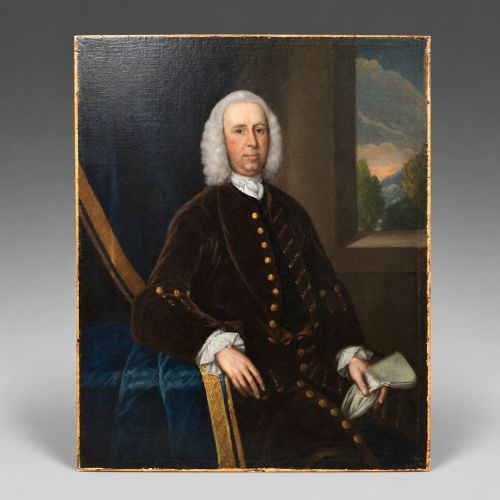
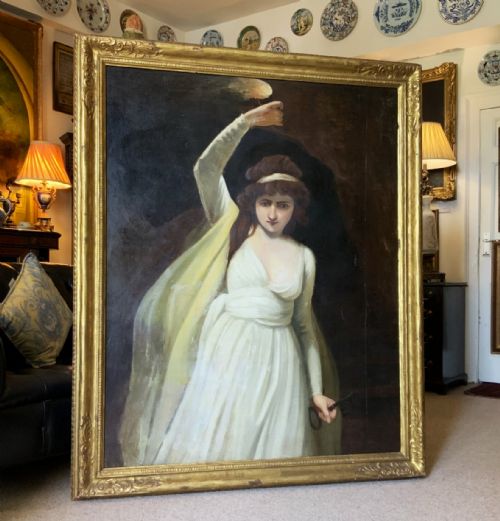
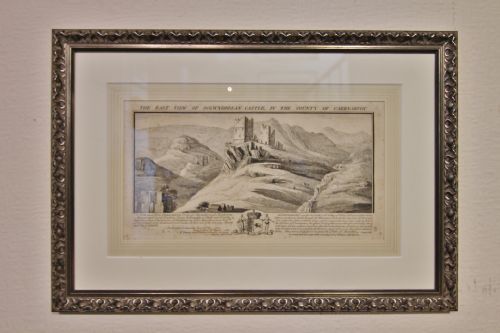
Heritage wall art encompasses historical paintings, watercolours, prints, and engravings that span from the seventeenth century to the mid-twentieth century. Buyers exploring heritage wall art encounter portraits of gentlemen and nobility, landscapes, and architectural scenes produced by British and European makers.
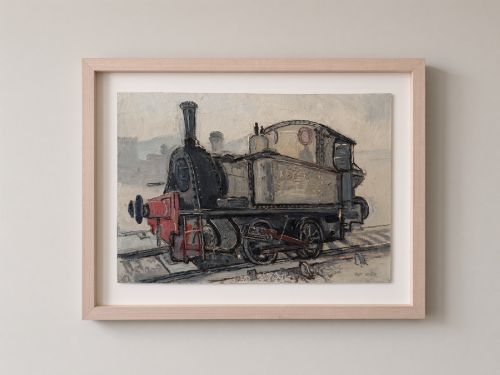
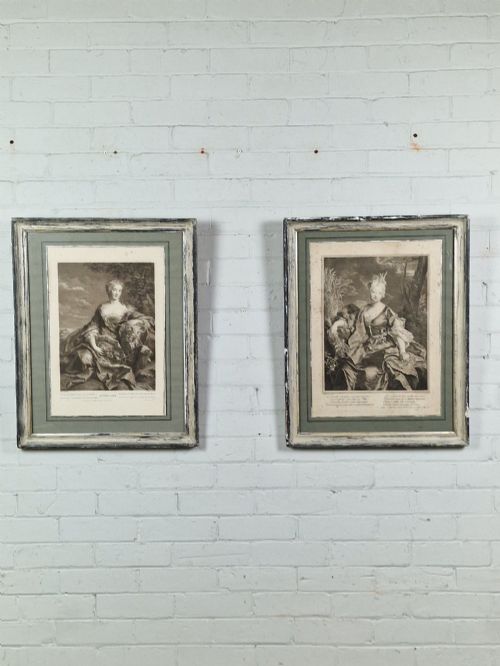
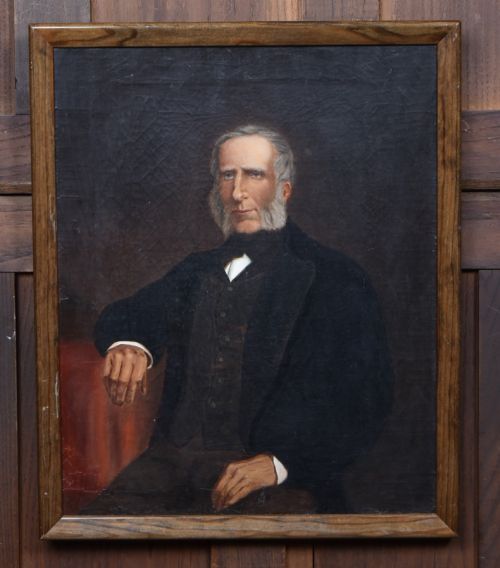
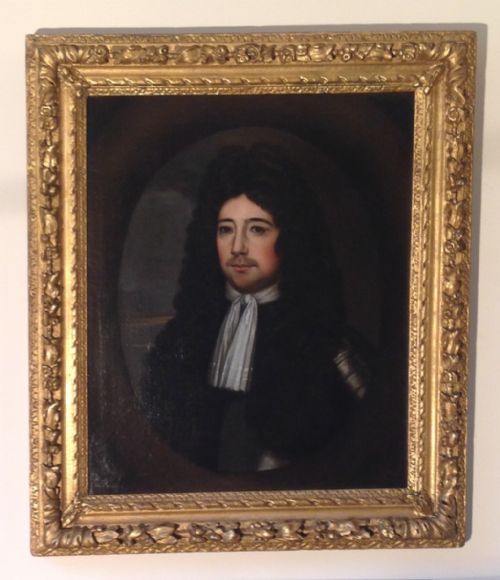
The selections on this page lean heavily towards oil paintings on canvas or board, alongside eighteenth-century French engravings and nineteenth-century watercolours. Portraits dominate the selection, ranging from seventeenth-century subjects to mid-century depictions of notable figures in uniform.
Works attributed to named artists such as John Opie and Frank Moss Bennett sit alongside pieces created by the English School and traditional artists. These objects preserve historical likenesses and scenes, utilising formats that suit period and traditional interiors.
How they were made
Makers applied oil paint to canvas or wood board, building rich compositions through layered pigment and varnish. Watercolours were painted on paper, capturing delicate detail in townscapes and domestic scenes.
Engravings and lithographs utilised pressed paper surfaces, transferring inked designs from metal plates or stone blocks. Frames were frequently constructed from wood, incorporating giltwood and gilt details to house the artworks.
Heritage Wall Art Retail Price Guide 2026
Typical asking prices for heritage wall art among the pieces listed under this phrase on Sellingantiques today, from the lower quarter to the upper quarter. They describe what is for sale here now, not the wider market.
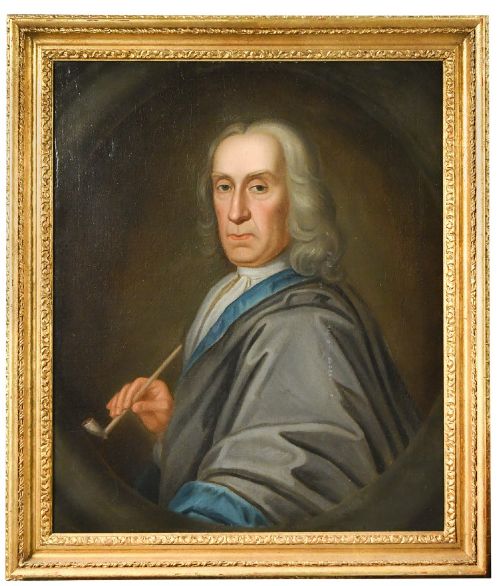
Several gentlemen in the collection hold pipes or wear full admiral uniforms, ready to stare down modern room layouts with stern nineteenth-century dignity.
What varies in quality
The calibre of a piece rests upon the skill of the brushwork, the accuracy of proportion in portraiture, and the depth achieved within the composition. Works by established royal academicians demonstrate superior handling of light and subject compared to anonymous school pieces.
Material preservation dictates the standard of surviving artworks, where stable canvas surfaces, minimal pigment flaking, and original framing elevate the piece. The clarity of line in engravings and the retention of tone in watercolours separate standard prints from finer examples.
Fred Yates·John Opie RA·Carl Adolf Mende·Frank Moss Bennett·John Laviers Wheatley·T Fairfax·George Harcourt Sephton
The Heritage Wall Art Glossary
- Engraving
- A printmaking technique where an artist cuts an image into a metal plate using a sharp tool. The resulting lines hold ink to be transferred onto paper under pressure.
- Lithography
- A planographic printing process based on the repulsion of oil and water, utilising a flat stone or metal plate. Artists draw the image with a greasy medium before printing.
- Giltwood
- Wood that has been treated with a thin layer of gold leaf or gilt powder. This material is common in traditional picture frames.
- Oil on board
- A painting created by applying oil colours directly onto a rigid wooden or composition panel rather than stretched canvas.
Heritage Wall Art: Frequently Asked Questions
What periods do these artworks cover?
The available pieces span from the seventeenth century through the Georgian and Victorian eras up to the mid-twentieth century. Later works extend beyond nineteen sixty.
This broad timeline incorporates diverse artistic styles such as French Rococo, Biedermeier, and Elizabethan Revival.
How should I hang heavy oil paintings?
Large oil paintings require secure fixings into wall studs or solid masonry using appropriate weight-rated picture hooks. Canvas paintings benefit from stable indoor environments away from direct heat sources.
Maintaining consistent room temperature prevents expansion and contraction of the wooden stretchers and canvas.
Are watercolours sensitive to light?
Watercolours on paper are susceptible to fading when exposed to direct sunlight over extended periods. Framing them behind glass with UV-filtering properties helps protect the pigments.
Placing these works on walls away from bright windows preserves their original tones.
How do I identify a nineteenth-century portrait?
Nineteenth-century portraits often feature specific clothing styles, hairstyles, and framing techniques characteristic of the Victorian period. Examining the stretcher bars, canvas type, and any inscriptions on the reverse provides further dating evidence.
Signatures or attribution labels attached to the frame or board assist in identifying the artist.