




Heritage Painting
Heritage painting brings together centuries of British portraiture, landscape and vernacular works rendered in oil on canvas, watercolour and board.
Heritage Painting
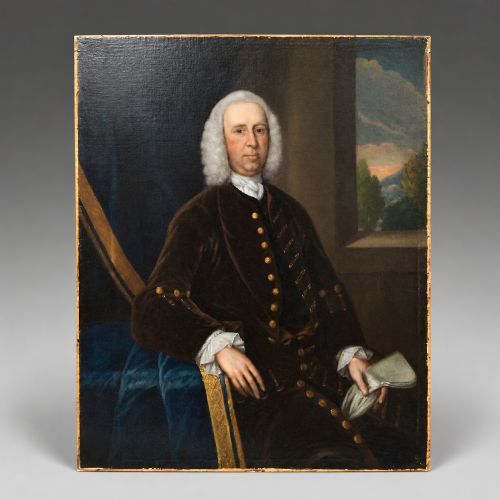
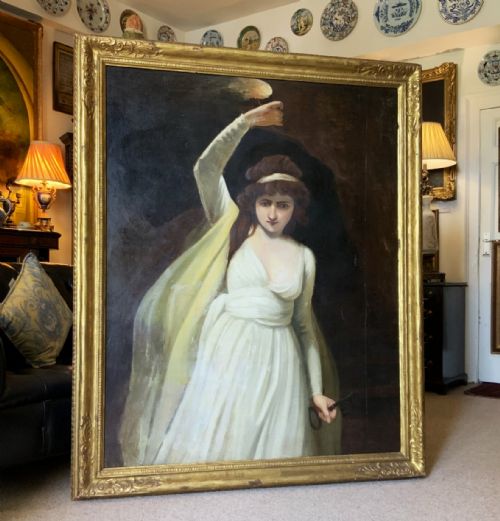
Heritage painting covers traditional works spanning the Georgian, Regency and Victorian eras alongside mid-twentieth-century townscapes and portraits. Buyers exploring heritage painting encounter oil on canvas works, watercolours on paper and board pieces originating from British and European schools.
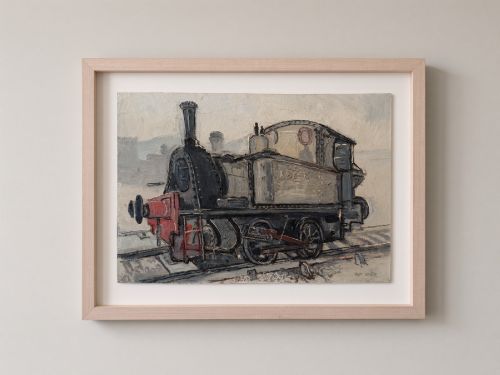
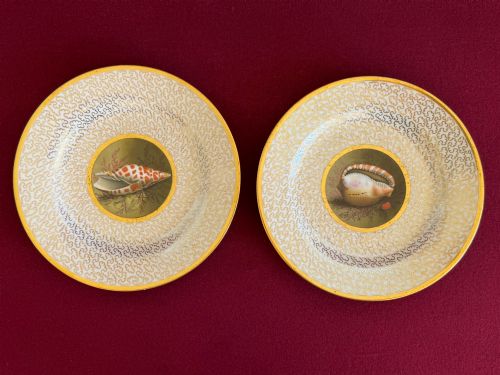
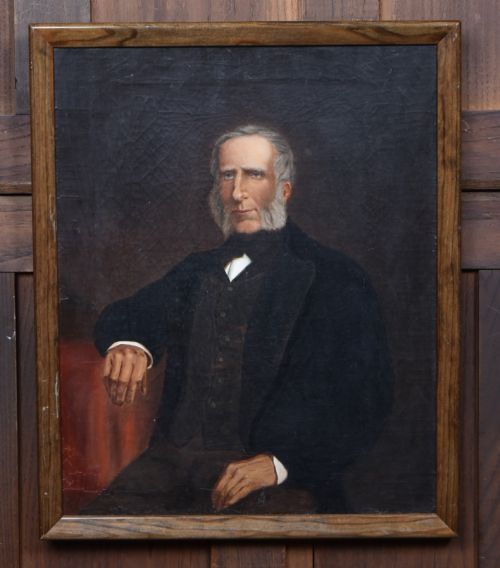
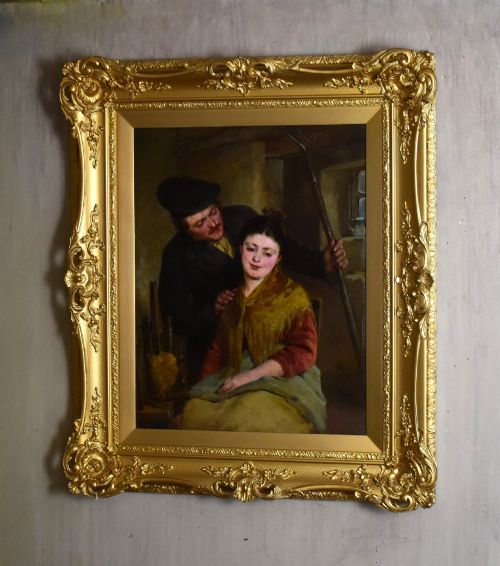
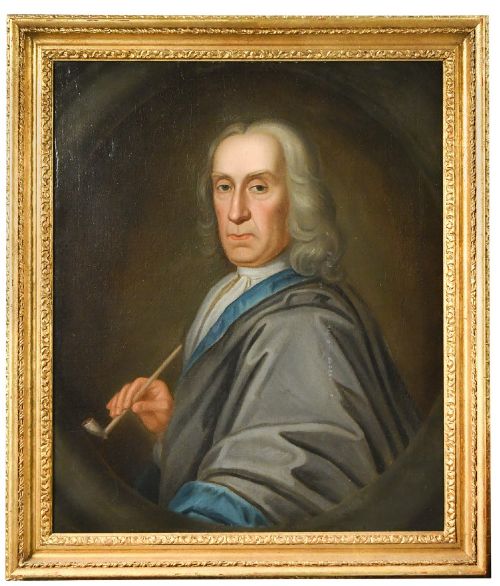
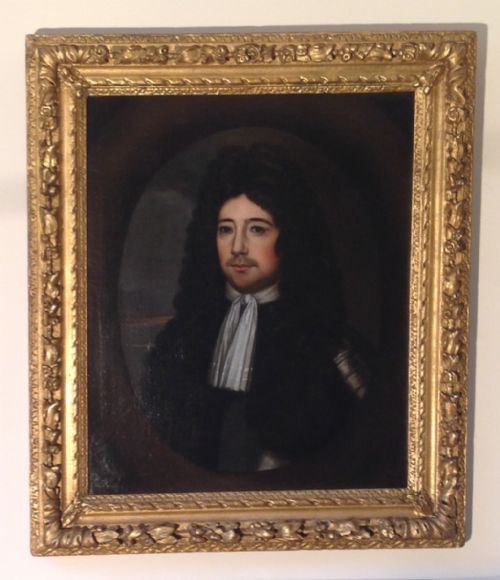
The selection ranges from anonymous eighteenth-century portraits of gentlemen to signed watercolours and architectural views like Kew Gardens. Genre scenes, railway subjects and naval portraits sit alongside porcelain plates and decorative metalwork that share the aesthetic realm of these works.
Nineteenth-century realism and British naive art dominate the visual record, capturing historical figures, local clergy and everyday scenes with distinct regional character. Each piece preserves a fragment of social history through traditional fine art media.
Materials and construction
Painters relied upon oil paint applied to canvas, wood panels or board, frequently finished with protective varnish layers. Watercolour on paper forms another major group, capturing finer linear details with translucent pigments.
Frames incorporate moulded gesso and gold leaf to house and protect the canvas surfaces. Supporting elements utilise traditional timber stretchers and backing boards suited to the period.
Heritage Painting Retail Price Guide 2026
Typical asking prices for heritage painting among the pieces listed under this phrase on Sellingantiques today, from the lower quarter to the upper quarter. They describe what is for sale here now, not the wider market.
Listings feature works spanning the seventeenth century through to the mid-twentieth century, employing oil paint, watercolour, gold leaf and gesso.
Distinguishing quality
Quality rests in the precision of brushwork, anatomical proportion and the handling of light within the composition. Masterful portraits capture individual expression and textural depth in clothing and skin tones.
Original frames bearing period gesso and gilding enhance the integrity of a canvas. Documentation of the sitter, artist or specific location elevates historical significance.
John Opie RA·Howard Helmick·Frank Moss Bennett·Fred Yates·John Laviers Wheatley
The Heritage Painting Glossary
- Oil on Canvas
- Pigment mixed with drying oil applied to a woven fabric support stretched over a wooden frame. This method allows for rich colour blending and textured impasto application.
- Watercolour
- A painting method where fine pigment is suspended in a water-soluble binder, traditionally applied to absorbent paper. It yields luminous washes and delicate transparent effects.
- Gesso
- A plaster mix applied to wood panels or picture frames to prepare a smooth surface for gilding or painting. It provides a crisp foundation for decorative moulding.
- British Naive Art
- Painting produced by artists lacking formal academic training, prioritising direct observation and charm over strict perspective. These works offer candid insights into past rural and urban life.
- Provenance
- The documented history of ownership of a work of art, establishing its authenticity and lineage. Clear records connect a portrait to specific collections or family estates.
Heritage Painting: Frequently Asked Questions
How do I date a heritage painting?
Dating relies on costume analysis, stretcher construction and artist signatures recorded in the inventory. Stylistic cues such as Georgian wig styles or Victorian dress details provide reliable benchmarks.
Secondary evidence like framer labels or inscriptions on the reverse help narrow the decade of creation.
Where should I hang an oil portrait?
Portraits require stable interior walls away from direct sunlight and damp conditions to protect canvas and pigment. Traditional rooms with subdued lighting complement the sombre tones of older works.
Ensure secure fixings matched to the weight of the heavy wooden frames often found on these pieces.
Are watercolours harder to maintain than oils?
Watercolours require careful framing behind glass with acid-free mounts to prevent paper degradation from humidity. They are more sensitive to light exposure than oil paintings on canvas.
Keeping them out of direct sunlight preserves the fugitive pigments used by nineteenth-century artists.
What defines British naive art?
British naive art is characterised by a flat perspective and an honest, unvarnished approach to subject matter. These paintings bypass classical academic rules in favour of expressive storytelling.
They capture domestic scenes and local characters with immediate visual appeal and regional charm.