



Herbert Dicksee Signed Etching
A Herbert Dicksee signed etching brings grand, dramatic animal subjects into your home through meticulous line work on paper or vellum.
Herbert Dicksee Signed Etching
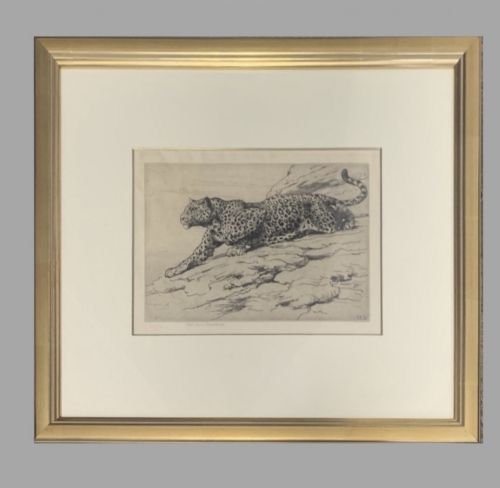
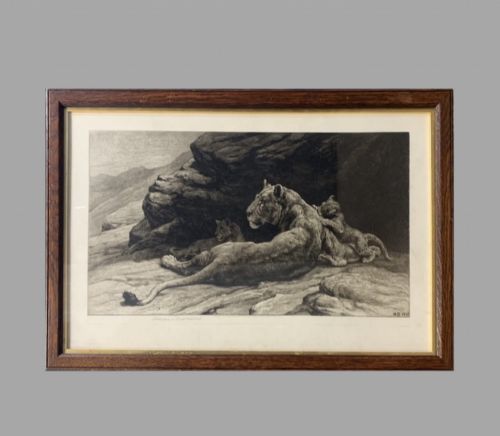
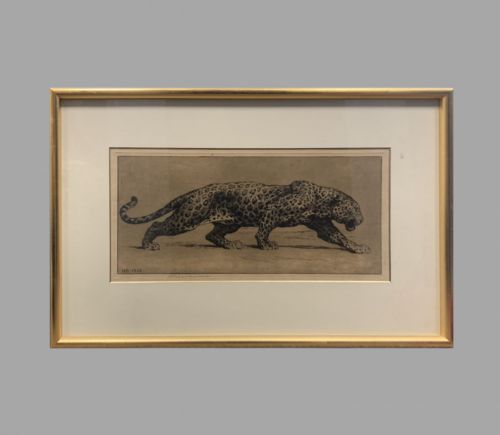
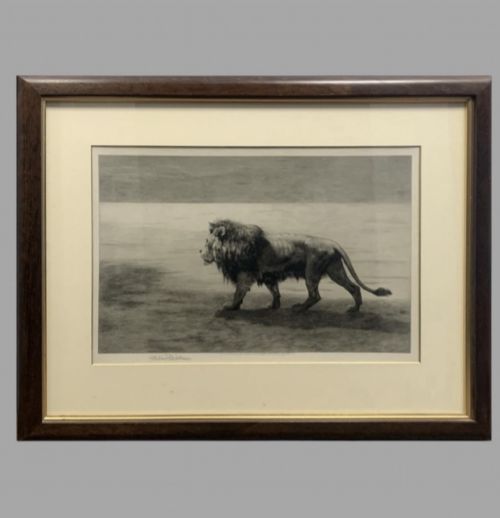
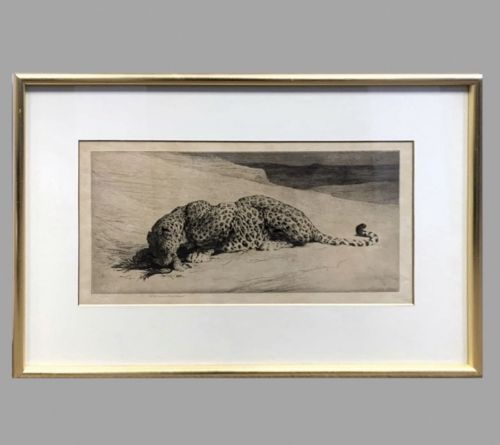
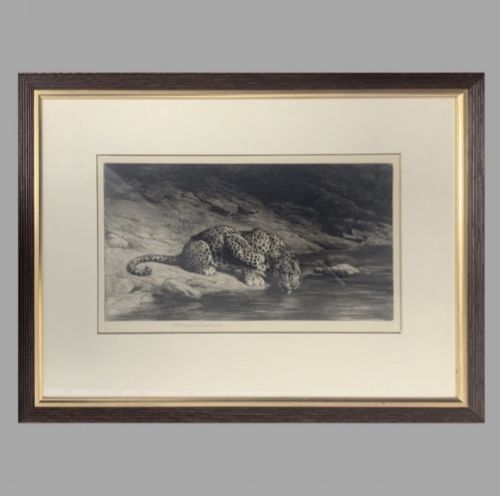
A herbert dicksee signed etching is a fine print capturing detailed animal scenes, particularly large cats like leopards. These works often appear as signed artist proofs in limited editions.
Pieces on this page stem from periods spanning the Victorian era through the 1920s. Buyers frequently encounter framed prints categorized under early twentieth century realism and Edwardian styles.
How they were made
Artists create these pieces using ink applied to paper or vellum as the primary medium. Finished works are often housed behind glass within wood, oak, or gilt wood frames.
Selected prints incorporate gold leaf detailing to accent the framed artwork. The physical construction combines traditional printmaking techniques with period framing materials.
Herbert Dicksee Signed Etching Retail Price Guide 2026
Typical asking prices for herbert dicksee signed etching among the pieces listed under this phrase on Sellingantiques today, from the lower quarter to the upper quarter. They describe what is for sale here now, not the wider market.
Listings feature works created across four distinct decades, spanning from the Victorian era through the 1920s.
What varies in quality
Quality differences emerge in the choice of print support, distinguishing standard paper impressions from impressions pulled on vellum. The presence of a signature and artist proof status distinguishes commercial editions from premier impressions.
The sophistication of the framing materials, ranging from simple wood to gilt wood with gold leaf, shifts the overall presentation. Preservation of the ink and the supporting medium dictates the visual impact of each subject.
Herbert Dicksee
The Herbert Dicksee Signed Etching Glossary
- Etching
- A printmaking method where acid bites lines into a metal plate to hold ink. This technique allows for fine tonal gradations and deep detail.
- Artist proof
- An impression taken during the printmaking process for the artist to check the state of the plate. These are typically marked separately from the main edition.
- Vellum
- A fine parchment prepared from calfskin used as a printing surface. It offers a smooth, durable texture that absorbs ink differently than paper.
- Signed
- Bearing the handwritten signature of the artist, usually in pencil beneath the image. This mark authenticates the impression.
- Limited edition
- A set number of impressions produced from a single plate before it is destroyed or cancelled. This practice controls the scarcity of the prints.
Herbert Dicksee Signed Etching: Frequently Asked Questions
What is a herbert dicksee signed etching?
A herbert dicksee signed etching is an original print featuring detailed animal subjects created during the late Victorian and early twentieth century periods. These works include signed artist proofs on paper and vellum.
Subjects frequently depict wildlife and large cats in dramatic settings. Each piece reflects the realism styles popular during the Edwardian era.
How should I frame these prints?
These etchings are typically displayed behind glass within traditional wood, oak, or gilt wood frames. Proper framing protects the paper or vellum support from environmental damage.
Using conservation-grade materials ensures the ink and any gold leaf elements remain stable over time. This presentation maintains the historical character of the artwork.
How do I identify the period?
Dating relies on the style of the work, framing materials, and recorded production dates spanning from the 1890s through the 1920s. Victorian pieces often contrast with later Edwardian examples.
Examining the paper or vellum and the nature of the signature helps place the print within its correct decade. Stylistic shifts between realism and early twentieth century approaches offer further clues.
What subjects appear in these works?
The imagery focuses heavily on animals, particularly leopards and jungle fowl in open landscapes. Titles like Leopard on Hillside and Disturbed illustrate this naturalist focus.
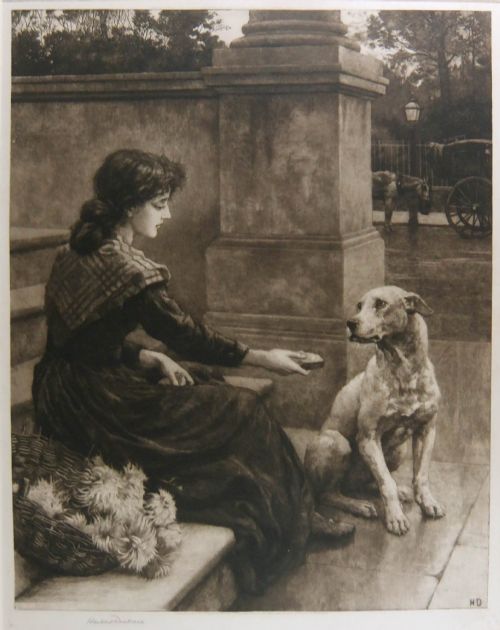
Other compositions explore narrative themes such as The Prodigal and A Fellow Feeling. These dramatic scenes define the visual output of the period.