


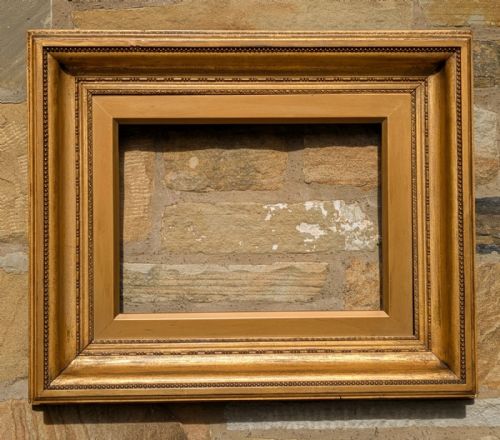


Heavy Wood Frame
A heavy wood frame provides structural gravity and presence, anchoring large mirrors, paintings, and photographs with substantial substance.
Heavy Wood Frame
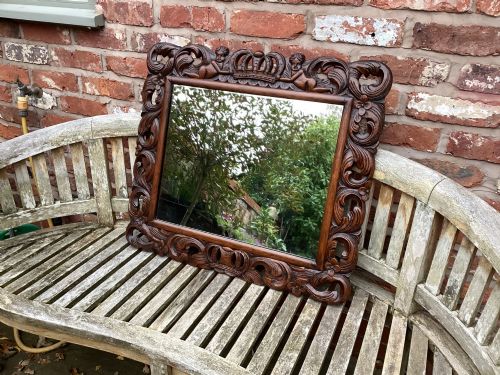
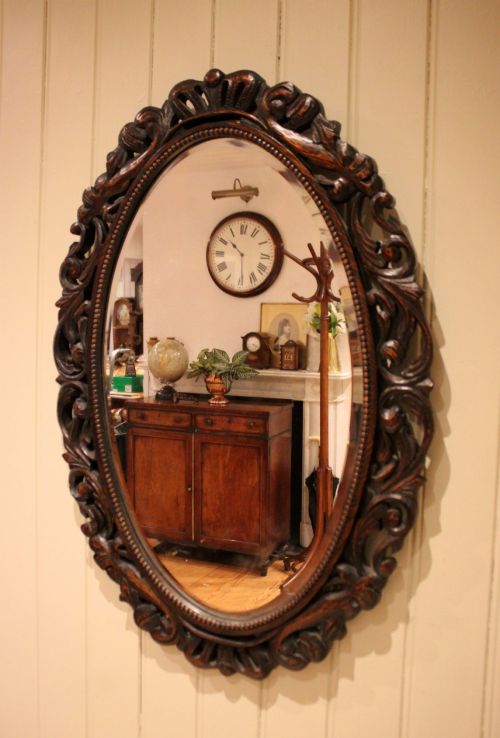
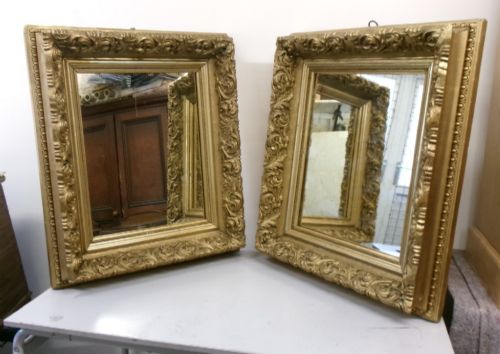
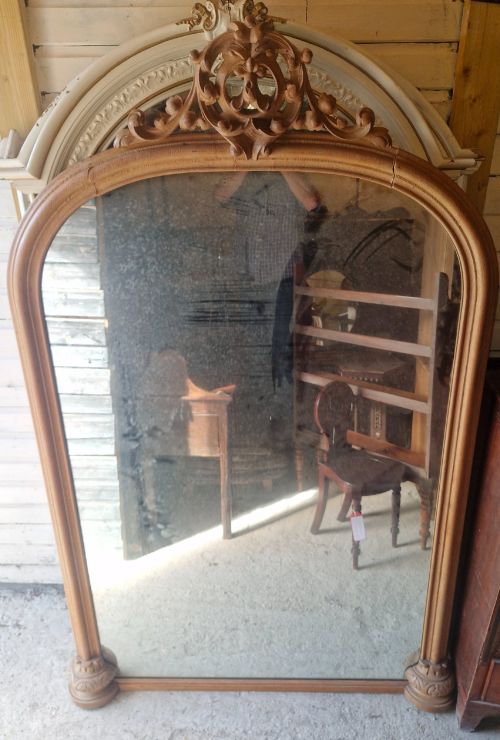
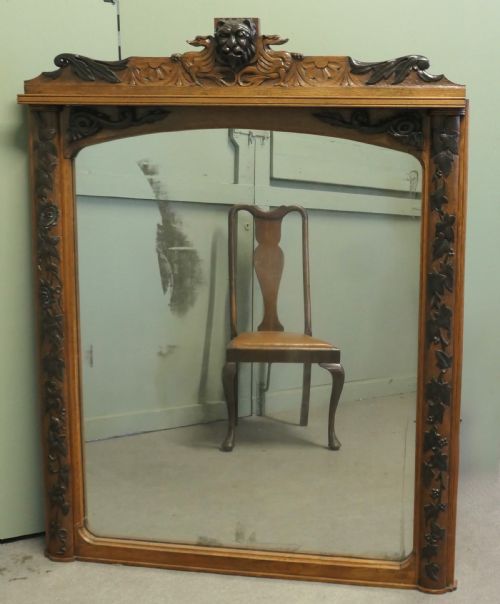
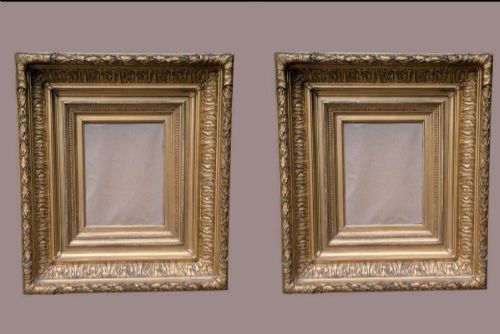
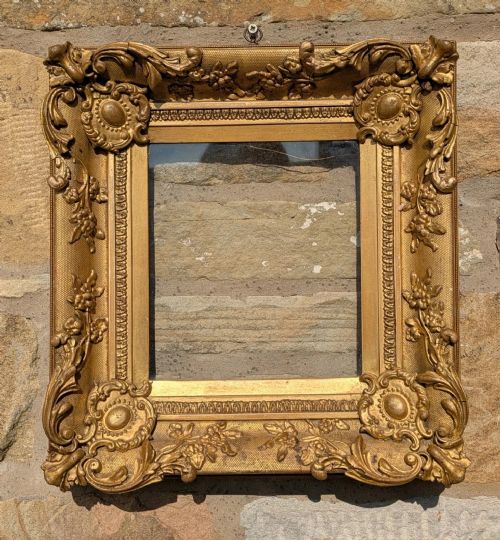
A heavy wood frame brings substance to walls, holding everything from large Victorian mirrors to deep picture frames and overmantles. You encounter substantial oak and giltwood structures most frequently here, originating largely from the nineteenth century and the Edwardian era.
The selection ranges from carved cushion frame mirrors to deep Victorian gilt picture frames and Renaissance-style wall art. These pieces were built to carry significant weight, often housing bevel-edged mirror glass or large canvases within robust wooden borders.
Materials and construction
Makers utilised solid timber such as oak for structural integrity, often pairing the natural grain with applied gesso and gold leaf for decorative effect. Gilt wood and giltwood surfaces were carefully prepared to receive metallic leaf, creating a luminous finish that contrasts with the dark wood beneath.
Carving was executed by hand directly into the timber or modelled in gesso layers built up over wooden substrates. Heavy joinery techniques ensured these deep profiles could support the substantial weight of large mirror glass and paintings without warping.
Heavy Wood Frame Retail Price Guide 2026
Typical asking prices for heavy wood frame among the pieces listed under this phrase on Sellingantiques today, from the lower quarter to the upper quarter. They describe what is for sale here now, not the wider market.
Quality and execution
Depth of carving and the crispness of moulded gesso details distinguish superior examples from simpler utilitarian borders. The quality of the gilding and the preservation of the original wood finish determine the visual impact of the piece.
Proportion and scale play a crucial role in valuation, as larger frames require precise engineering to maintain stability across extended spans. Superior pieces exhibit harmonious balance between the mass of the wood and the opening it surrounds.
The Heavy Wood Frame Glossary
- Gesso
- A plaster-like material applied to wood surfaces to create a smooth base for gilding or painting. It is often moulded into elaborate relief patterns on nineteenth-century frames.
- Giltwood
- Timber that has been coated with thin sheets of gold leaf. This finish catches the light and adds brightness to large wall mirrors.
- Cushion frame
- A framing style characterised by a rounded, convex profile that swells outwards from the wall. This form was particularly popular for oak mirrors.
- Pier glass
- A tall mirror designed specifically to hang on the wall space between windows. These pieces often feature heavy wooden or gilt frames to anchor the room.
- Overmantle
- A large mirror or frame built to sit directly above a fireplace mantelpiece. They command significant visual weight within period interiors.
Heavy Wood Frame: Frequently Asked Questions
How do I hang a heavy wood frame securely?
These substantial objects require heavy-duty fixings screwed directly into wall studs or masonry using appropriate wall plugs.
Weight distribution matters, so ensure the hanging wire or integrated brackets are rated well above the actual mass of the piece.
Are these frames suitable for modern art?
A substantial antique border provides a striking contrast when paired with contemporary canvases or minimalist photography. The deep profile adds architectural weight to simpler modern works.
Consider the scale of the artwork to ensure the heavy wood does not overpower the composition inside.
How should I clean a gilded wooden frame?
Dust gently with a very soft, dry brush to remove particulate matter without disturbing fragile gesso or gold leaf surfaces. Avoid using liquid cleaners or abrasive cloths.
Moisture can permanently damage historical gilt finishes and cause the underlying wood to swell.
What indicates a nineteenth-century origin?
Look for hand-carved joinery, traditional gesso application, and the presence of old mirror glass with minor foxing or imperfections. Nineteenth-century pieces typically utilise heavy oak or pine foundations.
Backboards constructed from single-width historical timber boards also point towards this period.