




Heavy Metal Scuttle
A heavy metal scuttle brings enduring utility and robust character to a fireside, offering a practical vessel for fuel while anchoring the room with solid period presence.
Heavy Metal Scuttle
When you search for heavy metal scuttle, you are looking at utilitarian hearth vessels designed to hold coal, logs, and kindling beside the fireplace. The selection spans the nineteenth century through the Art Deco era, encompassing Victorian, Arts and Crafts, and industrial forms.
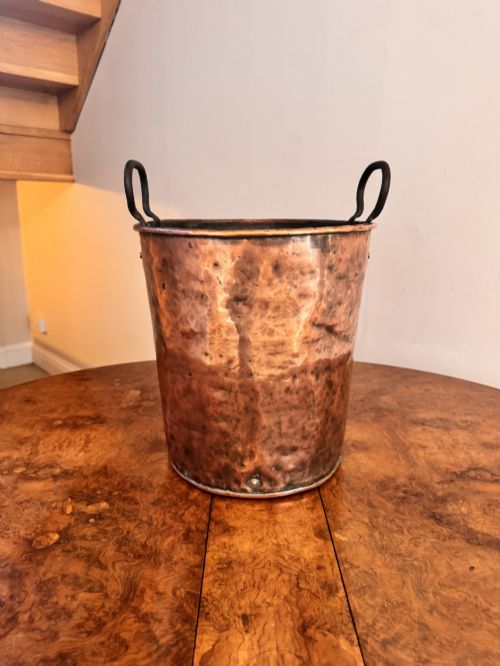
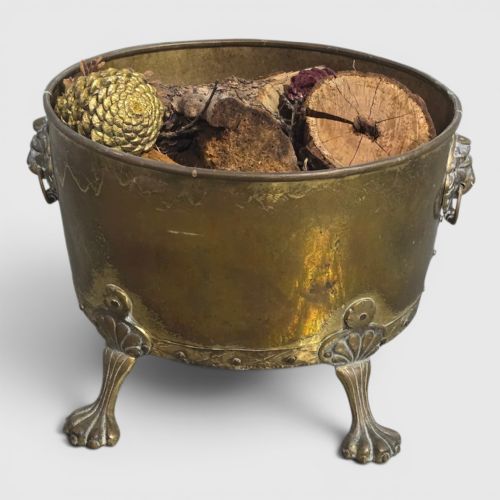
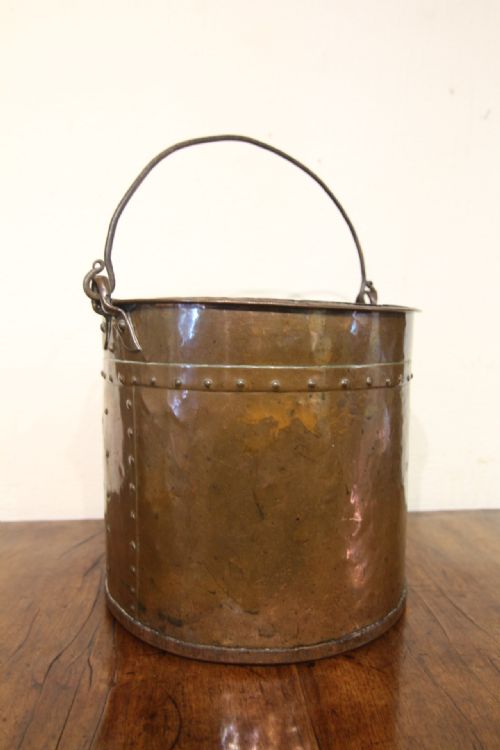
You are most likely to encounter robust copper and brass buckets, coal boxes, and bins across this page. Many examples feature riveted construction, swing handles in wrought iron, and distinct stylistic influences ranging from Victorian domestic utility to Arts and Crafts simplicity.
How they were made
These vessels are built primarily from sheet copper, heavy brass, cast iron, and wrought iron, often combined within a single piece for structural strength. Rivets secure the metal plates together, creating durable seams designed to withstand the daily weight of coal and logs.
Handles utilise forged wrought iron or shaped metal bars, attached securely to bear the load when full. Surface finishes include hammered dinanderie work, polished brass, and industrial patination developed over decades of use.
Heavy Metal Scuttle Retail Price Guide 2026
Typical asking prices for heavy metal scuttle among the pieces listed under this phrase on Sellingantiques today, from the lower quarter to the upper quarter. They describe what is for sale here now, not the wider market.
Listings feature copper, brass, iron, and galvanised steel across Victorian, Arts and Crafts, and industrial forms.
What varies in quality
Quality rests in the thickness of the metal gauge and the integrity of the riveted construction rather than mere surface shine. Thicker copper and brass resist denting and hold their structural form under heavy loads of fuel.
The refinement of the handle attachments and the balance of the vessel distinguish standard utilitarian containers from finer decorative examples. Articulation in the metalwork and hand-finished details elevate certain pieces above routine hearth accessories.
The Heavy Metal Scuttle Glossary
- Dinanderie
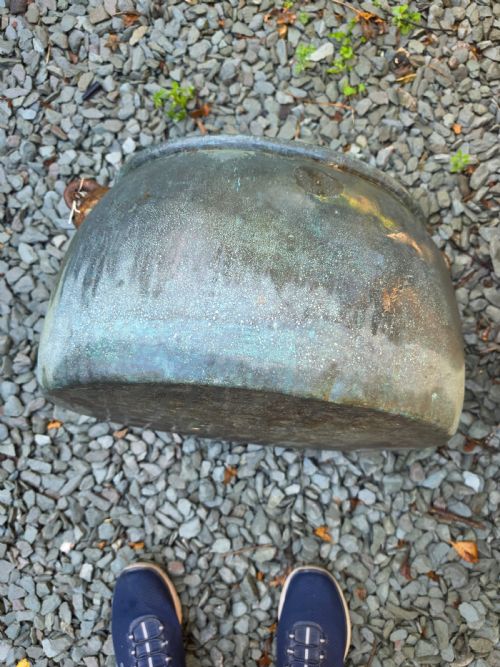
- Decorative brass and copperware produced in Europe, often featuring beaten or hammered surface patterns. This technique appears on decorative cauldrons and planters.
- Riveted
- Joined together using metal pins hammered flat to secure overlapping plates. This method provides both structural strength and a distinct visual border.
- Wrought iron
- Iron beaten into shape while hot by a blacksmith, yielding tough and fibrous metal. It is commonly utilised for swing handles and fittings.
- Coal helmet
- A traditional coal scuttle shaped with a flared lip resembling a classical helmet to pour fuel cleanly. They frequently appear in pairs or substantial single formats.
Heavy Metal Scuttle: Frequently Asked Questions
What is a heavy metal scuttle used for?
These vessels serve as practical containers for holding coal, logs, and kindling directly beside an open hearth or wood burner. Their robust construction handles the rough weight of solid fuel with ease.
Beyond pure utility, they function as decorative hearth accessories that anchor a fireplace setting with period metalwork and tactile warmth.
How do I clean an antique copper scuttle?
Maintenance depends entirely on the finish you prefer, ranging from gentle dusting to specialised metal creams. Many collectors choose to preserve the dark, aged patina rather than polishing the surface to a bright shine.
Avoid abrasive scouring pads that can scratch the soft copper or brass plates and remove historical surface character.
How can I tell a Victorian scuttle apart from a later piece?
Victorian examples often display heavy hand-riveted copper construction with substantial wrought iron swing handles and traditional domestic proportions. They prioritize functional heft and straightforward utility.
Later pieces from the Art Deco or Arts and Crafts periods introduce hammered dinanderie surfaces, geometric styling, and alternative manufacturing techniques.
Are these vessels waterproof for use as planters?
While many historical buckets and bins were originally designed to hold dry fuel, numerous metal examples accommodate plants successfully. You should check the integrity of the riveted seams and base before filling them with wet soil.
Using a modern plastic liner inside the vintage metal shell prevents moisture from sitting against the historical interior.