




Heavy Metal Coal Scuttle
These heavy metal coal scuttles are robust fireside vessels built to hold solid fuel, offering enduring utility and utilitarian charm for the hearth.
Heavy Metal Coal Scuttle
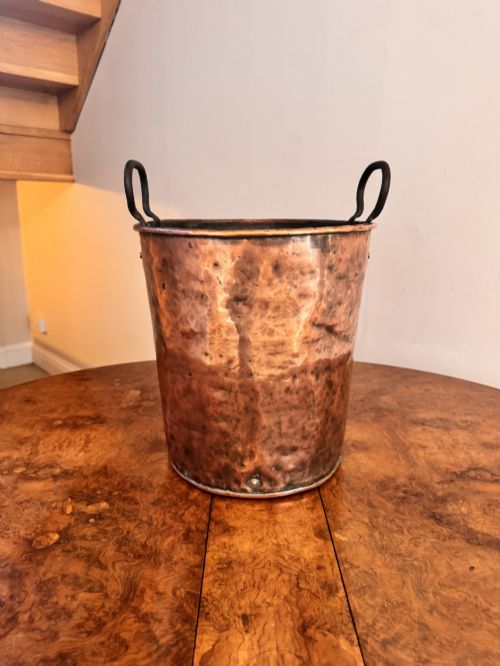
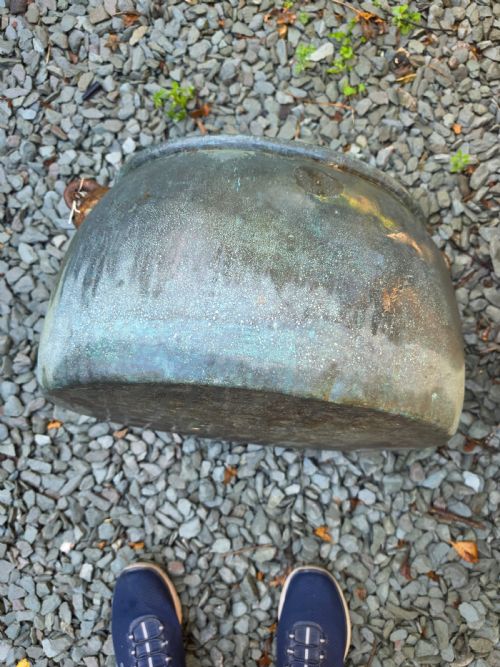
When you search for a heavy metal coal scuttle, you are looking at utilitarian hearth vessels designed to store and transport fuel. The examples seen here span from the nineteenth century into the twentieth century, taking forms such as coal boxes, log bins, buckets, and cauldrons.
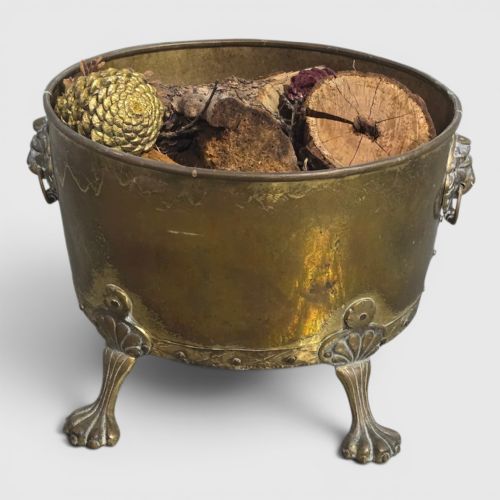
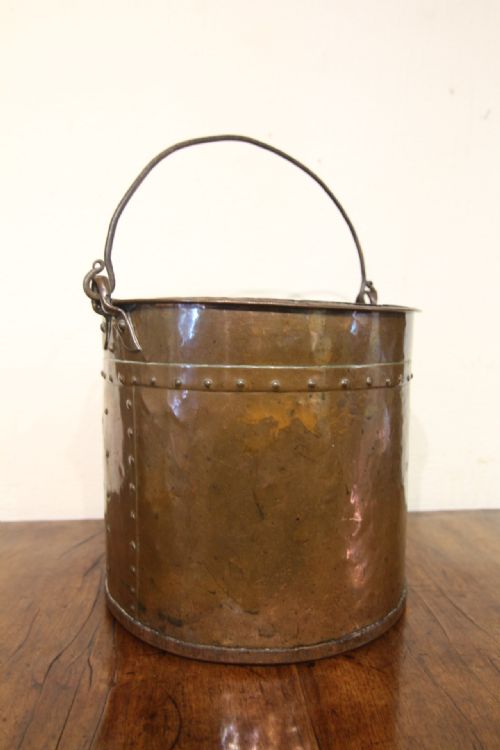
The versions you are most likely to meet on this page include Victorian copper buckets, heavy brass pails, and riveted designs. These pieces often cross over into fireside accessories and log bins, serving both practical fuel storage and decorative roles.
How they were made
Makers utilised durable metals including brass, copper, iron, wrought iron, and galvanised steel to construct these hardy vessels. Riveting is a prominent technique, joining heavy copper sheets and securing wrought iron handles for robust daily use.
Surface treatment and finishing range from the hammered dinanderie work on Art Deco cauldrons to plain industrial metal sheets. The combination of cast iron, brass, and copper components ensured the containers withstood the heavy weight of coal and logs.
Heavy Metal Coal Scuttle Retail Price Guide 2026
Typical asking prices for heavy metal coal scuttle among the pieces listed under this phrase on Sellingantiques today, from the lower quarter to the upper quarter. They describe what is for sale here now, not the wider market.
Some industrial measures cross over into domestic life, proving that a humble bucket can happily transition from heavy toil to holding logs.
What varies in quality
The distinction between standard utility items and finer examples lies in the weight of the metal and the integrity of construction. Heavy gauge copper and brass combined with secure riveting demonstrate superior production standards compared to lighter sheet metal.
Design detail also separates standard containers from decorative statement pieces, such as Arts and Crafts coal boxes or dinanderie planters. The balance between rugged industrial utility and refined decorative finishing defines the upper range of these vessels.
The Heavy Metal Coal Scuttle Glossary
- Coal scuttle
- A container specifically shaped for carrying coal to a fireplace. These vessels typically feature a wide mouth and a sturdy handle for pouring.
- Dinanderie
- An object made of brass, copper, or other non-ferrous metals, often ornamented with hammered designs. This technique adds decorative texture to utilitarian vessels.
- Wrought iron
- Iron that has been heated and shaped with hand tools by a blacksmith. It is frequently utilised for durable handles and structural reinforcements on metal buckets.
- Arts and Crafts
- A design movement valuing traditional craftsmanship and honest materials. Pieces from this style often display visible construction details like riveted seams.
Heavy Metal Coal Scuttle: Frequently Asked Questions
What is a heavy metal coal scuttle?
A heavy metal coal scuttle is a robust container built from materials like brass, copper, and iron to store and carry solid fuel for a fireplace. These vessels were essential household items designed to handle the heavy weight of coal and logs.
Over time, many of these utilitarian containers have transitioned into decorative fireside accessories or log bins. Their solid construction ensures they remain functional vessels for modern homes.
How do I date a copper coal bucket?
Dating a copper coal bucket involves examining construction methods, such as hand-riveting techniques, and stylistic markers associated with periods like the Victorian era or the Arts and Crafts movement. Heavy gauge metals and specific handle attachments often point to nineteenth or early twentieth-century manufacturing.
Makers frequently utilised distinct forms, moving from plain industrial measures to decorative dinanderie work by the Art Deco period. Comparing the weight, materials, and stylistic details helps narrow down the decade of production.
Can I use these for logs instead of coal?
You can readily utilise these metal vessels for logs, as many examples are catalogued as log bins, log buckets, or planters. Their generous proportions and sturdy construction make them ideal for holding firewood near the hearth.
Using them for logs adds a practical element to your living space while displaying the aged patina of the metal. Ensure the interior is dry and clean before stacking wood inside.
How do I care for antique brass and copper?
Caring for antique brass and copper primarily involves dusting the surface with a soft cloth to preserve the accumulated patina. Aggressive cleaning can strip away the historical character that collectors appreciate on older metalwork.
If cleaning is necessary, use a mild, non-abrasive cleaner suitable for historical metals. Keeping the vessels dry prevents oxidation and maintains the structural integrity of the iron handles.