

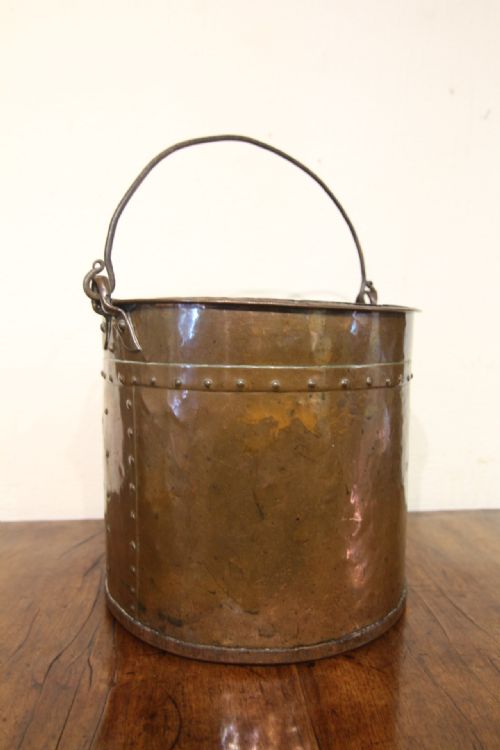


Heavy Metal Basket
These heavy metal baskets and vessels offer rugged utility and warmth, bringing enduring character and robust industrial charm into the home.
Heavy Metal Basket
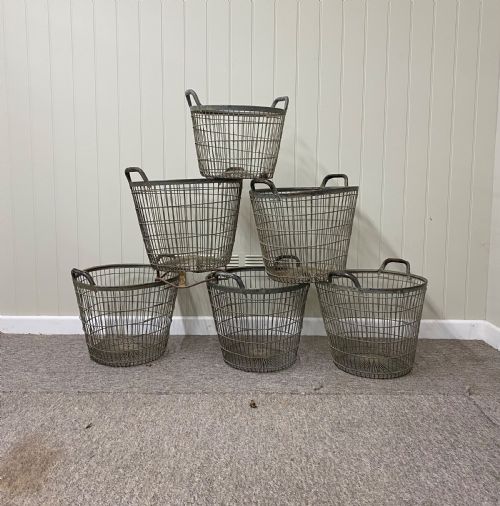
When you search for a heavy metal basket, you encounter substantial utilitarian vessels and containers primarily fashioned from copper, iron, and brass. These sturdy objects originated as functional pieces for the kitchen, hearth, or dairy.
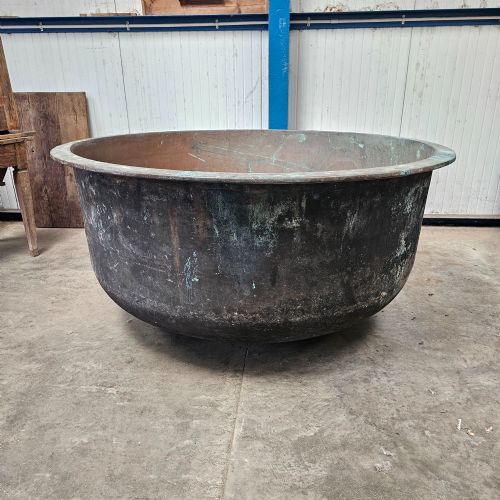
The pieces on this page span the Georgian, Victorian, and Art Deco periods, alongside rustic farmhouse and provincial styles. You are most likely to meet large copper log bins, cauldrons, and planters featuring robust wrought iron handles.
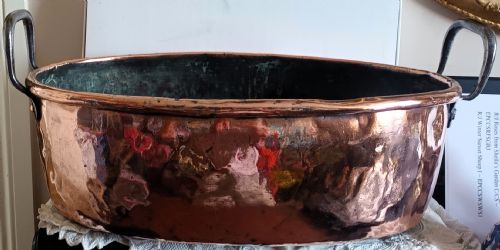
Forms range from deep cooking vessels and coal helmets to cheese vats and cream setting pans. Each item combines industrial utility with domestic storage, serving equally well beside a fireplace or within a garden.
Materials and construction
These items rely heavily on sheet copper and cast or wrought iron, materials chosen for their exceptional durability and thermal qualities. Metalworkers shaped heavy copper sheets manually, joining the seams with visible rivets to ensure structural integrity under heavy loads.
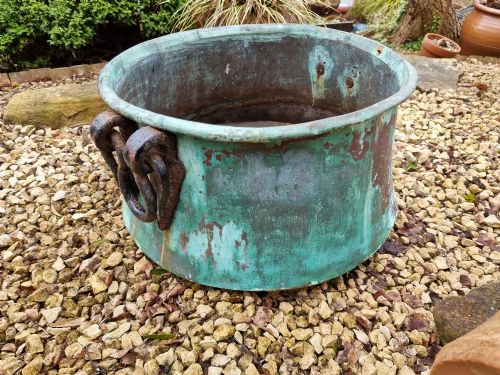
Handles and swing bails were forged from iron and securely attached to the main body with reinforced brackets or bands. Many surfaces retain their natural verdigris finish or show the hammer marks left by the maker during the shaping process.
Heavy Metal Basket Retail Price Guide 2026
Typical asking prices for heavy metal basket among the pieces listed under this phrase on Sellingantiques today, from the lower quarter to the upper quarter. They describe what is for sale here now, not the wider market.
Assessing quality and proportion
Quality in these heavy metal vessels rests upon the thickness of the metal gauge and the integrity of the riveted construction. Heavier copper walls and robustly forged iron handles indicate superior utility and longevity.
Proportion and scale also distinguish finer examples, particularly in larger log bins and cauldrons where balanced form matters as much as capacity. The presence of authentic period elements, such as original wrought iron swing handles and undisturbed surface patination, elevates the piece.
The Heavy Metal Basket Glossary
- Verdigris
- A green patina or crust that forms naturally on copper, brass, or bronze through atmospheric weathering over long periods. This chemical layer protects the underlying metal and provides historical visual depth.
- Dinanderie
- An Art Deco term describing objects made of beaten or worked brass and copper. This technique highlights the artisanal skill involved in shaping sheet metal into decorative vessels.
- Coal helmet
- A traditional coal scuttle shaped with a flared hood resembling a classical helmet. These nineteenth-century containers held fuel close to the fireplace.
- Cauldron
- A large deep metal pot with a swing handle used historically for open-fire cooking or boiling. In later periods, makers adapted these sturdy vessels into planters and log bins.
Heavy Metal Basket: Frequently Asked Questions
How do I clean a copper vessel?
Maintenance depends entirely on whether you prefer a bright polished shine or the dark, undisturbed patination accumulated over centuries. Many collectors choose to leave the natural verdigris and aged surface untouched.
If you prefer cleaning, use a mild non-abrasive cream designed specifically for copper. Avoid harsh scouring pads that can scratch the soft metal and remove historical evidence of hand-working.
Can I use these baskets outdoors?
Most of these heavy copper and iron pieces function remarkably well as garden planters or patio log bins. Their robust metal construction withstands outdoor conditions without losing structural integrity.
Exposure to moisture will naturally accelerate the formation of verdigris on copper surfaces. This process enhances the antique character rather than harming the material.
How do I tell Georgian copper from Victorian?
Georgian copper pieces, often dating from around eighteen hundred, frequently display simpler, more utilitarian forms such as cream setting pans and cooking vessels. Their construction relies on hand-beaten techniques and early riveted joints.
Victorian items, spanning the nineteenth century, often introduce more decorative domestic forms like coal helmets and heavy log bins. These later pieces sometimes feature standardised rolled rims and heavier cast attachments.