

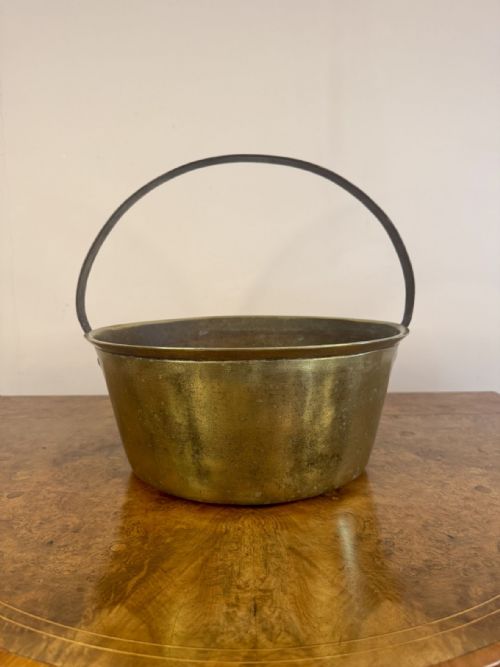
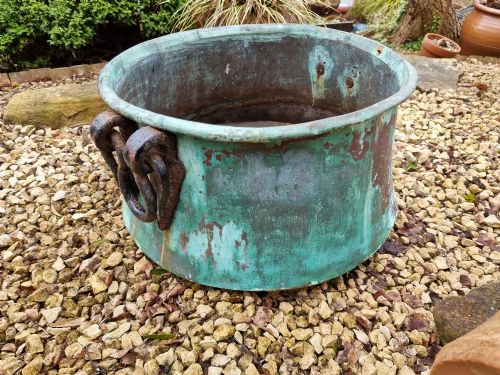
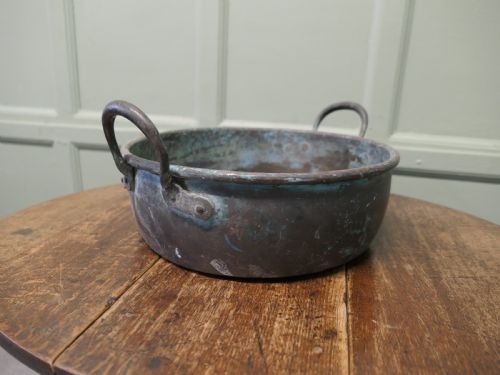
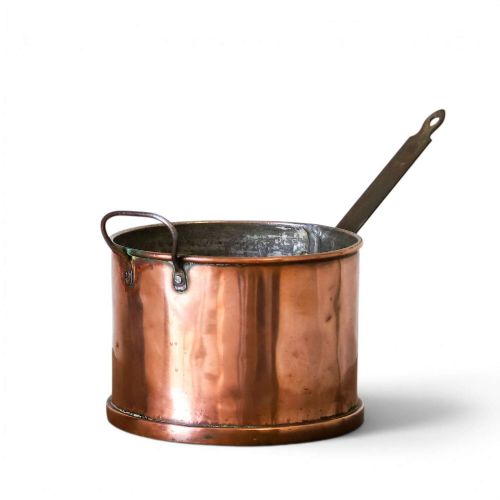


Heavy Iron Pot
A heavy iron pot is a rugged piece of utilitarian cookware or garden ware built to endure centuries of service.
Heavy Iron Pot
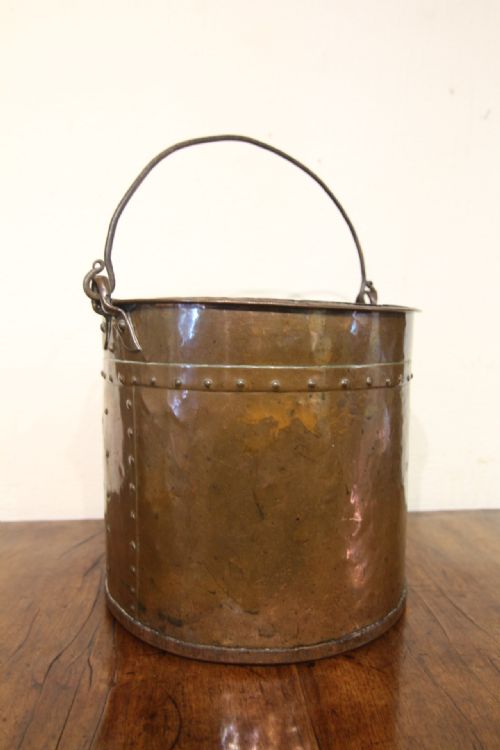
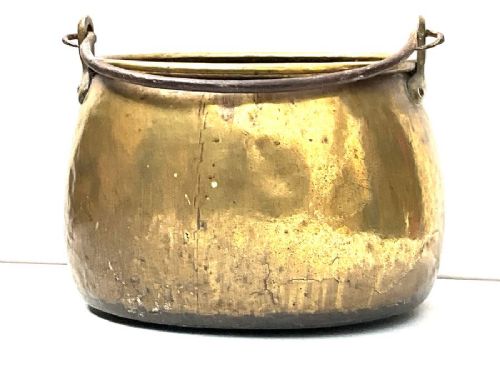
When you search for a heavy iron pot, you encounter robust vessels designed for kitchen utility or garden display. The evidence shows these utilitarian items appearing in cast iron, alongside mixed material pieces pairing copper or brass with iron handles.
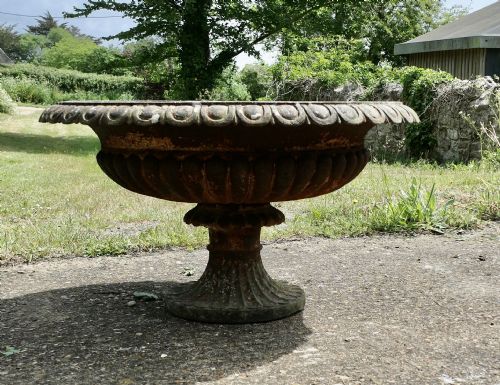
Most examples originate from the Georgian and Victorian eras, or the nineteenth century more broadly, taking forms such as cauldrons, garden urns, and planters. These pieces span rustic farmhouse origins to more formal classical revival styles.
Beyond culinary cookware, the selections include large garden planters and pots intended for exterior placement. These heavy vessels bring substantial weight and industrial or rustic character to interior and exterior spaces alike.
What varies in quality
The standard of a piece rests upon the weight of the metal gauge and the integrity of its construction. Heavy casting thickness in iron pots and substantial metal thickness in copper pans dictate longevity and structural preservation.
Detailing in handles, rivets, and surface finishes separates utilitarian production from finer workshop execution. Original pairings of iron handles with copper or brass bodies demonstrate superior craftsmanship and material pairing.
Heavy Iron Pot Retail Price Guide 2026
Typical asking prices for heavy iron pot among the pieces listed under this phrase on Sellingantiques today, from the lower quarter to the upper quarter. They describe what is for sale here now, not the wider market.
Listings demonstrate that heavy pots and pans combine cast iron, wrought iron, copper, and brass across Georgian and Victorian periods.
Hodges & Sons·Liptons
The Heavy Iron Pot Glossary
- Cast iron
- Iron poured in a molten state into a sand mould to create rigid, heavy vessels. This material provides the substantial weight and durability characteristic of traditional cauldrons and garden urns.
- Wrought iron
- Iron heated and worked by hand with a hammer to form structural elements like handles and bails. It offers fibrous strength and flexibility compared to brittle cast metal.
- Verdigris
- A green patina formed naturally on copper or brass through atmospheric oxidation over long periods. Collectors often value this stable surface finish for its authentic antique appearance.
- Cauldron
- A large deep pot with a swing handle, traditionally used over open fires for boiling and cooking. These heavy vessels frequently feature robust iron handles attached to copper bodies.
- Garden urn
- An ornamental vase-shaped planter cast in iron for exterior display on lawns or terraces. These pieces often exhibit classical revival styling suited to nineteenth-century landscape design.
Heavy Iron Pot: Frequently Asked Questions
What were heavy iron pots used for?
These robust vessels served primarily in kitchens for boiling, stewing, and bulk food preparation over open hearths or ranges. Their thick walls retained heat efficiently for extended cooking tasks.
Larger variants functioned as wash coppers for heating water or as sturdy containers in domestic workspaces. Over time, many durable iron and metal pots transitioned into garden settings as planters and urns.
How do I clean a cast iron pot?
Maintenance requires gentle washing with warm water and thorough drying to prevent oxidation on exposed iron surfaces. Avoid harsh detergents that strip protective seasoning.
Applying a light coating of oil after drying helps preserve the metal and maintains the dark finish. Storing the pot in a dry environment prevents moisture accumulation.
How do I date a heavy metal pot?
Dating relies on manufacturing techniques, material composition, and stylistic cues recorded in nineteenth-century and Georgian pieces. Hand-beated construction, wrought iron attachments, and specific handle shapes offer key chronological indicators.
Maker stamps or marks provide direct evidence of origin when present on the metal surface. Comparing the form against established Victorian or Georgian typologies narrows the production era.
Can these old pots still be used for cooking?
Many antique iron and copper pots remain structurally sound for culinary use, provided the interior surfaces are properly maintained. Copper vessels often require checking to ensure safe interior linings remain intact.
Cast iron pieces benefit from re-seasoning before culinary deployment to restore a non-stick cooking surface. Assessing the weight and wall integrity ensures the vessel handles heat safely.