

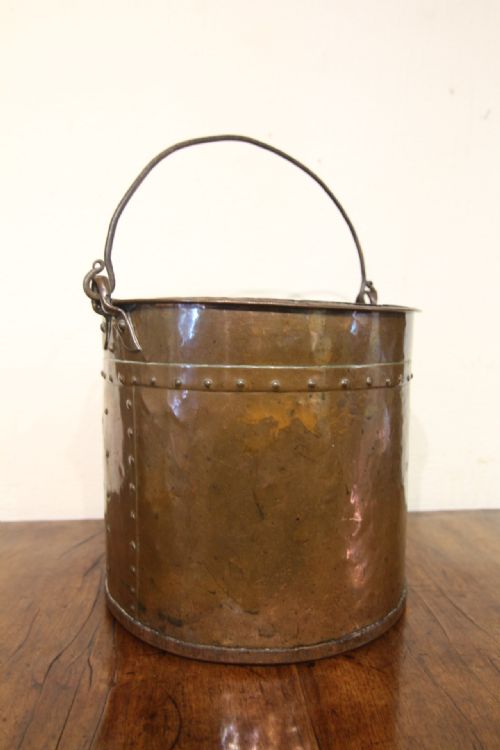
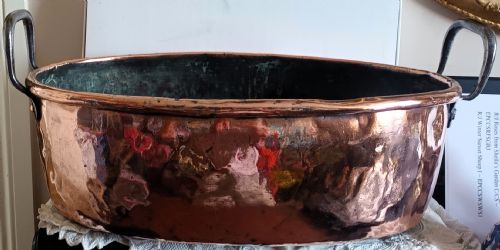


Heavy Iron Planter
These heavy iron planter options bring genuine substance to a garden, offering the weight and durability needed to anchor historic outdoor spaces.
Heavy Iron Planter
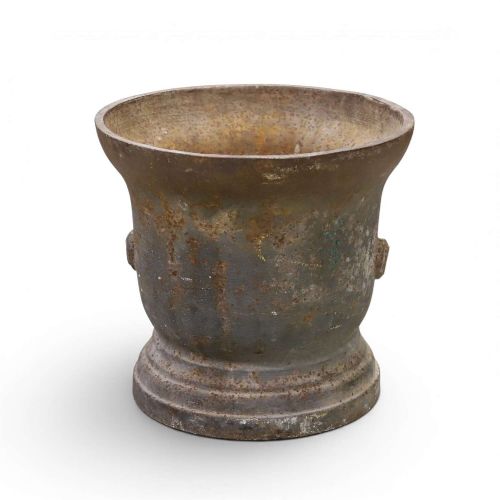
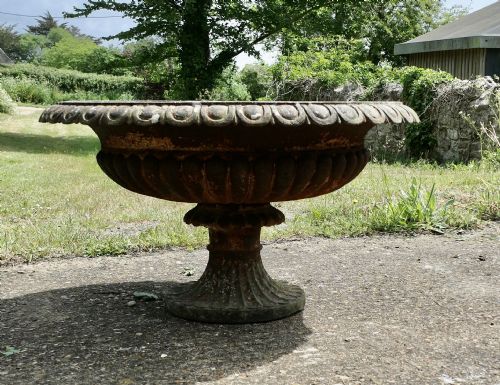
A heavy iron planter provides a solid structural presence for outdoor settings, drawing on garden urns, jardiniere designs, and utilitarian vessels. Buyers searching for a heavy iron planter will encounter robust cast iron vessels originating from the nineteenth century alongside later twentieth-century iterations.
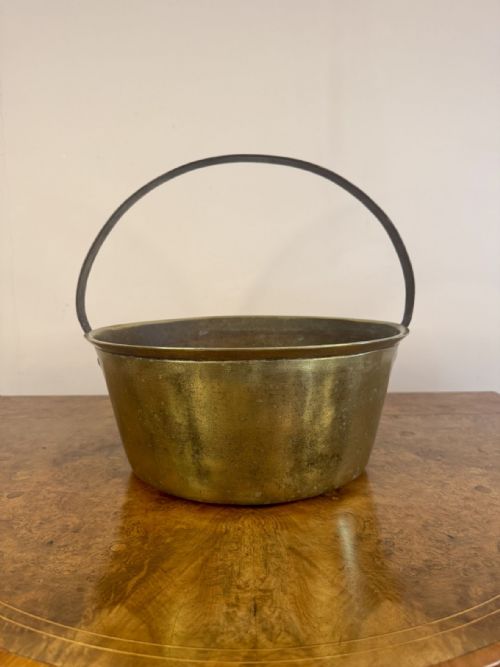
The forms span classical garden urns and simpler pots designed to hold substantial flora. Many examples combine cast iron bodies with sturdy wrought iron handles or stands, connecting functional kitchenware and garden hardware from Georgian and Victorian periods.
Materials and construction methods
Production relies primarily on cast iron and wrought iron, occasionally paired with copper or brass elements and wooden details like oak and hardwood. Foundry casting techniques created thick-walled urns and pots capable of withstanding heavy loads and exterior weathering.
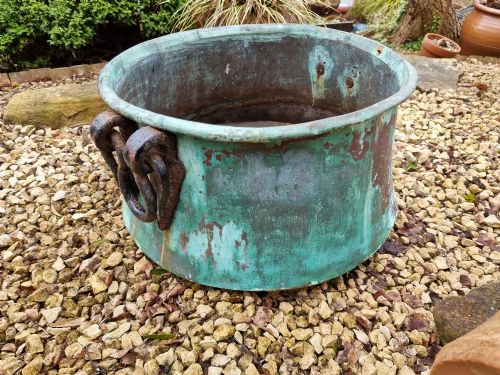
Wrought iron components were hand-forged to form sturdy handles and stands, attaching securely to the main vessel bodies. Surface treatments range from painted finishes to natural verdigris accumulated over decades of exposure.
Heavy Iron Planter Retail Price Guide 2026
Typical asking prices for heavy iron planter among the pieces listed under this phrase on Sellingantiques today, from the lower quarter to the upper quarter. They describe what is for sale here now, not the wider market.
The listings span multiple centuries, uniting 19th-century cast iron urns with Georgian well buckets and Edwardian pot stands.
Distinctions in quality
Quality rests in the thickness of the metal casting and the crispness of decorative mouldings on urns and planters. Superior examples display balanced proportions, clean casting seams, and integrated structural elements that show deliberate workshop execution.
The integrity of the material determines longevity, with sound metal surfaces and original forged hardware separating finer vessels from utilitarian counterparts. Patina depth and the preservation of original paint layers also influence the character of each piece.
The Heavy Iron Planter Glossary
- Cast iron
- A strong, hard alloy of iron and carbon produced by pouring molten metal into a mould. This method allowed makers to create thick garden urns with detailed surface decoration.
- Wrought iron
- Tough, malleable iron beaten into shape by hand, frequently utilised for handles and structural stands. It provides high resistance to breaking under heavy loads.
- Verdigris
- A green patina formed naturally on copper, brass, or iron through atmospheric exposure over many years. This chemical layer often protects the underlying metal.
- Jardiniere
- An ornamental pot or stand designed specifically to hold flowering plants or greenery. These vessels appear frequently in classical garden contexts.
Heavy Iron Planter: Frequently Asked Questions
How do I clean a cast iron planter?
Wash the surface gently with water and a soft brush to remove dirt without damaging the protective outer layer. Avoid harsh chemical cleaners that strip away historic finishes or accelerated patina.
Dry the metal thoroughly if storing indoors, though exterior garden pieces tolerate normal weathering well once seasoned.
Can these planters stay outside all winter?
Cast iron handles freezing temperatures effectively due to its substantial thickness and structural mass. Ensure adequate drainage holes remain clear so expanding ice does not crack the vessel.
Elevate pots slightly off damp ground using bricks or feet to prevent moisture retention underneath the base.
How do I identify a Victorian urn?
Victorian examples typically feature classical revival motifs, heavier casting proportions, and specific surface textures associated with nineteenth-century foundries. Look for bolted construction joints and hand-finished details characteristic of the era.
Matching pairs from this period often display subtle individual variations resulting from traditional sand-casting methods.
What is the difference between an urn and a planter?
An urn usually stands on a distinct pedestal base with classical decorative elements like fluting or handles. Planters tend to have simpler, straighter sides intended directly for planting foliage.
Both serve similar garden functions, though urns lean towards formal architectural display.