



Heavy Door Wedge
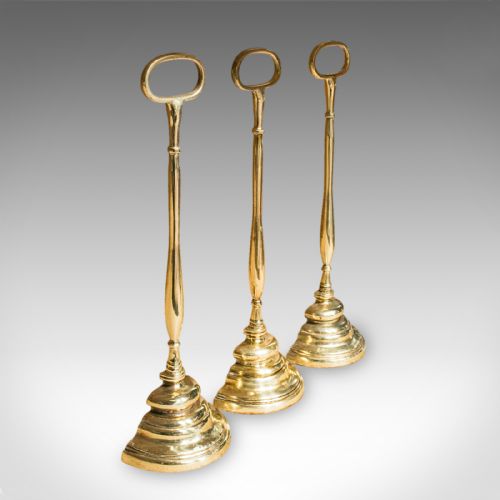
These heavy door wedges are functional brass, bronze and cast iron stops designed to hold open heavy interior doors.
Heavy Door Wedge
A heavy door wedge serves as a practical door keeper, designed with sufficient weight to hold open interior doors against drafts. When you search for heavy door wedge, you encounter cast iron, brass, and bronze weights produced across the Victorian, Edwardian, and Regency periods.
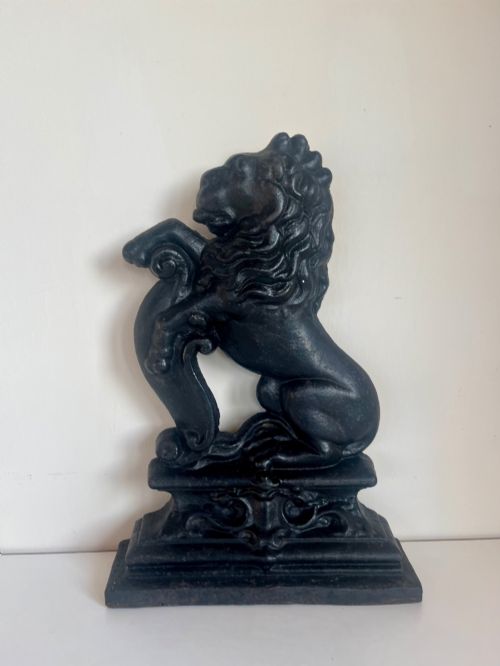
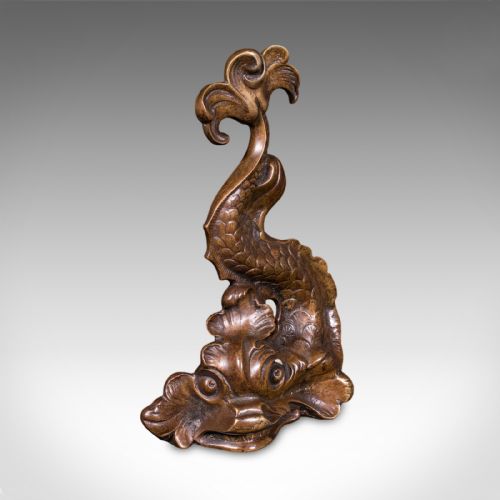
The forms span figurative and utilitarian designs, including lions, mythical dolphins, Mr Punch characters, ploughmen, dogs, and fox heads. Pieces originate from English workshops, reflecting traditional country house and farmhouse utility.
Victorian and Edwardian examples dominate the selection, alongside earlier Regency designs such as bronze door keepers from around eighteen hundred and twenty. These objects combine domestic function with sculptural modelling in cast metal.
How they were made
Metalworking techniques rely on casting in iron, brass, and bronze to achieve the solid weight required for a door stop. Founders poured molten metal into moulds to create detailed figures like rampant lions, dogs, and Mr Punch.
Heavy Door Wedge Retail Price Guide 2026
Typical asking prices for heavy door wedge among the pieces listed under this phrase on Sellingantiques today, from the lower quarter to the upper quarter. They describe what is for sale here now, not the wider market.
Mr Punch keeps company with rampant lions and mythical dolphins on the floor.
What varies in quality
Heavier gauges of metal and substantial proportions distinguish the more substantial door keepers from simpler utilitarian wedges. The integrity of the material and the sophistication of the Regency or Victorian design dictate the standing of each piece.
The Heavy Door Wedge Glossary
- Cast Iron
- An iron-carbon alloy poured into moulds to form heavy shapes. This material provides the substantial weight needed for nineteenth-century door stops.
- Door Keeper
- An alternative term for a heavy door wedge or doorstop. These objects secure doors in an open position.
- Regency
- An English design period spanning the early nineteenth century. Pieces from this era often utilise bronze and refined classical motifs.
- Figurative
- Representing human or animal forms such as lions, dogs, and Mr Punch. These designs add decorative character to utility items.
Heavy Door Wedge: Frequently Asked Questions
What is a heavy door wedge?
A heavy door wedge is a solid metal object used to hold doors open against drafts. They are typically cast in iron, brass, or bronze.
These pieces often feature figurative designs such as animals or characters, combining practical utility with decorative appeal.
How do I date a cast iron door stop?
Dating relies on stylistic markers from periods such as the Victorian and Edwardian eras, along with construction methods. Design motifs like Mr Punch or heraldic animals offer clues to the manufacturing decade.
Material choices also indicate age, with heavy bronze often pointing to Regency origins and cast iron characteristic of the later nineteenth century.
Are these door stops solid metal?
These pieces are made from solid cast metals including iron, brass, and bronze to ensure adequate weight. This heavy construction prevents the door from moving.
Solid casting gives each piece durability for daily use in domestic settings.
Where were these pieces made?
Many of these door stops originate from English workshops and foundries active during the nineteenth and early twentieth centuries. They reflect the material culture of English country houses and farmhouses.
Production methods utilised regional metalworking traditions to supply functional hardware for heavy interior doors.